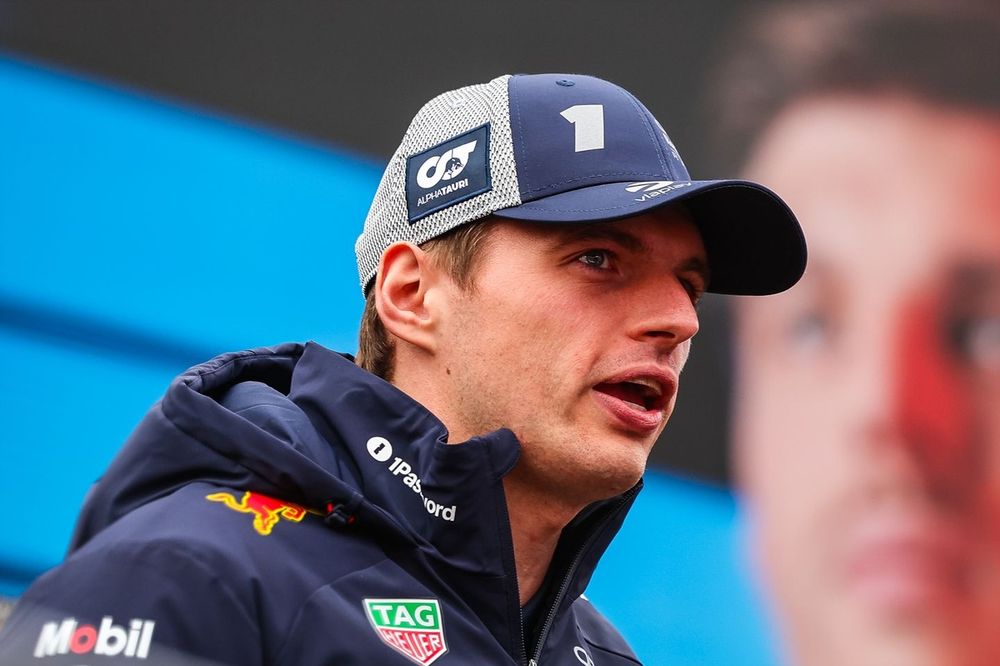
FIA Responds to Driver Complaints About F1 Car Discomfort
Max Verstappen, Fernando Alonso, and George Russell have heavily criticized the physical toll of current F1 cars, with Verstappen reporting severe back and foot pain. The FIA acknowledges these unexpected ergonomic issues, primarily due to stiff, low-riding ground-effect designs. Officials are hopeful the 2026 regulations will naturally lead to softer car setups and higher ride heights, alleviating driver discomfort, though they remain cautiously optimistic about future outcomes.
Max Verstappen, Fernando Alonso, and George Russell have voiced strong dissatisfaction with the physical demands of the current generation of F1 cars, with Verstappen stating his 'back is falling apart.' The FIA acknowledges that the unexpected stiffness and low ride height of these ground-effect machines have created unforeseen physical strain on drivers, but anticipates improvements with the 2026 regulations.
Why it matters:
After several seasons of porpoising and extreme car setups, driver well-being has become a significant concern. The physical toll on athletes like Verstappen, who are at the peak of their careers, highlights a critical issue in modern F1 car design. Addressing these ergonomic challenges is vital not only for driver health but also for maintaining the sport's appeal and ensuring competitive racing without undue physical burden.
The details:
- Driver Discomfort: Max Verstappen, along with Fernando Alonso and George Russell, have openly stated they will not miss the current F1 car generation due to physical discomfort. Verstappen explicitly mentioned his 'whole back is falling apart' and constant foot pain.
- Root Cause: The ground-effect cars require extremely low ride heights and very stiff setups to maximize underfloor negative pressure. These design choices, while performance-enhancing, lead to significant physical demands on drivers, even after initial porpoising issues were mitigated.
- FIA's Acknowledgment: FIA single-seater director Nikolas Tombazis admitted that the extent of cars running 'very low and very stiff' was 'not anticipated' when the current regulations were drafted.
- 2026 Regulations Hope: Tombazis expects the 2026 aerodynamics to naturally favor a slightly higher optimum ride height. This, combined with a projected softer overall car setup for mechanical grip, should reduce the physical strain on drivers.
- Team Adaptability: Mercedes deputy technical director Simone Resta noted that teams have historically learned to adapt and resolve unexpected issues quickly, citing the early 2022 porpoising problems as an example. He expects teams to address any new challenges arising from the 2026 regulations effectively.
What's next:
While the FIA is optimistic about the physical demands of the 2026 cars, they remain cautious, acknowledging that unforeseen issues can always arise, as with the original porpoising phenomenon. The true impact of the new regulations on driver comfort will only become clear once the cars hit the track. However, the explicit focus on reducing physical strain suggests a more driver-friendly future for Formula 1. Teams will continue to refine designs, aiming for a balance between extreme performance and driver well-being.