FIA Reveals It 'Tried' to Fix F1's Dirty Air Problem Mid-Cycle, Lacked Team Support
The FIA admits it attempted to tweak F1's current rules to reduce aerodynamic turbulence ('dirty air') but was blocked by a lack of team support. Officials gave the 2022-2025 ground-effect era a 'B or C' grade, praising the cost cap but noting teams exploited regulatory weaknesses, harming close racing.
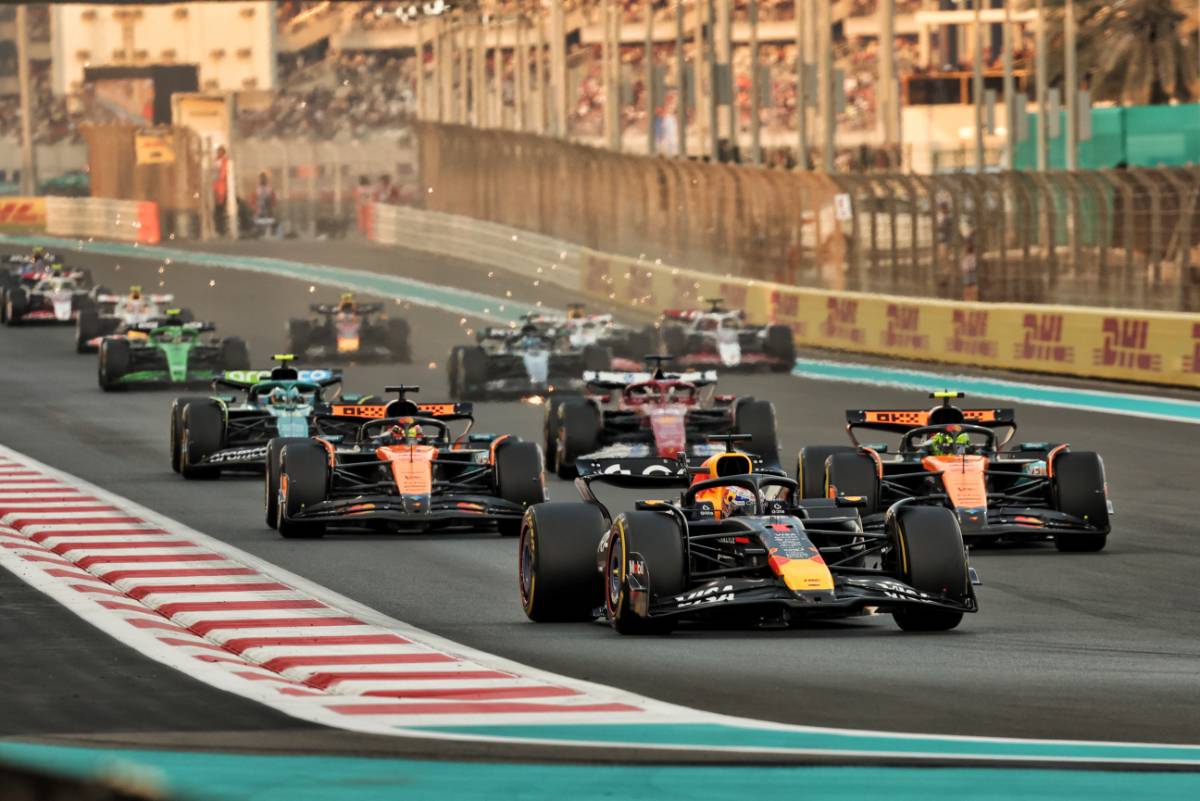
The FIA considered intervening to curb the return of 'dirty air' during Formula 1's current ground-effect era but ultimately stopped short of making changes due to a lack of support from the teams. As the 2025 season concludes this regulatory cycle, the governing body acknowledges the rules delivered mixed results in improving racing.
Why it matters:
The core promise of the 2022 technical revolution was to allow cars to follow more closely and improve overtaking. The FIA's admission that teams exploited regulatory 'gray areas' to reintroduce aerodynamic turbulence undermines that goal and highlights the ongoing challenge of balancing innovation with raceability. The inability to secure consensus for a mid-cycle fix also exposes the political hurdles in governing the sport.
The details:
Nikolas Tombazis, the FIA’s single-seaters director, offered a candid report card on the 2022-2025 regulations.
- Overall Grade: Tombazis gave the era a "B or a C," citing significant progress but not total success.
- Financial Success: He highlighted the cost cap as an undeniable success, stating the sport "cannot even imagine not having the financial regulations now."
- Racing Regression: While cars in 2022 and 2023 could race more closely, subsequent development saw teams stretch the rules. Tombazis identified three key areas where designs created outwash, worsening the 'dirty air' problem for following cars:
- Front Wing Endplates: Intended to be inwashing devices, their design rules were "not tight enough," leading to outwashing profiles.
- Front Wheel Drum Design: The furniture on the inside of the front wheels was heavily exploited.
- Floor Edges: The edges of the floor also became a performance area that hurt raceability.
Between the lines:
The most revealing insight is why the FIA didn't act sooner. Tombazis confirmed the issues were known "two years ago" and that the FIA "tried" to change the rules mid-cycle. However, changing regulations during an active cycle requires governance approval and "a large number of teams need to support certain changes." This consensus was not achieved, leaving the problem to fester until the next major rules reset in 2026.
What's next:
Attention now turns to the 2026 regulations, with the FIA hoping lessons learned will lead to a more raceable formula. Tombazis expressed cautious optimism, stating, "The outwash, we obviously believe that it will be better, but let's have this discussion in two years." The effectiveness of these new rules in finally solving F1's perennial dirty air challenge will be the true test of this regulatory reflection.