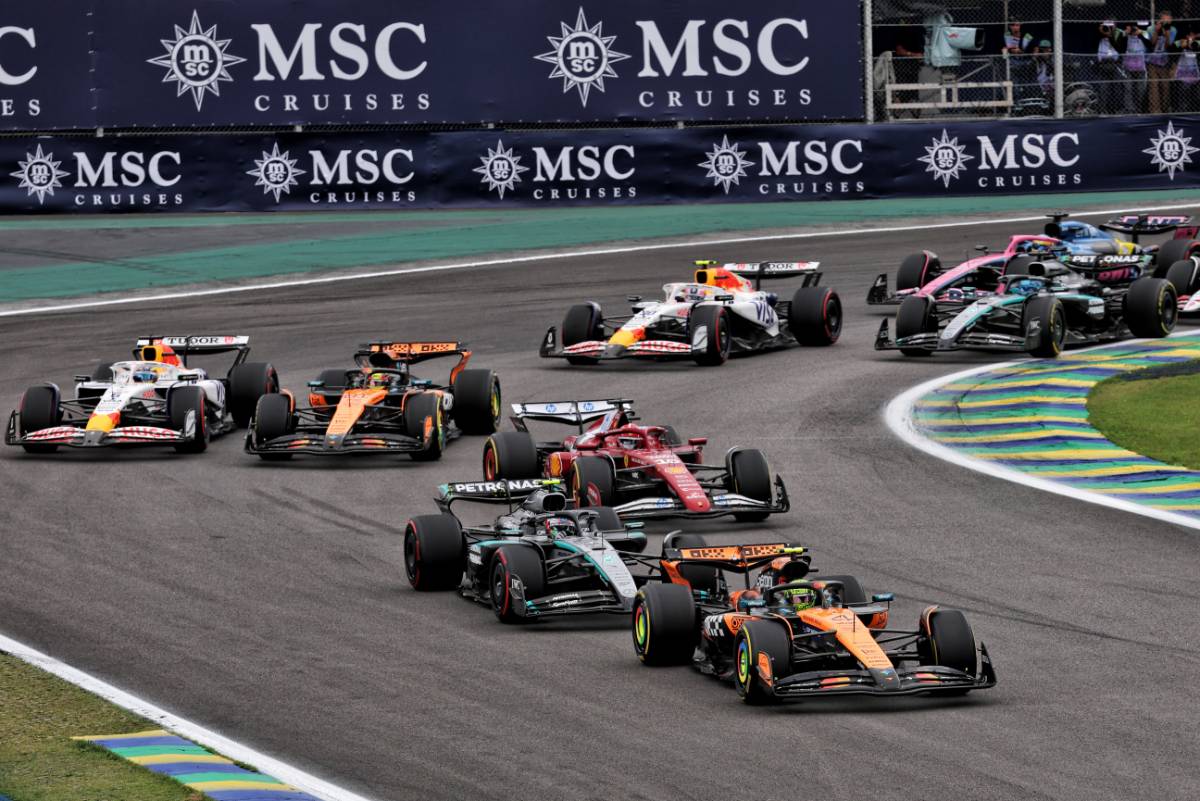
FIA's Tombazis on Why 2026 F1 Regulations Promise 'More Exciting Racing'
FIA's Nikolas Tombazis details how the 2026 Formula 1 regulations are engineered for "more exciting racing." Key changes include vastly improved car-following capabilities due to cleaner aerodynamics, the replacement of DRS with active aero and a manual override electric boost for overtaking, and a greater strategic emphasis on energy management. These innovations aim to make racing more unpredictable and thrilling.
Formula 1's upcoming 2026 regulation reset is poised to bring significant changes, including lighter cars, smarter aerodynamics, and enhanced hybrid power. However, FIA single-seater director Nikolas Tombazis emphasizes that the core objective is to deliver "more exciting racing" by fundamentally improving how cars battle on track.
Why it matters:
After years of fine-tuning, the FIA believes the 2026 ruleset will drastically improve close-quarters racing, a key metric for fan engagement. By addressing issues like dirty air and introducing innovative overtaking tools, F1 aims to create a more unpredictable and thrilling spectacle, ensuring the sport remains at the pinnacle of motorsport entertainment.
The details:
- Cleaner Wake, Closer Following: Tombazis highlights that the 2026 cars are designed to have significantly improved wake characteristics, allowing cars to follow each other much more closely than the current generation.
- He notes that the loss of downforce at 20 meters behind a car, which started at 80-85% for 2022 cars and has decayed to around 70% currently, is projected to be around 90% with the new regulations. This represents a substantial improvement over previous eras.
- Active Aero and Manual Override: Traditional DRS will be replaced by a dual-wing active aerodynamic system. Crucially, a new "manual override" mode will give trailing drivers an electric energy boost, serving as a dynamic overtaking tool instead of a simple rear wing flap opening.
- Tombazis believes this shift will introduce greater unpredictability and strategic depth to overtaking maneuvers.
- Strategic Energy Management: The power units will feature a larger electric component, making energy deployment a critical strategic factor. Red Bull chief engineer Paul Monaghan suggests that varying energy usage could lead to greater performance spread and more feasible overtakes, even between cars with identical engines.
- Uncertainty and Reliability: Monaghan also points to the inherent unpredictability of entirely new cars and electronics. While the aim is better racing, the initial season could see increased variability in performance and reliability issues as teams adapt to the radical changes.
What's next:
The 2026 season is still some way off, but the FIA's vision suggests a dramatic shift in F1's racing dynamics. If the regulatory goals are achieved, fans can expect a more open, strategic, and thrilling era of Formula 1. Teams are already deep in development, and the first tests of these revolutionary cars will be eagerly anticipated as the sport heads towards its next evolution.