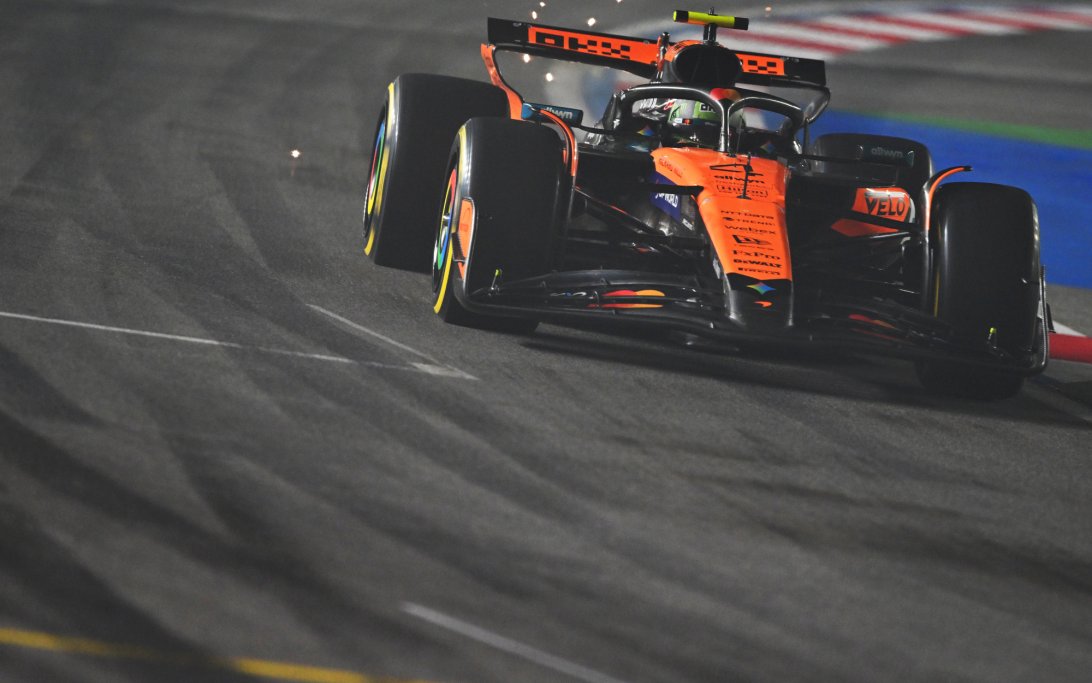
FIA to Investigate F1 Rule Change After McLaren's Las Vegas Disqualification
McLaren's double disqualification in Las Vegas for excessively worn skid blocks has prompted the FIA to investigate potential changes to F1's technical regulations. Team Principal Andrea Stella revealed discussions about introducing more proportionate penalties for minor, unintentional infringements, aiming to avoid automatic disqualifications for issues with minimal performance gain, signaling a potential shift in how technical compliance is judged in Formula 1.
McLaren faced a severe penalty in Las Vegas with both Lando Norris and Oscar Piastri disqualified after their skid blocks were found to be excessively worn. Team Principal Andrea Stella confirmed the FIA is now investigating a potential rule change to introduce more proportionate penalties for technical infringements, acknowledging the current regulations lack nuance.
Why it matters:
The double disqualification, while technically correct, highlighted a rigidity in F1's technical regulations that could lead to disproportionate penalties for minor infractions. An FIA review could pave the way for a more nuanced system, ensuring that unintentional, minimal-performance-gain infringements don't automatically result in the most severe sanction. This change would be critical for fairness and to prevent unintended consequences from impacting championship battles.
The Details:
- Disqualification Basis: Both McLaren cars were disqualified from the Las Vegas Grand Prix because their skid blocks, designed to prevent excessive floor wear, were found to be below the mandated 9mm thickness at the end of the race.
- Specific Measurements: Lando Norris's car showed 0.12mm of excessive wear, while Oscar Piastri's had 0.26mm. Despite being minor, the current rules enforce an automatic disqualification for any deviation.
- Lack of Proportionality: Andrea Stella highlighted that unlike sporting or financial regulations, technical infringements currently offer no leeway for proportionality in penalties, meaning minor issues incur the same severe punishment as major ones.
- FIA Acknowledgment: Stella confirmed that the FIA itself has acknowledged this lack of proportionality and is exploring future adjustments. The goal is to ensure that minor, accidental technical infringements with minimal or no performance benefit do not lead to such severe consequences.
- Mitigating Circumstances: McLaren argued that the infringement was unintentional, with no deliberate attempt to circumvent regulations, and that mitigating circumstances were presented to the stewards.
- Not a Performance Chase: Stella emphasized that the excessive wear was due to an "anomaly in the behavior of the car," rather than an "excessive or unreasonable chase of performance." He reiterated the team's focus on performance has led to success, including two consecutive constructors' titles.
What's next:
While no immediate changes are expected, the FIA's investigation suggests a potential shift in how technical infringements are policed in Formula 1. Any rule change would likely be a significant topic of discussion among teams and could alter how technical boundaries are approached. McLaren will be closely monitoring these developments, hoping for a more equitable system in the future that distinguishes between deliberate cheating and minor, accidental technical issues.