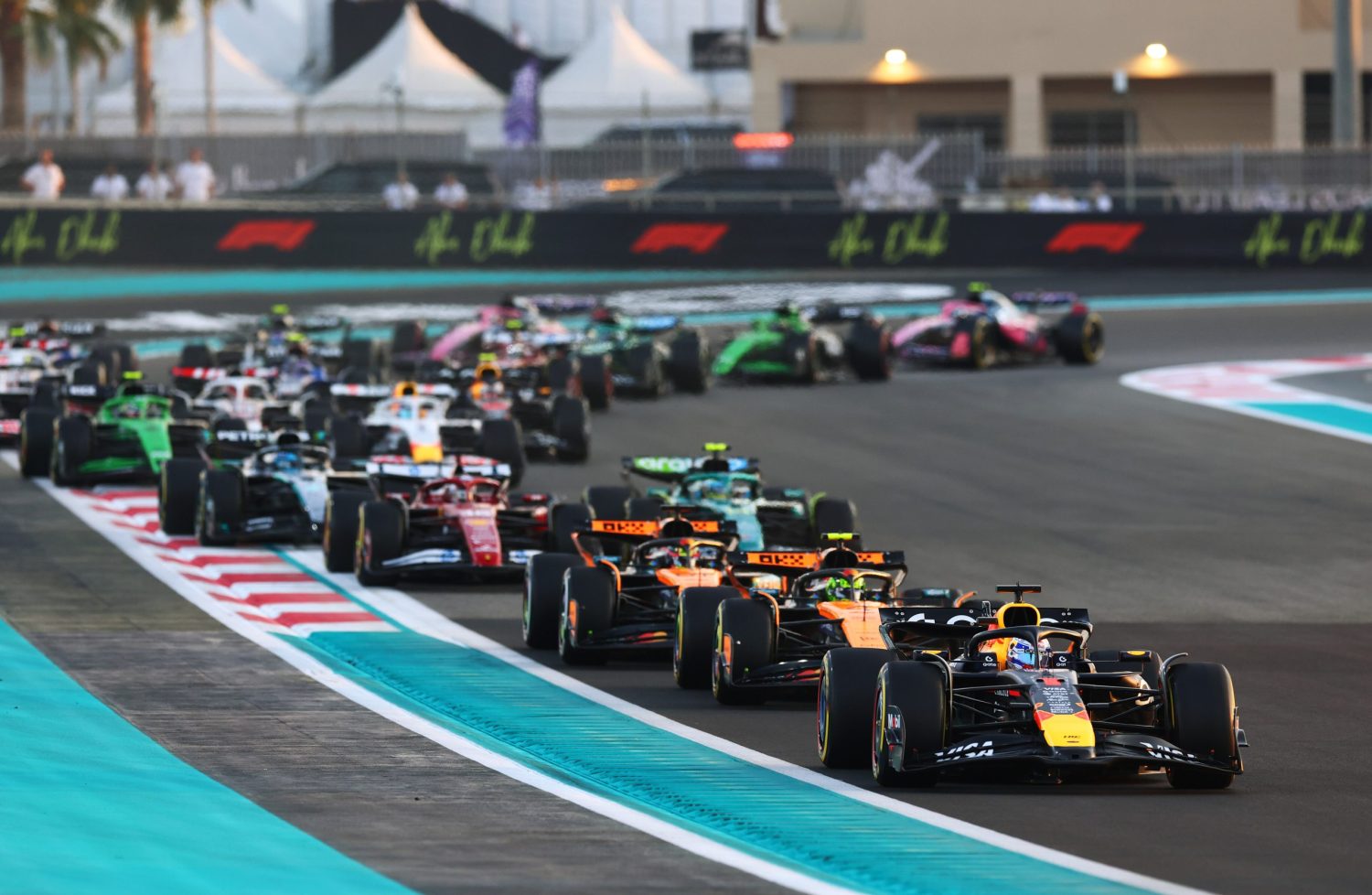
FIA to simplify 2026 F1 terminology in major clarity push
The FIA is working to simplify the complex technical jargon for F1's 2026 rules, replacing confusing terms like "MOM" with clearer language like "overtake mode" to make the sport more accessible for fans and unified across teams and broadcasts.
The FIA is undertaking a major overhaul of the technical terminology for Formula 1's 2026 regulations, aiming to replace confusing jargon with clear, unified language for fans, teams, and broadcasters. This initiative seeks to ensure that the sport's complex new era of technology—featuring active aerodynamics and a new overtake system—is accessible and understandable to a global audience.
Why it matters:
Clear communication is critical as F1 enters one of its most technically complex rule changes in decades. Confusing terms like "MOM" or "SLM" create a barrier for fans trying to follow the on-track action and strategy. By establishing a simple, unified vocabulary, the FIA aims to enhance the viewing experience and ensure the sport's narrative remains focused on racing, not decoding acronyms.
The details:
- Scrapping Confusing Acronyms: The push follows months of shifting and unclear labels. Initial terms like "X-mode" and "Y-mode" were replaced by "straightline mode" and "cornering mode," which were then abbreviated to "SLM" before also being deemed unsatisfactory.
- Replacing "MOM": The planned "Manual Override Mode" (MOM), the hybrid boost system set to replace DRS, was quickly retired due to confusion and jokes. It is now likely to be called the much clearer "overtake mode." A separate term like "boost mode" may be used for general battery deployment on straights.
- Simplifying Active Aero: The active aerodynamic system, which will automatically adjust between high-downforce (cornering) and low-drag (straightline) settings, will no longer have separate mode names. Instead, the entire mechanism will simply be referred to as "active aerodynamics."
- A Unified Front: FIA Single-Seater Director Nikolas Tombazis emphasized the goal is to create a single terminology used by teams on the radio, TV commentators, and within the official regulations themselves.
What's next:
The FIA and Formula 1 are in the final consultation phase with teams, broadcasters, and fan groups to finalize the new glossary. The aim is to lock in the simplified terminology before the end of the year, providing a clear linguistic framework ahead of the 2026 preseason. If successful, the new rulebook will match the promised efficiency of the 2026 cars—no longer requiring its own glossary to be understood.