FIA Unconcerned by Marshals in Vegas GP Run-Off During Early Laps
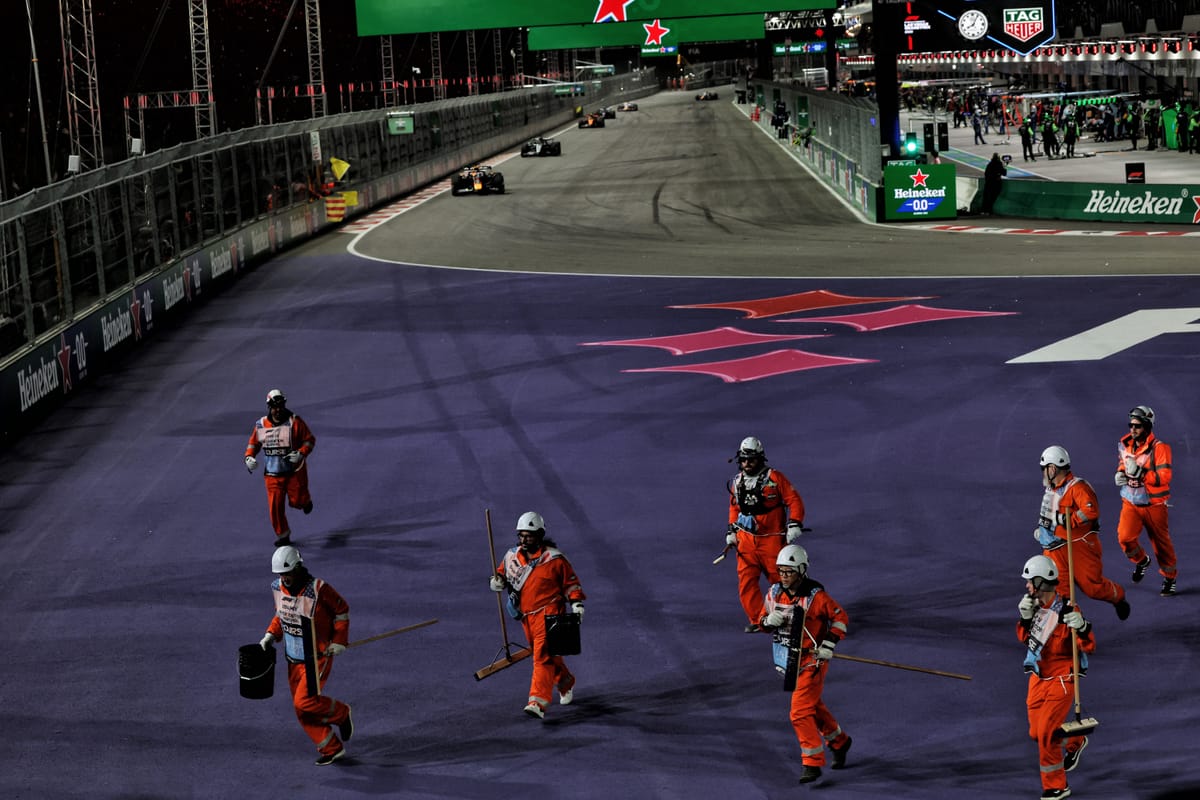
The FIA found no fault with the clean-up after the Las Vegas Grand Prix Turn 1 collisions, despite marshals being in the run-off area during the second lap. They distinguished it from a previous Mexico incident, citing no miscommunication and marshals remaining off the active track. Double-waved yellows were deployed, and a VSC was only activated when debris subsequently appeared on the track.
The FIA has expressed no concerns regarding the handling of the clean-up operation after the Turn 1 collisions at the start of the Las Vegas Grand Prix, even though marshals were present in the run-off area as the field completed the first lap. This incident, while reminiscent of a similar situation in Mexico, was deemed distinct by the governing body due to crucial operational differences.
Why it matters:
Safety protocols in Formula 1 are paramount, and any situation involving trackside personnel while cars are still circulating draws scrutiny. The FIA's stance clarifies their operational decisions during a critical phase of the race, emphasizing the distinction between marshals on track versus those in designated run-off areas and the appropriate flagging procedures.
The Details:
- Vegas Incident: Marshals were in the Turn 1 run-off area during the start of lap two to clear debris from a multi-car collision. Race control was fully aware of their presence and the timing.
- Mexico GP Comparison: A near-miss occurred at the Mexican Grand Prix when Liam Lawson encountered two marshals on the track collecting debris, due to a miscommunication about the field's position.
- Key Distinctions: The FIA highlighted two main differences:
- No Miscommunication: In Las Vegas, race control had complete awareness and control over the marshals' deployment and estimated clearance time. There was no mistaken belief that the track was clear.
- Location of Personnel: All marshals in Las Vegas were on the run-off area, not on the active circuit itself. This critical distinction meant a Virtual Safety Car (VSC) or Safety Car was not immediately deemed necessary.
- Flagging Procedures: The Turn 1 area was under double-waved yellow flags as cars approached and navigated the corner. A single yellow flag was also deployed before the start/finish line as an additional warning.
- Subsequent VSC: When debris was later reported on the track shortly after, a VSC was activated to facilitate its safe collection, demonstrating adherence to protocol for debris on the racing line.
The Big Picture:
The FIA's review underscores the meticulous, albeit sometimes controversial, decision-making process in race control. The crucial differentiator here is the location of the marshals – on the run-off versus on the track. While any trackside presence during live racing is high-risk, the established protocols and awareness of race control allowed them to manage the situation under yellow flags rather than a full safety car deployment. This reflects a calculated risk assessment based on the specific circumstances and location of the personnel.
What's next:
Race control's handling of such incidents is continuously reviewed. This specific event in Las Vegas, while deemed correctly managed by the FIA, will likely contribute to ongoing discussions and refinements of safety procedures, particularly concerning marshal deployment in run-off areas during yellow flag conditions to ensure absolute clarity for drivers and personnel alike.