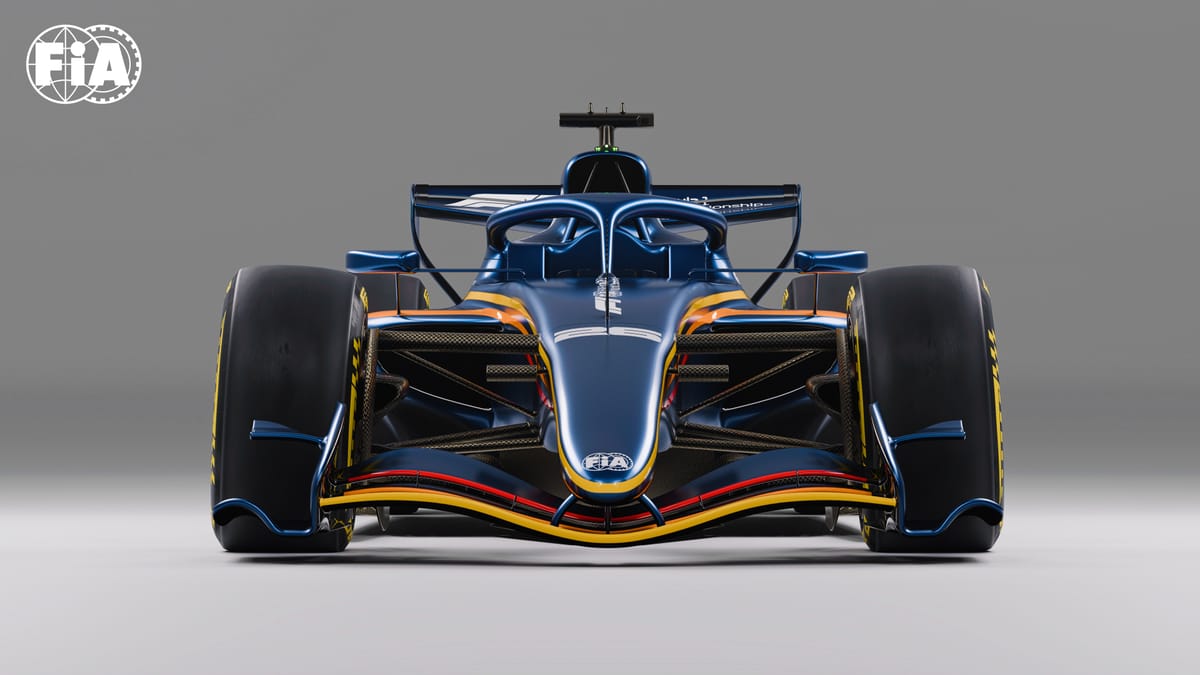
FIA Vows to Adjust 2026 Rules if Overtaking Is Too Easy or Hard
The FIA has confirmed it can adjust the 2026 F1 regulations on the fly if the new rules produce either processional races or overly easy overtakes, aiming to find a sweet spot for wheel-to-wheel action.
Amid uncertainty over how the 2026 F1 regulations will impact wheel-to-wheel racing, the FIA has confirmed it is prepared to intervene. The governing body has several "levers" it can pull to adjust the rules, ensuring overtaking is neither too difficult nor too easy. The goal is to create a "narrow window" for competitive passing, avoiding both processional races and meaningless, easy passes.
Why it matters:
The success of the 2026 regulations is critical for Formula 1's future, as a massive rules overhaul carries significant risk. If the new cars, featuring active aero and powerful electric modes, fail to deliver exciting racing, it could damage the sport's appeal. The FIA's proactive stance and willingness to fine-tune the rules is a reassuring signal that the quality of the on-track spectacle remains a top priority, aiming to avoid the pitfalls of past regulatory changes.
The details:
- FIA single-seater director Nikolas Tombazis stated the governing body has regulatory "levers" to adjust the difficulty of overtaking based on real-world data.
- If overtaking proves too difficult, they can make it easier; if it becomes too simple, they can make it more challenging.
- Specific adjustable elements include the location and duration of activation zones for the new manual and overtaking engine modes.
- Tombazis emphasized the need for a "narrow window" for passing, stating: "We don't want cars just driving past each other not having a fight... But we also don't want it to be impossible, so that when they leave the grid after lap one, you know how it is going to finish."
Looking ahead:
The FIA will closely monitor the situation during winter testing and the early races of 2026 to gather real-world data before making any adjustments. Beyond regulatory tweaks, a key factor will be how quickly teams and drivers adapt to the new energy management systems. Tombazis believes that initially, some drivers might be vulnerable like a 'sitting duck on the straight,' but they will quickly learn how to optimize energy deployment to defend effectively. The final, optimal balance for exciting racing will likely be found through this combination of regulatory oversight and team adaptation once the cars hit the track.