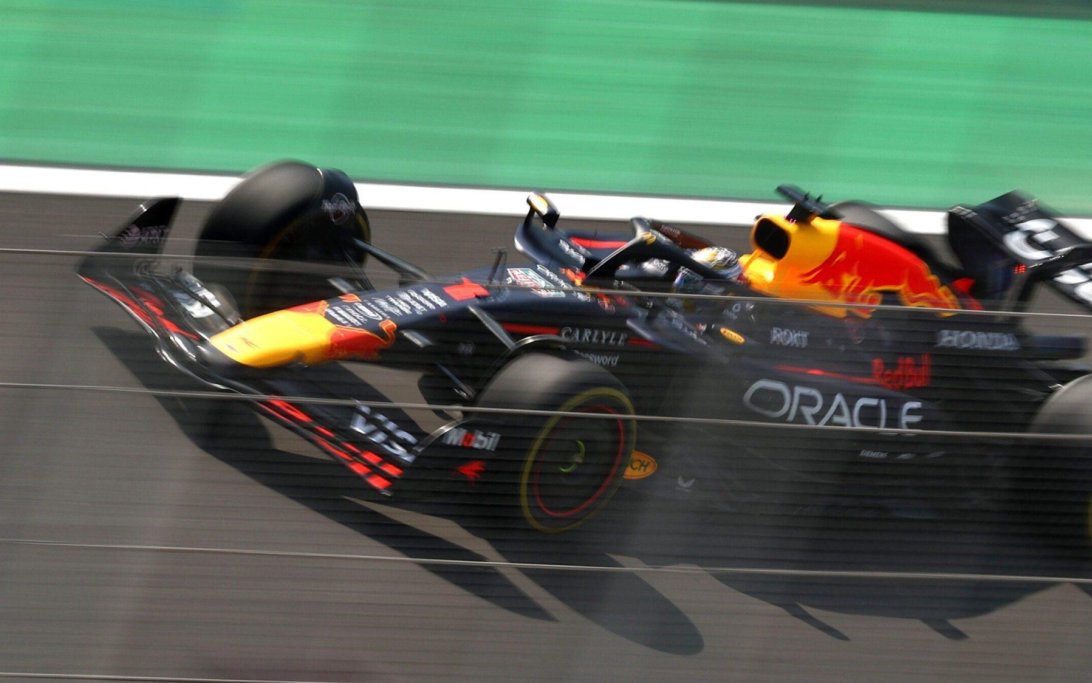
Ford Says Any Red Bull Engine Weakness in 2026 Will Be 'Minimal'
Ford's Mark Rushbrook downplays concerns about Red Bull's new 2026 engine, insisting any potential performance deficit will be minimal and can be offset by strengths in other areas of the new power unit.
Ford's motorsport chief, Mark Rushbrook, has moved to downplay concerns about Red Bull's in-house 2026 power unit, stating any potential performance deficit against more established manufacturers will be "minimal." As Red Bull undertakes the monumental task of building its own Formula 1 engine for the first time, Rushbrook believes the team can compensate for a slight lag in internal combustion power through other areas, leveraging the new regulations and experienced personnel they've recruited.
Why it matters:
Red Bull's current era of dominance, powered by Honda engines, is set to end. Their ability to build a competitive power unit from scratch is the single biggest factor that will determine if they can continue winning championships under the 2026 regulations. A weak start could hand the advantage to rivals like Mercedes, Ferrari, and Audi, while a strong debut would solidify Red Bull's status as a true F1 powerhouse, independent of a partner like Honda.
The details:
- The Concern: Red Bull chief engineer Paul Monaghan previously hinted the team's internal combustion engine (ICE) might be slightly behind rivals at the start of 2026, a natural worry for a new manufacturer.
- Rule Changes: Rushbrook notes that the 2026 regulations are "a little bit different," which could reduce the inherent advantage of decades of experience held by manufacturers like Mercedes and Ferrari.
- Balancing Act: The new power units feature a 50/50 split between electrical and combustion power. This provides a significant avenue to make up for any slight ICE deficiency through superior battery, motor, and electronics performance.
- Personnel Power: Red Bull Powertrains has aggressively recruited experienced engineers from various programs, building a team capable of tackling the challenge despite being a new entity.
What's next:
The true test for Red Bull Powertrains will begin with pre-season testing in 2026. All eyes will be on the performance of both the main Red Bull team and its sister squad, Racing Bulls, to see if the project's ambition matches its reality. While Ford's reassurance is positive, the unforgiving nature of F1 competition will provide the definitive answer on whether Red Bull's massive gamble has paid off.