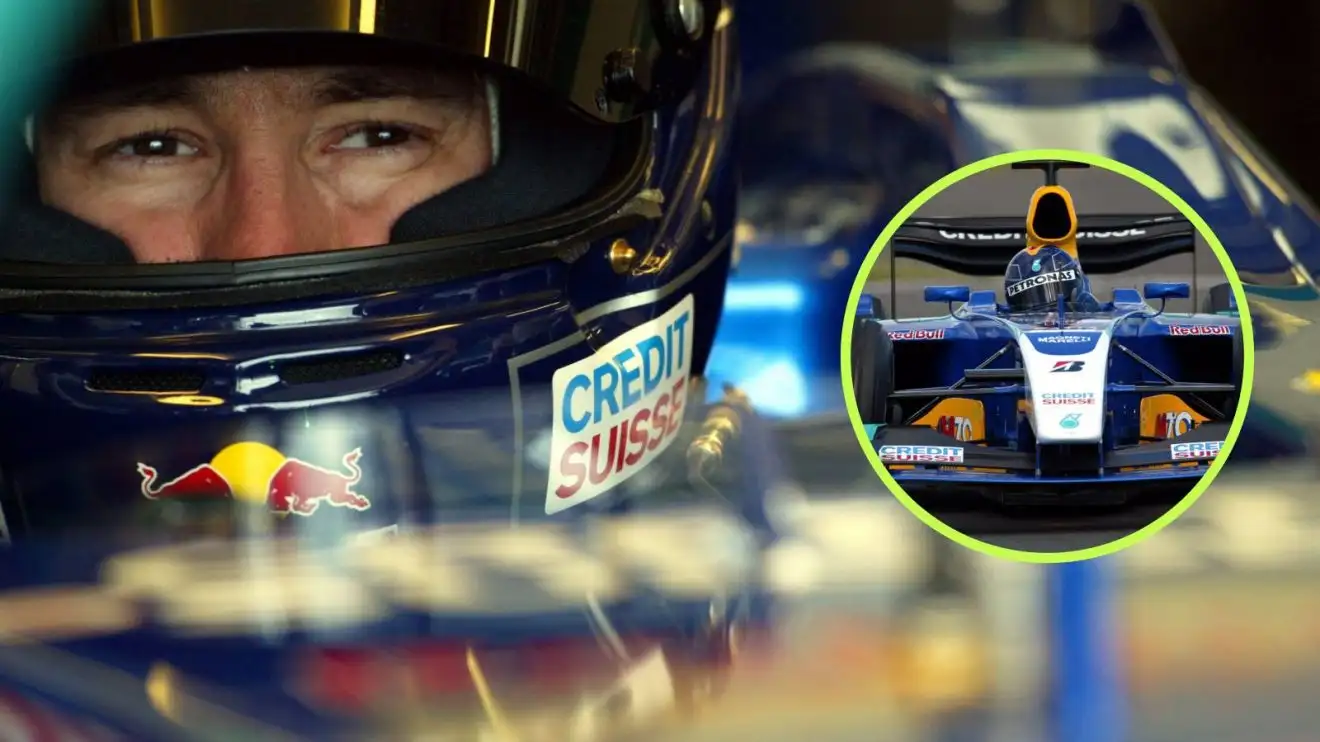
Frentzen Reveals 'Burnout' and 'Overpaid' Feeling at Sauber Ended His F1 Career
Heinz-Harald Frentzen says his F1 career ended in 2003 due to 'burnout' at Sauber, where he felt 'overpaid' and was barred from making technical changes to the car, leading to a complete loss of motivation.
Former F1 driver Heinz-Harald Frentzen has revealed that his 2003 season with Sauber led to his retirement, as he felt 'overpaid' and 'completely lost motivation' due to being restricted from contributing technically to the car. The German driver, a known technical enthusiast, clashed with the team's philosophy under Technical Director Willy Rampf, a dynamic he cites as the primary reason for walking away from the sport.
Why it matters:
Frentzen's account provides a rare and candid look into the critical relationship between a driver's feedback and a team's technical direction. It underscores how a disconnect in this area, regardless of a driver's talent or salary, can lead to burnout and prematurely end a career, highlighting that a driver's value extends far beyond just driving the car on track.
The details:
- Technical Clash: Frentzen stated that Rampf explicitly forbade him from altering key components like dampers, roll centers, and caster, limiting his input to basic adjustments like the anti-roll bar. This stifled Frentzen, who believed his experience could make the car "one second quicker."
- Feeling 'Overpaid': After racing for free at the now-defunct Prost and Arrows teams, Frentzen felt his Sauber salary was unjustified. He was being paid to drive but not to use his brain or technical expertise, which led to a profound loss of motivation.
- The Final Straw: This frustration culminated in what he now identifies as "burnout syndrome." Despite an offer from Eddie Jordan to race in 2004, Frentzen felt "absolutely finished" and opted to retire, leaving F1 for what he hoped would be a less complicated racing environment in DTM.
Looking Ahead:
While Frentzen secured a surprise podium at the 2003 US Grand Prix, his final season in F1 was defined by frustration and regret. He now wishes he had been more "politically" adept at convincing team leadership to trust his technical insights, believing he could have achieved more in his career had he been able to bridge that gap.