From Sepang to Istanbul: F1 Circuits That Should Make a Return
Following Portimao's return, calls are growing for F1 to reinstate classic circuits like Sepang and Istanbul Park to improve racing variety. The article argues for a calendar that better balances new street circuits with historic, driver-challenging tracks, including a push for a long-awaited return to the African continent.
The return of Portimao to the Formula 1 calendar has reignited calls for more classic and challenging circuits to be reinstated. Fans and pundits are looking beyond the current roster of street circuits, advocating for a calendar that better balances modern venues with the sport's historic and driver-favorite tracks.
Why it matters:
The character of a circuit fundamentally shapes the quality of racing and the challenge for drivers. A calendar dominated by similar, often processional street tracks can dilute the spectacle. Reintroducing iconic, driver-demanding circuits would enhance competitive variety, celebrate F1's heritage, and deliver the unpredictable, thrilling races that fans crave.
The Details:
- The Nürburgring Nordschleife: While a full Grand Prix return is logistically improbable, its inclusion highlights the fan desire for ultimate driving challenges. The 20.8 km "Green Hell" remains the ultimate benchmark of driver skill and car endurance, a stark contrast to many modern Tilke-designed circuits.
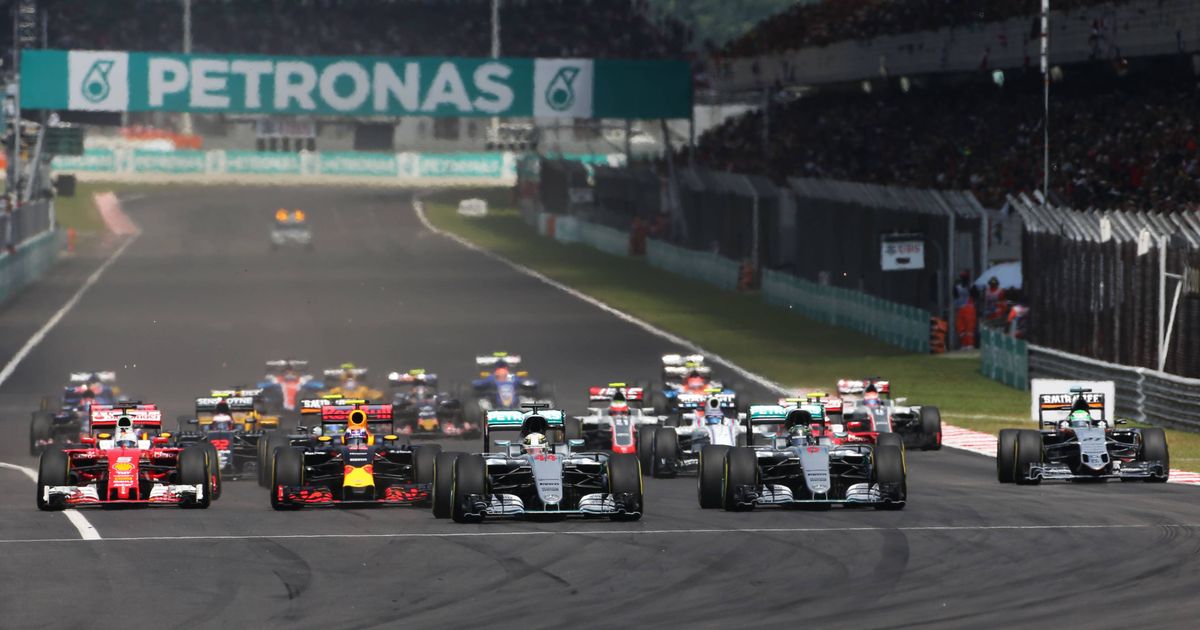
- Sepang International Circuit: Dropped after 2017, the Malaysian track's wide layout and flowing corners created multiple overtaking opportunities and strategic races. Its removal was due to commercial factors, not a lack of racing quality. Former driver Karun Chandhok is among those publicly calling for its return.
- Istanbul Park: Famous for the relentless, multi-apex Turn 8, this circuit is a modern classic that tests a driver's commitment. It provided memorable moments, like the 2021 wheel-to-wheel battle between Lewis Hamilton and Sergio Perez. Its return would add a unique, high-speed technical challenge absent from the current calendar.
- A Grand Prix in Africa: F1's last race on the continent was in 1993 at Kyalami. A return is a stated goal for F1's global expansion, with countries like Rwanda expressing serious interest. A race in Africa would fulfill a significant geographical gap in the schedule and tap into a new, massive fanbase.
The big picture:
The debate over the calendar is about the soul of modern Formula 1. While new venues in glamorous locations drive commercial growth, an over-reliance on them risks making the sport feel homogenous. The circuits mentioned represent different virtues: history and legend (Nürburgring), superb racing design (Sepang), pure driving challenge (Istanbul), and global representation (Africa). A healthy calendar needs this diversity to maintain its appeal to purists and casual fans alike.
What's next:
While fan nostalgia doesn't pay hosting fees, commercial and sporting interests can align. Portimao's return shows it's possible. The key will be whether local governments or promoters see enough value in hosting F1 at these classic tracks to meet the sport's financial demands. The most likely candidate for a near-term return is a race in Africa, as it aligns with F1's strategic expansion goals. For Sepang or Istanbul, it would require a significant shift in the commercial model or a local entity willing to make a major investment to bring back the roar of F1 engines.