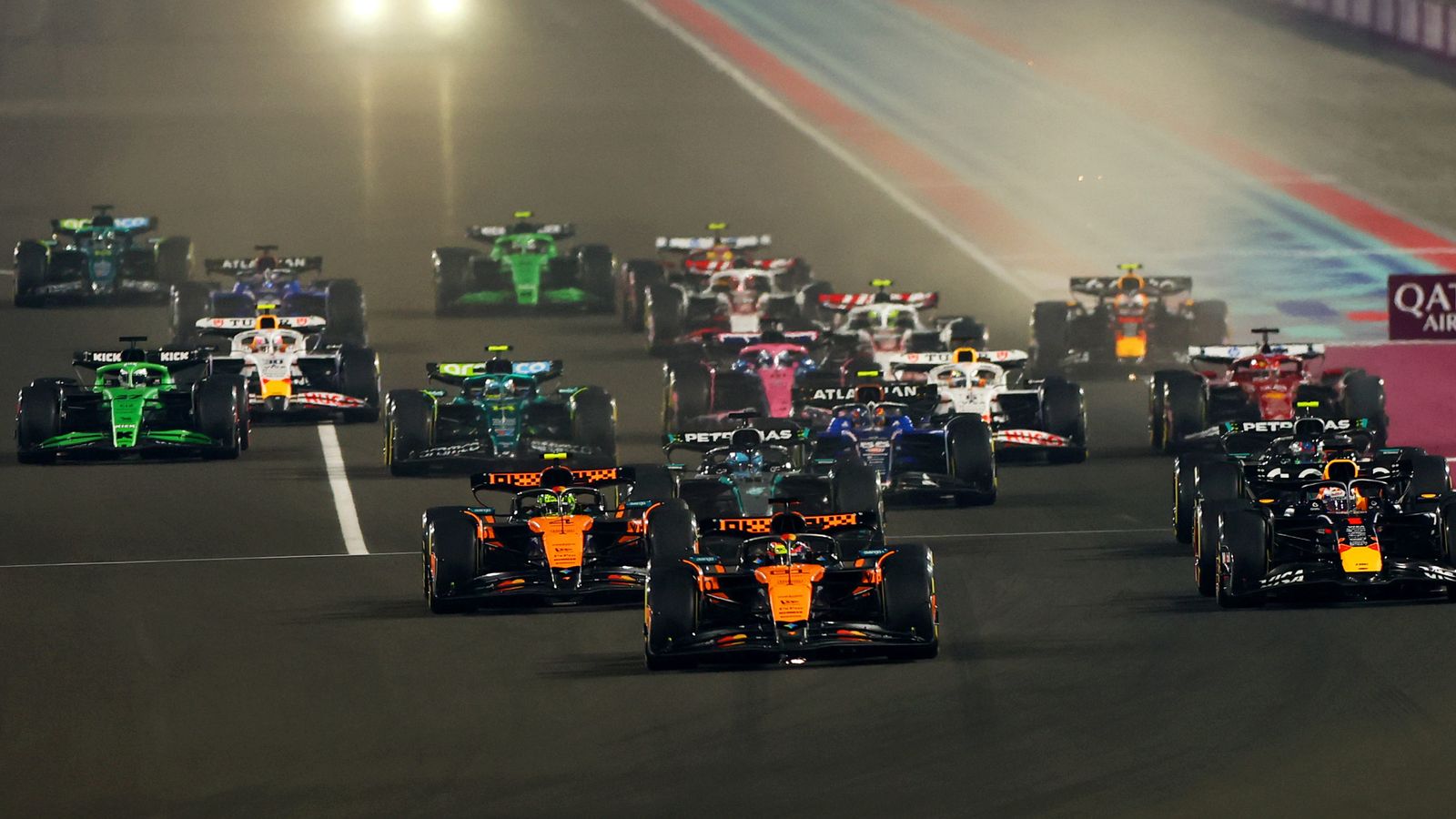
Full 2026 F1 Grid Takes Shape Amid Major Regulatory Overhaul
Formula 1 is set for a massive transformation in 2026 with sweeping new technical regulations, a new race in Madrid, and the addition of Cadillac as the 11th team. These changes will introduce entirely new car designs and aim to shake up the competitive order, replacing DRS with active aerodynamics for closer racing. Provisional driver line-ups are taking shape, signaling an unpredictable and exciting new era for the sport.
As the 2025 Formula 1 season draws to a close, the motorsport world is buzzing with anticipation for 2026, a year set to bring monumental changes to the sport. The calendar will expand to 24 rounds, kicking off in Melbourne, Australia, on March 6-8 and concluding in Abu Dhabi on December 4-6. A new street circuit in Madrid will debut in September, while Imola has been removed from the schedule.
Why it matters:
The 2026 season marks one of the most significant overhauls in Formula 1 history, with new technical regulations expected to completely reshape the competitive landscape. These changes will introduce new car designs, a revised pecking order, and the long-awaited entry of American manufacturer Cadillac, expanding the grid to 11 teams for the first time since 2016. This level of disruption creates an environment ripe for new champions and unexpected contenders.
The Details:
- New Calendar: The 2026 season will feature 24 rounds, beginning in Melbourne, Australia (March 6-8), and concluding in Abu Dhabi (December 4-6).
- New Race Venue: Madrid will host a new street circuit race in September, marking a fresh addition to the F1 calendar.
- Team Expansion: Cadillac will join the grid as the 11th team, bringing the total number of entries to 22 cars.
- Driver Line-ups (Provisional):
- McLaren: Lando Norris, Oscar Piastri
- Mercedes: George Russell, Kimi Antonelli
- Red Bull: Max Verstappen, Isack Hadjar
- Ferrari: Charles Leclerc, Lewis Hamilton
- Williams: Carlos Sainz, Alex Albon
- Racing Bulls: Liam Lawson, Arvid Lindblad
- Aston Martin: Fernando Alonso, Lance Stroll
- Haas: Esteban Ocon, Oliver Bearman
- Audi: Nico Hulkenberg, Gabriel Bortoleto
- Alpine: Pierre Gasly, Franco Colapinto
- Cadillac: Sergio Perez, Valtteri Bottas
- Technical Regulations Overhaul: The biggest change will be a complete revamp of power unit, chassis, and aerodynamic rules. Cars will feature fundamentally different designs.
- No More DRS: The Drag Reduction System (DRS) will be abolished, replaced by active aerodynamic elements (moving wings) designed to promote closer racing and more overtaking.
- Long-Term Impact: Sky Sports F1's Martin Brundle has described these as the "biggest changes ever." Teams have been working on their 2026 cars for an extended period, as these regulations are set to remain in place for five seasons. Early success will be crucial, mirroring Mercedes' dominant run from 2014 to 2016 following previous regulation shifts.
What's next:
The full implications of these sweeping changes won't be clear until the 2026 pre-season testing and the opening races. However, the introduction of new technical regulations, a new team, and a significantly altered calendar promises a thrilling and unpredictable era for Formula 1. The focus now shifts to how teams interpret the new rulebook and which constructors will emerge at the forefront of this new competitive landscape.