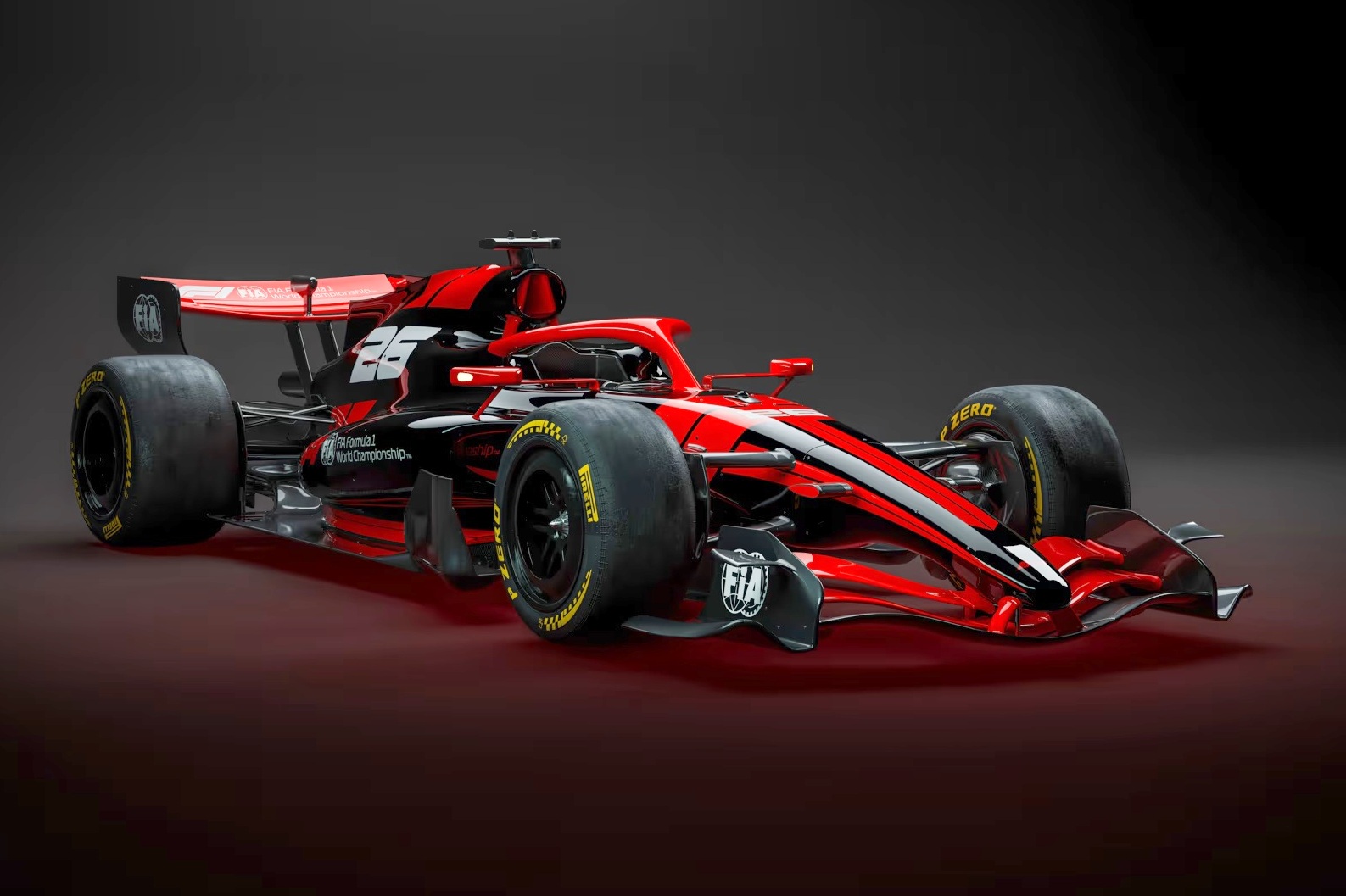
Gary Anderson Warns F1's 2026 Rules Could Destroy Grid Parity
F1 veteran Gary Anderson warns the sport's complex 2026 regulations could backfire, creating huge performance gaps and shifting focus from drivers to engineers, undoing recent progress in grid competitiveness.
Veteran F1 technical director Gary Anderson is sounding the alarm on Formula 1's upcoming 2026 regulations, fearing the sport's ambitious reset could spectacularly backfire. He believes the sweeping changes to aerodynamics and power units are so complex they could fracture the tightly packed field F1 cultivated in 2025, undoing years of progress toward competitive racing.
Why it matters:
The 2025 season concluded with one of the most competitive grids in modern F1 history, a major triumph for the current ground-effect rules. Anderson's warnings suggest the sport is at risk of taking a massive step backward, trading thrilling on-track battles for a technical arms race decided in factories and simulators rather than by driver talent on the track.
The details:
- Active Aero Complexity: The new active aerodynamic system, which replaces DRS with separate modes for corners and straights, is a major point of concern. Anderson predicts it could lead to a 3-4 second performance gap between teams at the start of the season—a massive leap from the 1.6-second spread seen in 2025 qualifying.
- Power Unit "Clipping": The shift to power units with 50% electrical power is a significant risk. Anderson fears drivers will constantly experience power "clipping" at the end of straights due to battery depletion, frustrating their ability to attack and making the cars less predictable and engaging to drive.
- Engineers Over Drivers: The overarching issue is complexity. Anderson argues the regulations are "overly technical," meaning success will be determined by which team best masters the intricate systems, not by driver skill. This fundamentally shifts the competitive focus away from the cockpit.
Looking ahead:
Anderson predicts it could take years for the grid to converge again under the new rules, with early mistakes haunting teams for a long time. Instead of a revolution, he advocates for a simpler evolution of the current regulations: lighter cars, more strategic tire compounds, and subtle aerodynamic tweaks. With whispers of some manufacturers already holding an advantage, the 2026 season threatens to replace the hard-won parity of recent years with a fragmented and less spectacular grid.