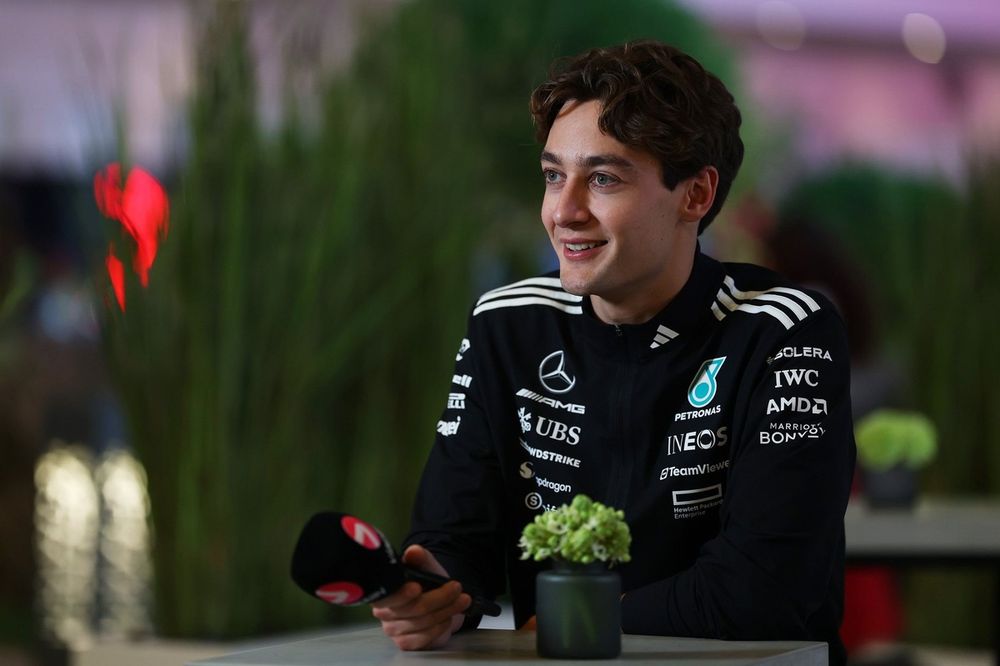
George Russell: Mercedes Blocked Engineer from 'Dangerous' Porpoising Test
George Russell has openly criticized F1's current ground-effect cars as "brutal," revealing that Mercedes' health and safety team even blocked an engineer from experiencing severe porpoising in a simulator due to the extreme conditions. He highlighted the physical strain and impaired visibility drivers faced, eagerly anticipating the 2026 regulations to resolve these issues and improve driver welfare.
George Russell has voiced his strong disapproval of Formula 1's current generation of ground-effect cars, labeling them as "brutal" to drive. He revealed that Mercedes' health and safety protocols even prevented a chief designer from experiencing the extreme porpoising in a simulator, deeming it too dangerous.
Why it matters:
F1's current ground-effect regulations, introduced in 2022, brought back significant porpoising, raising serious safety and health concerns for drivers. Russell's candid remarks highlight the physical toll these cars have taken, underscoring why the upcoming 2026 rule changes are eagerly anticipated to improve driver well-being and car design.
The Details:
- Russell expressed his relief at the impending end of the current F1 regulations cycle, stating, "Oh yeah, to be honest. They are brutal cars."
- He shared an anecdote about Mercedes' internal safety concerns: he and Lewis Hamilton attempted to have a chief designer experience a simulated lap from Baku, known for aggressive porpoising.
- "And the health and safety officer said it was too dangerous," Russell recalled, emphasizing the severity of the issue.
- The current cars, heavily reliant on ground effect for downforce, led to widespread porpoising across the grid in 2022, causing cars to bottom out violently.
- This phenomenon created significant stress on drivers' bodies and impacted visibility at high speeds, as Russell noted about the Las Vegas Grand Prix.
- "I remember the first year I went to Vegas, I couldn't see the brake marker boards because the car was hitting the ground so aggressively," he explained, adding that "half the grid was the same."
What's next:
The 2026 regulation overhaul is expected to largely eliminate porpoising, shifting the aerodynamic focus away from the floor's current capacity. This change, coupled with a new powertrain emphasis, aims to create a safer and potentially more drivable generation of F1 cars.
- Russell's comments reinforce the importance of the 2026 rules for driver welfare and overall sport enjoyment.
- The move away from the current ground-effect concept signals a commitment to learning from the challenges of the past two seasons and improving the racing experience for all involved.