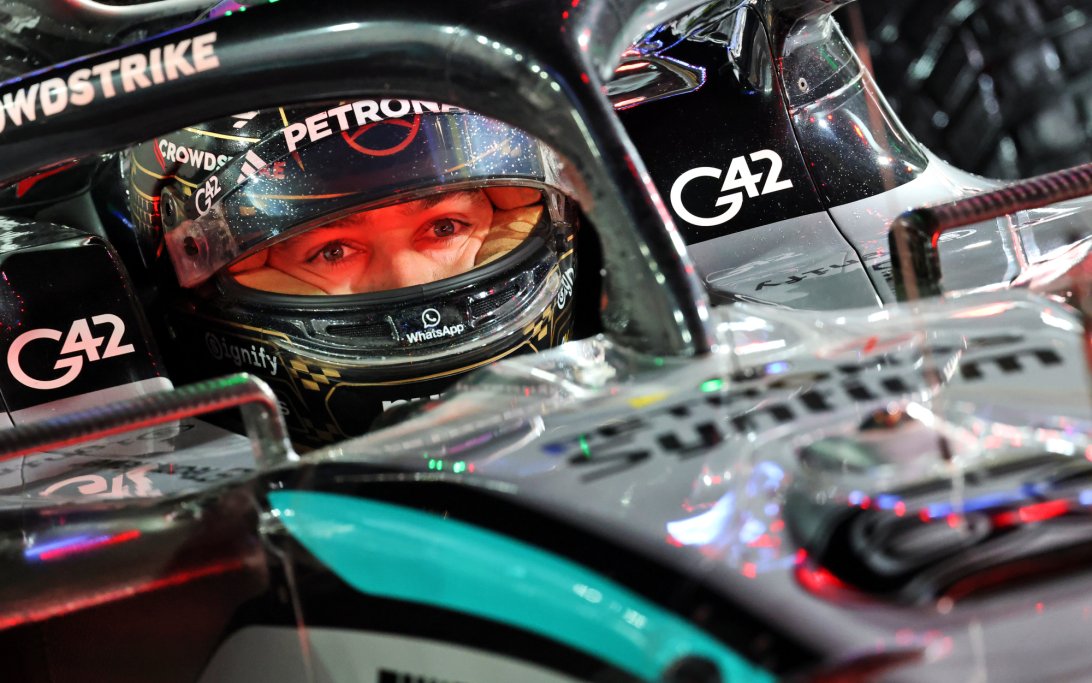
George Russell Reveals Mercedes Ban on 'Dangerous' F1 Porpoising Experiment
George Russell revealed that Mercedes' health and safety officer banned an experiment where he and Lewis Hamilton wanted a chief designer to experience the severe porpoising of the 2022 W13 in a simulator. The bouncing was so extreme it caused physical discomfort and impaired vision for drivers, highlighting the brutal nature of the cars and the serious safety concerns that emerged from the design flaws.
George Russell has revealed that he and Lewis Hamilton were once prohibited by a health and safety officer from conducting an experiment into porpoising. The Mercedes W13 in 2022 was severely affected by this phenomenon due to its zero-sidepod design, which caught teams off guard during pre-season testing. Changes were implemented later in the 2022 season, but not before the Azerbaijan GP, where Hamilton experienced such severe bouncing that he struggled to exit his cockpit after finishing fourth.
Why it matters:
Mercedes' struggle with porpoising in 2022 highlighted a significant design flaw that severely impacted driver comfort and performance. This incident underscores the extreme physical demands placed on F1 drivers and the serious safety considerations teams face when pushing the boundaries of engineering. The ban on the simulator experiment reveals how severe the issue was perceived by health and safety officials, preventing even engineers from experiencing the forces drivers endured.
The Details:
- In 2022, the Mercedes W13's zero-sidepod design made it one of the cars most susceptible to porpoising.
- This phenomenon caught teams by surprise during pre-season testing, leading to a challenging season start for Mercedes.
- Following the Azerbaijan GP, where Lewis Hamilton reported back numbness due to aggressive bouncing, both Russell and Hamilton proposed an experiment.
- They wanted to place a chief designer in Mercedes' simulator rig to replay a lap from Baku, demonstrating the severity of the porpoising.
- Health and Safety Intervention: A health and safety officer rejected the idea, deeming it 'too dangerous' for an engineer.
- Driver Experience: Russell described the cars as 'brutal,' with drivers enduring an hour and a half of constant shaking, impacting their backs, bodies, and even vision.
- He recalled not being able to see brake marker boards at the first Las Vegas Grand Prix due to the car hitting the ground so aggressively at 240 mph.
- Russell noted that about half the grid experienced similar issues, indicating a widespread problem with the car's behavior.
What's next:
While the 2022 porpoising issues have largely been mitigated by rule changes and design evolution, this anecdote serves as a potent reminder of the fine line between performance innovation and driver safety in Formula 1. The sport continues to evolve with ongoing discussions around car design and driver well-being, ensuring such extreme physical stresses are minimized in future regulations. Russell expressed relief that the sport is moving away from such aggressive bouncing, signifying a collective effort to improve driver conditions.