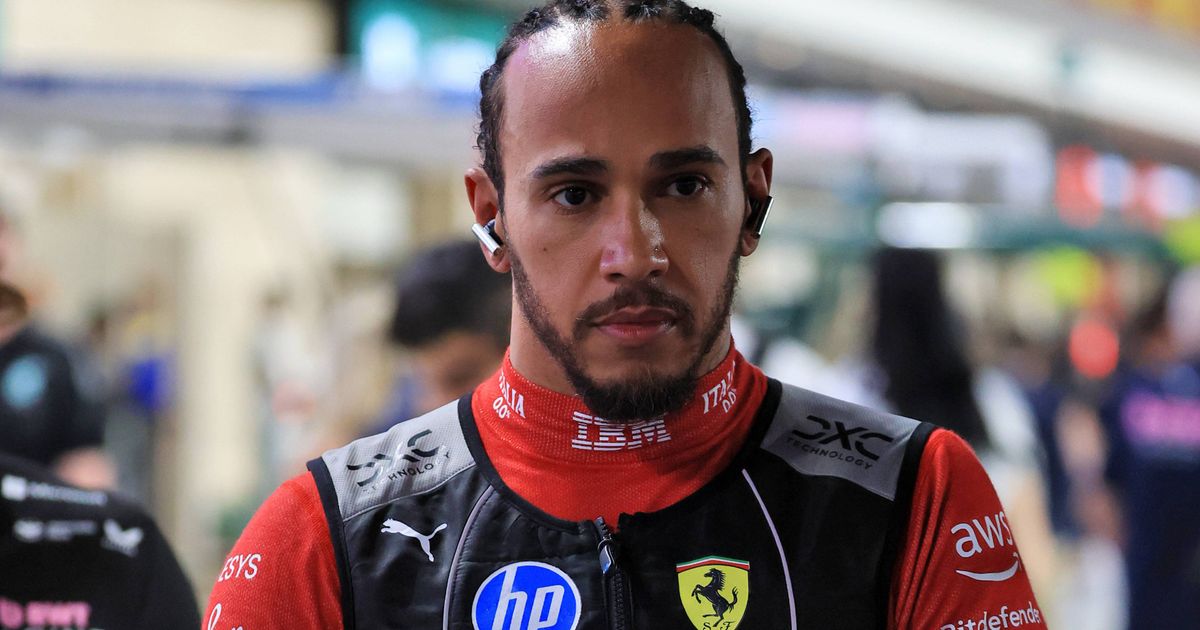
Hamilton defends Ferrari's early 2025 development halt for 2026 focus
Lewis Hamilton has fully backed Ferrari's controversial decision to stop developing its 2025 car early to focus on 2026's new rules, a move that hurt their current performance but which he calls the right long-term strategy.
Lewis Hamilton has strongly defended Ferrari's strategic decision to halt aerodynamic development of its 2025 car as early as April, a move that contributed to the team's slide to fourth in the championship but was aimed at maximizing resources for the pivotal 2026 regulation overhaul. The seven-time champion, who endured a winless debut season with the Scuderia, stated he "supported it 100%" and continues to believe it was the correct long-term call given the team's position outside the title fight.
Why it matters:
Ferrari's choice represents a high-stakes gamble, sacrificing immediate competitive performance in 2025 to gain a potential head start on the sweeping 2026 technical regulations. This strategic pivot underscores the immense resource allocation and long-term planning required in modern Formula 1, where a major regulation change can reset the competitive order for years. For Hamilton, publicly backing the decision reinforces his commitment to the team's future amid a personally challenging season.
The details:
- Team principal Frederic Vasseur confirmed the development stop on the SF-25 chassis occurred very early in the season, with focus shifting entirely to the 2026 project.
- Rivals McLaren, Mercedes, and Red Bull continued developing their 2025 cars, which allowed them to outpace Ferrari as the season progressed.
- Hamilton finished the year without a Grand Prix win or podium, marking one of the most difficult seasons of his career.
- The driver emphasized he was "one pushing for" the strategic shift, arguing the team could not afford to fall behind in development for the new car cycle.
- He acknowledged the decision made it "harder to maintain the performance we had at the beginning of the year," but insisted it was justified as the team was not fighting for a championship.
The big picture:
Hamilton's defense highlights the difficult trade-offs teams face during a regulation transition. While the short-term result was a drop in the standings, Ferrari's logic follows a pattern seen in F1 where teams sometimes write off a season to prepare for a rule change. The success of this gamble won't be known until 2026, but it places immense pressure on the team to deliver a competitive car from the outset of the new era.
What's next:
All attention at Maranello now turns to the 2026 car, a project that will define Ferrari's—and Hamilton's—chances of returning to the front of the grid. Hamilton noted he has taken "plenty of positives" from the season despite the results, focusing on integration with the team. The coming months will reveal whether the sacrificed 2025 development time translates into a tangible advantage when the next generation of cars hits the track.