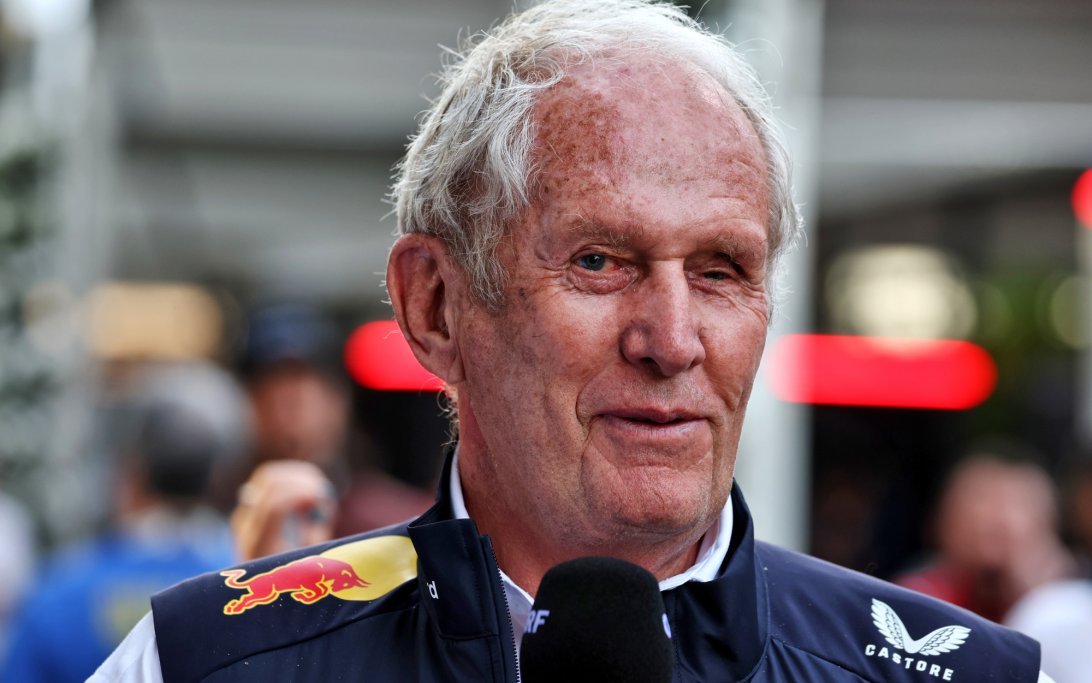
Helmut Marko's Red Bull Exit Tied to Rogue Driver Signings, Report Claims
Red Bull advisor Helmut Marko is set to depart following unauthorized driver contracts with Arvid Lindblad and Alex Dunne, contradicting team management decisions. The Austrian's actions triggered internal backlash and a costly contract termination, compounding tensions after his controversial comments about Kimi Antonelli.
Helmut Marko's likely exit from Red Bull stems from repeated clashes with management over unauthorized driver signings, according to Dutch outlet De Limburger. The veteran advisor reportedly signed Arvid Lindblad for Racing Bulls' 2026 seat and secretly secured Alex Dunne for the junior program despite explicit vetoes from senior leadership.
Why it matters:
Marko's departure signals a fundamental shift in Red Bull's driver development strategy. As the architect of their junior program for two decades, his sidelining reflects team principal Laurent Mekies and sporting director Timo Mertens' consolidation of control. This power transition could reshape how Red Bull identifies and nurtures future champions amid F1's increasingly competitive talent landscape.
The Details:
- Lindblad Agreement: Marko finalized the Racing Bulls (formerly AlphaTauri) deal for the British driver without full alignment with Red Bull's management structure, though this contract was ultimately approved.
- Dunne Controversy: The more serious breach involved Irish racer Alex Dunne, whom senior management had explicitly rejected. Marko signed him anyway, forcing Red Bull to pay a significant termination fee after executives ordered the contract voided.
- Antonelli Fallout: Marko further strained relations by falsely claiming Kimi Antonelli deliberately yielded position to Lando Norris during the Qatar GP title battle. The accusation triggered over 1,000 abusive social media messages toward Antonelli, including death threats, requiring Marko to issue a reluctant apology under team pressure.
- Management Rift: These incidents revealed growing disconnect between Marko's unilateral approach and Red Bull's evolving corporate structure, where Mekies now holds decisive authority over driver selections.
What's next:
Marko's exit completes Red Bull's dramatic leadership transformation following Adrian Newey's departure and Christian Horner's temporary suspension earlier this year. The team will now operate without any of its three most influential figures from the 2023 championship era.
- Mekies and Mertens are expected to implement a more centralized driver selection process, potentially reducing reliance on Marko's traditional scouting network.
- Racing Bulls' 2026 lineup remains in flux after the Dunne reversal, with Gabriel Bortoleto emerging as a leading candidate alongside confirmed signing Lindblad.
- The transition may accelerate Red Bull's strategic shift toward data-driven talent evaluation, moving beyond Marko's decades-long emphasis on instinct-based recruitment.
This restructuring underscores Red Bull's determination to modernize operations while navigating F1's new technical regulations and competitive landscape. How smoothly Mekies integrates driver development with car design will prove critical as the team seeks to reclaim dominance after McLaren and Ferrari's 2024 resurgence.