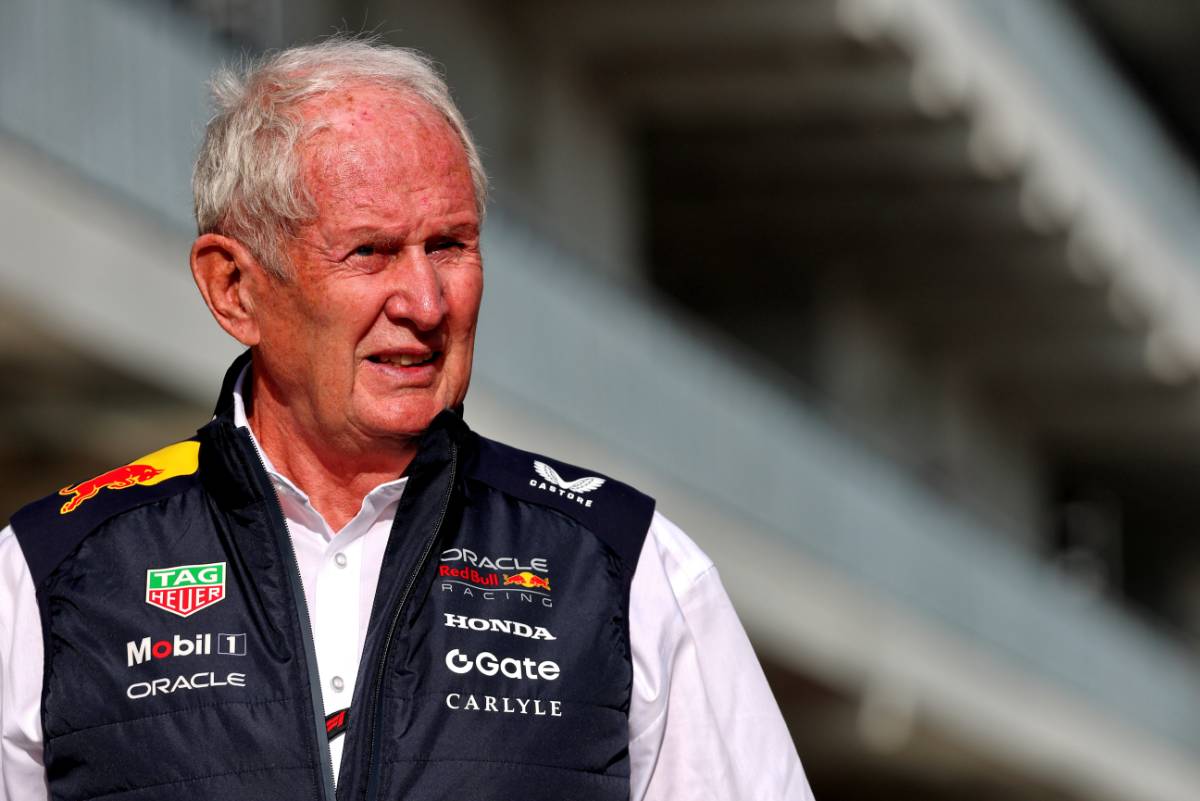
Helmut Marko to Retire From Red Bull and F1 at Year-End
Helmut Marko, the architect of Red Bull's driver development and strategic vision for over two decades, will retire from Formula 1 at year-end. The 82-year-old Austrian's departure marks the end of an era for the team he helped build from its 2005 inception, triggering organizational shifts under parent company oversight.
Helmut Marko, the driving force behind Red Bull's driver pipeline and strategic direction for 21 seasons, will step away from Formula 1 at year-end. The 82-year-old Austrian, whose contract extended through 2026, confirmed his exit following Abu Dhabi Grand Prix discussions with Red Bull management.
Why it matters:
Marko's departure signals a fundamental shift for Red Bull Racing, ending the era of its most influential talent architect. His fingerprints shaped the team's aggressive youth policy, political maneuvering, and unapologetic competitive edge – elements critical to their seven constructors' titles. The timing coincides with parent company Red Bull GmbH tightening oversight, suggesting a move toward corporate structure over Marko's instinctive, hands-on approach.
The details:
- Marko's exit follows his unusually noncommittal Abu Dhabi comments about his future, where he cited "complex" factors and needed to "sleep over it" – a stark contrast to his usual contract-focused stance.
- Red Bull GmbH is consolidating control through sporting CEO Oliver Mintzlaff's group, which will assume greater day-to-day oversight of the F1 program.
- Organizational changes are already visible: a new Austria-based PR head replaced Paul Smith after Christian Horner's exit, and team principal Laurent Mekies recently acknowledged "adjusting organizations" as F1's "non-static environment" demands.
- Strategic shift: Marko's retirement accelerates Red Bull's transition from a founder-driven operation to a corporate-managed entity, potentially softening the team's trademark brashness.
- Legacy impact: Since joining in 2005, Marko personally identified and nurtured talents like Sebastian Vettel, Max Verstappen, and Daniel Ricciardo – his absence leaves a void in driver development that defined Red Bull's competitive advantage.
What's next:
The 1971 Le Mans winner leaves behind a transformed team but an uncertain succession plan. Red Bull's ability to maintain its aggressive edge without Marko's instinctive decision-making will test the new structure immediately.
- Mintzlaff's expanded role represents Red Bull GmbH's clearest intervention in team operations since Horner's suspension, signaling stricter alignment with corporate priorities.
- Mekies faces the dual challenge of managing technical development while navigating this leadership transition – his recent comments about "difficult decisions" suggest internal reviews are already underway.
- The 2025 season will reveal whether Red Bull can sustain its championship-caliber performance without Marko's unfiltered influence on driver selection and strategic gambles. As one paddock insider noted, "The house remains, but the architect who gave it its unmistakable bite is gone."