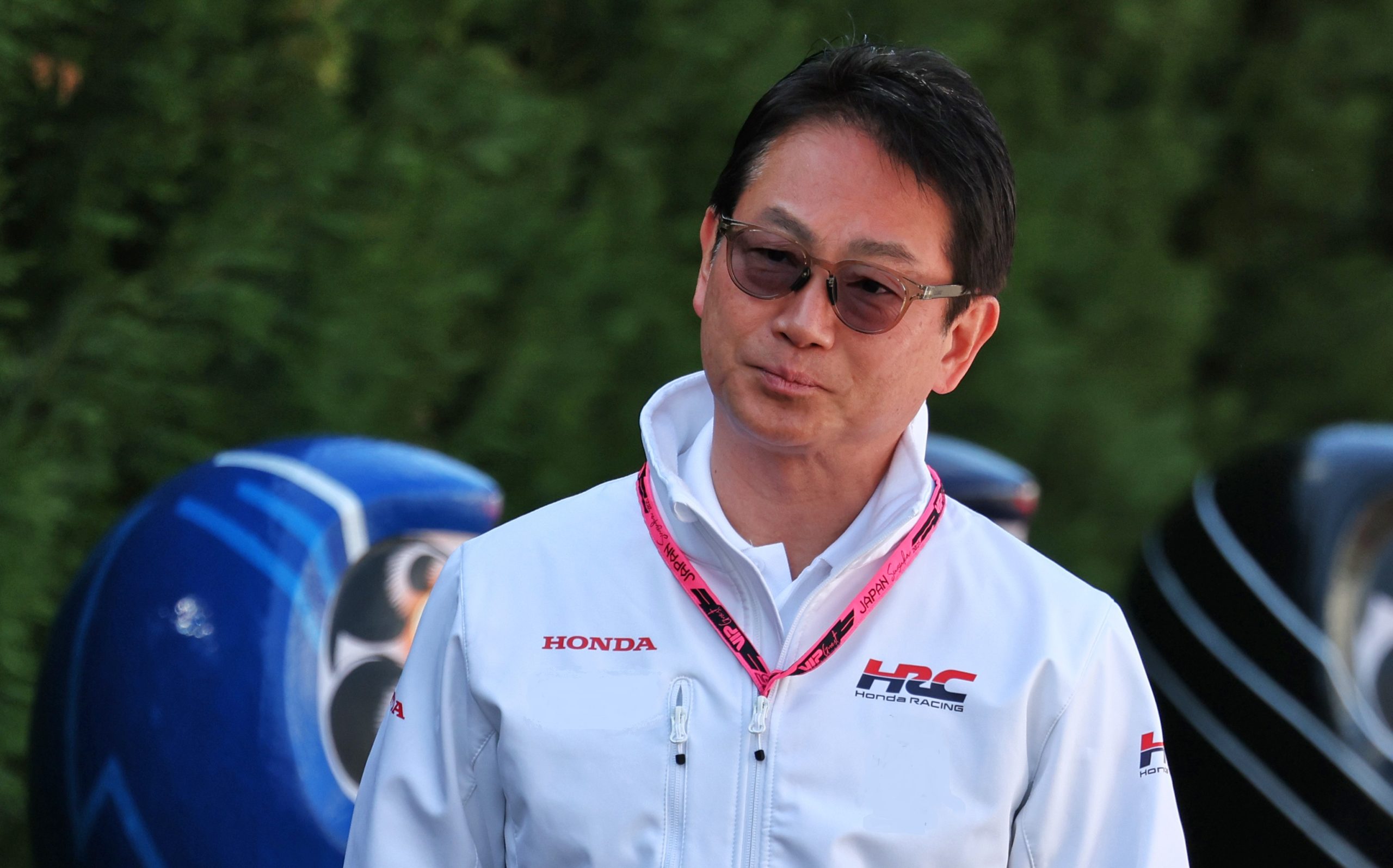
Honda Sounds Alarm on 2026 Engine, Admits Development Is Struggling
Honda's 2026 F1 engine development is off to a troubled start. VP Koji Watanabe warns the program is a "mixed bag" with many struggles, casting a shadow over the team's high hopes with Adrian Newey at Aston Martin.
Honda Racing's vice-president Koji Watanabe has issued a surprisingly blunt warning, admitting the company's 2026 F1 power unit development is a "mixed bag" with many struggles. This sobering assessment casts a shadow over the manufacturer's highly anticipated full-factory return with Aston Martin, a partnership hailed as a potential "silver bullet" to challenge F1's top teams.
Why it matters:
The Honda-Aston Martin partnership, bolstered by the arrival of design genius Adrian Newey, was viewed as a primary threat to Red Bull and Mercedes' dominance under the new 2026 regulations. A power unit that is not competitive or reliable from the start could severely handicap Newey's chassis and put the team on the back foot for years to come in this new era. Watanabe's candidness is rare in F1 and signals genuine concern within the Japanese manufacturer about meeting its own ambitious targets.
The details:
- A "Mixed Bag": Watanabe described the development process as volatile, with some component integrations succeeding while others "fail unexpectedly." He admitted, "Frankly, not everything is going well, so there are many areas where we are struggling."
- Last-Minute Rush: The technical specifications are still in flux with pre-season testing approaching. Watanabe expects development to continue "right up to the very last minute" before the homologation deadline at the end of February.
- The Newey Factor: A key challenge is adapting the power unit to a chassis designed to meet Adrian Newey's "exacting standards." Honda is focused on improving performance and reliability to ensure it complements, rather than compromises, Newey's vision.
- No "Fatal" Flaws: While the situation is concerning, Watanabe insisted no "fatal" issues have emerged that cannot be overcome, suggesting the problems are related to performance and optimization rather than a fundamental design flaw.
What's next:
The immediate focus for Honda is a frantic push to finalize the power unit before the late-February homologation deadline, after which no further development is permitted for the season. The true test will come during pre-season testing and the opening race in Melbourne, where the performance and reliability of the Honda unit will be publicly revealed for the first time. All eyes will be on whether Honda can turn its "mixed bag" of results into a championship-contending package, or if its ambitious return to F1 will begin on the back foot.