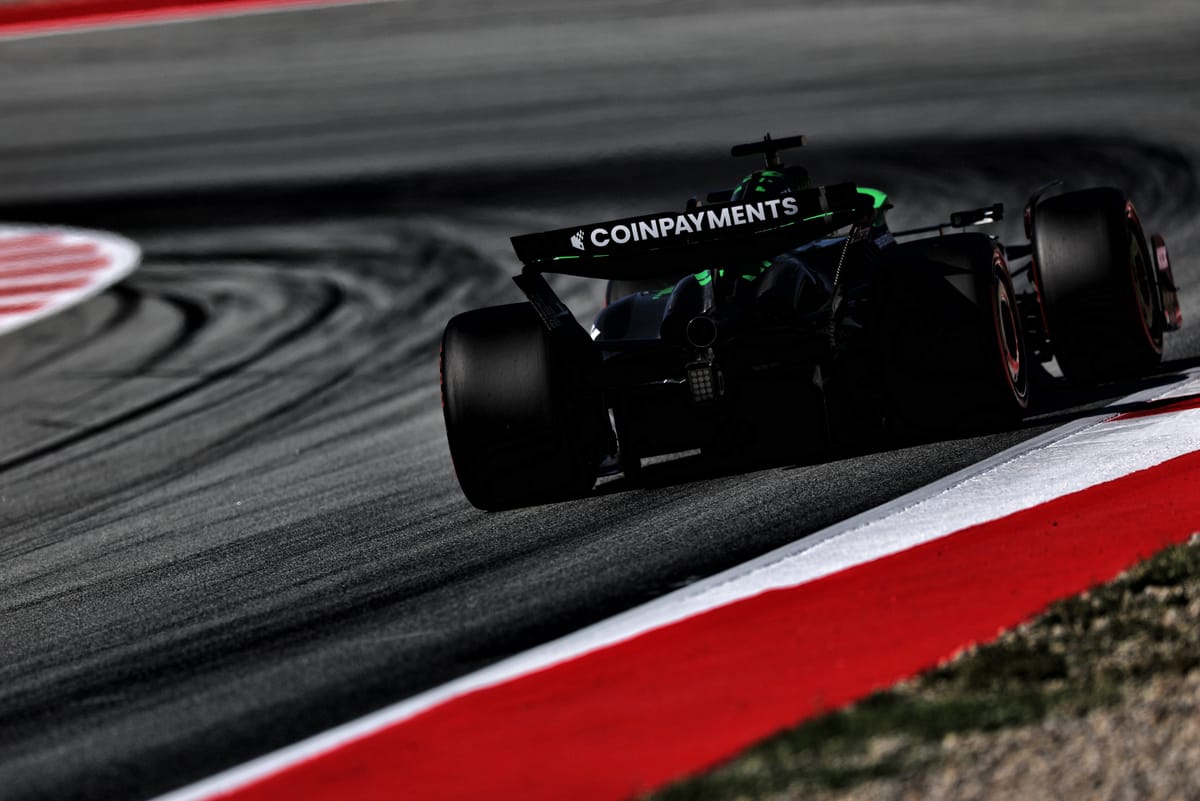
How Audi's 'Special Forces' Team Engineered a 2025 Turnaround
Audi's 2025 season was salvaged by a "special forces" aero team that fixed the car's correlation issues. Their upgrades turned it into a genuine midfield contender, culminating in a podium finish.
Audi's 2025 F1 season was rescued from a disastrous start by a small "special forces" aerodynamics team. Tasked with fixing the uncompetitive Sauber C45, this group of young engineers developed crucial floor upgrades that transformed the car into a genuine midfield contender and delivered a famous podium. This turnaround is a key sign of progress for the brand ahead of its full factory entry in 2026.
Why it matters:
This mid-season recovery provides crucial evidence that Audi is building the technical foundation and team culture needed to challenge at the front of F1. After years of underinvestment and early struggles with correlation issues, proving they can diagnose problems and deliver effective upgrades on track is vital for their long-term 2030 championship ambitions. It builds confidence within the team and credibility externally.
The details:
- The Problem: The car suffered from severe correlation issues, meaning its on-track performance bore no resemblance to promising wind tunnel and simulator data, leaving it uncompetitive and difficult to drive.
- The Solution: Technical Director James Key assembled a "special forces" team of about 10 talented young aerodynamicists, charging them with salvaging the 2025 car while the majority of staff focused on the 2026 project.
- The Upgrades: A "triptych" of floor upgrades introduced across the Spanish, Austrian, and British Grands Prix was the key to the turnaround.
- These changes focused on improving "aerodynamic robustness," making the car less sensitive to airflow stalls and vortex bursts, and therefore more consistent and predictable for the drivers.
- The Result: The upgrades vaulted the car into the fight for regular points, culminating in Nico Hülkenberg's stunning and unexpected podium finish at Silverstone.
Looking ahead:
While development on the 2025 car was halted to focus on the 2026 project, the lessons learned are invaluable. The team's improved understanding of complex underfloor aerodynamics and development tools directly underpins the design of Audi's first-ever F1 power unit and chassis. Combined with new facilities and growing staff, this successful problem-solving culture suggests the team is finally on the right track to become a competitive force in Formula 1.