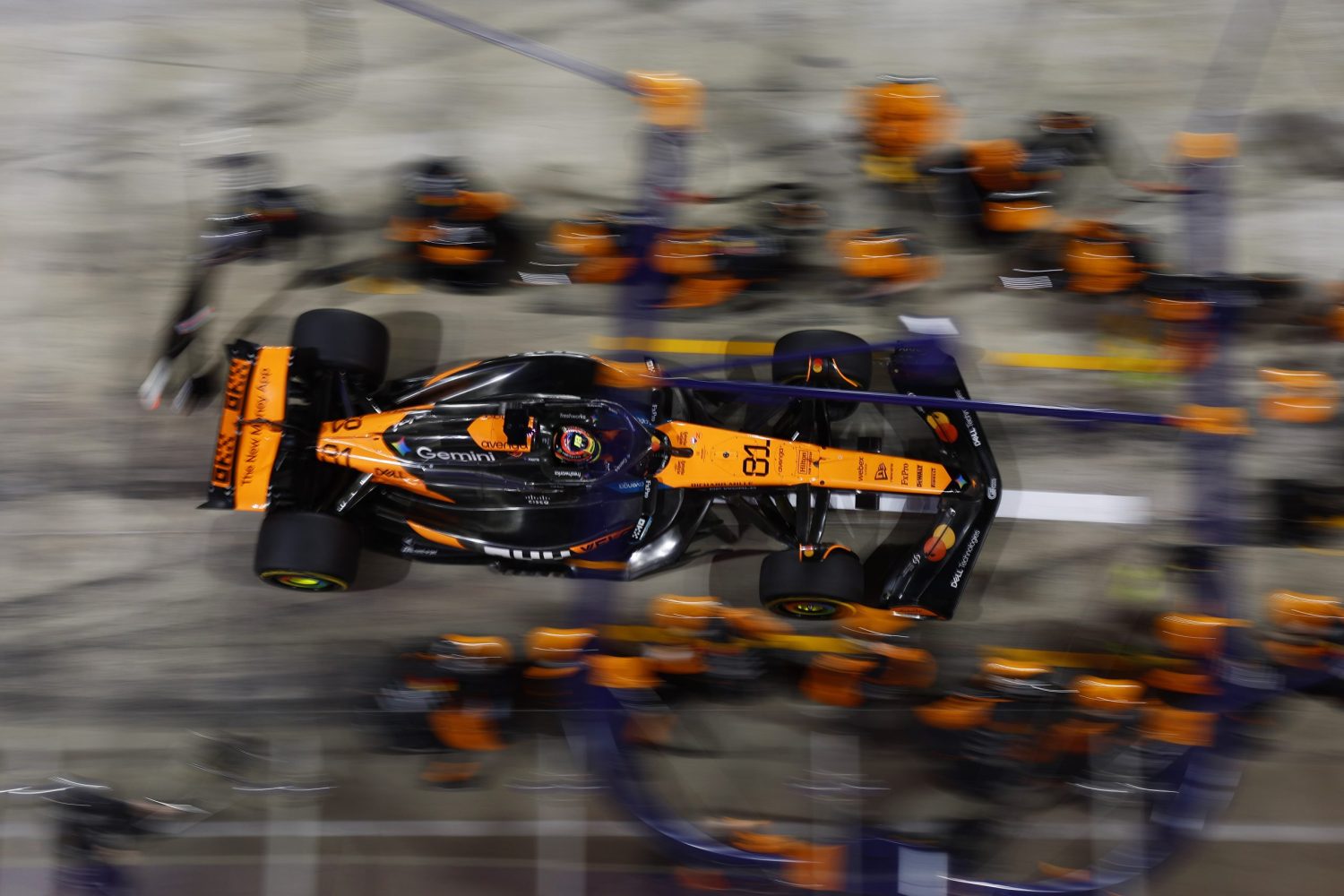
How Dominant Pit Stops Secured McLaren's 2025 Championship
McLaren's 2025 F1 title dominance was fueled not just by car speed, but by a record-breaking pit crew. Their lightning-fast stops, including a 1.91s record, proved decisive in securing the championship.
McLaren swept the 2025 Constructors' and Drivers' championships, but their dominance wasn't confined to the track. A key, often overlooked, weapon was their pit crew, which delivered the fastest and most consistent stops of the season, proving decisive in critical moments and giving the team a crucial edge over their rivals.
Why it matters:
In a sport where championships are won by margins of seconds, pit stop efficiency is a critical, non-negotiable element of success. McLaren's superiority in this area provided them with a consistent strategic advantage, allowing them to gain track position for free and protect their drivers during crucial race phases, ultimately making the difference in a tight title fight.
The details:
- The team's season-defining moment came at the Italian Grand Prix, with a staggering 1.91-second stop for Oscar Piastri—the fastest of the year.
- This stop vaulted Piastri ahead of teammate Lando Norris, who suffered a 5.87-second delay on his subsequent pit stop, creating a potential intra-team controversy.
- McLaren enforced its "papaya rules," instructing Piastri to let Norris back past to protect the Briton's championship challenge, a move made possible by their initial on-track overcut.
- Their consistency was on display earlier in Hungary, with both drivers receiving identical 1.94-second services in a double-stack demonstration.
- McLaren occupied the top three spots on the final season pit stop leaderboard, with Red Bull—the former benchmark—relegated to the next three positions.
The big picture:
McLaren's 2025 success was a testament to total team excellence. While the MCL38 car and its drivers garnered the headlines, the pit crew's performance underscored a holistic operational superiority. They didn't just build a fast car; they built a fast team, setting a new standard for operational efficiency that rivals will now be forced to match.