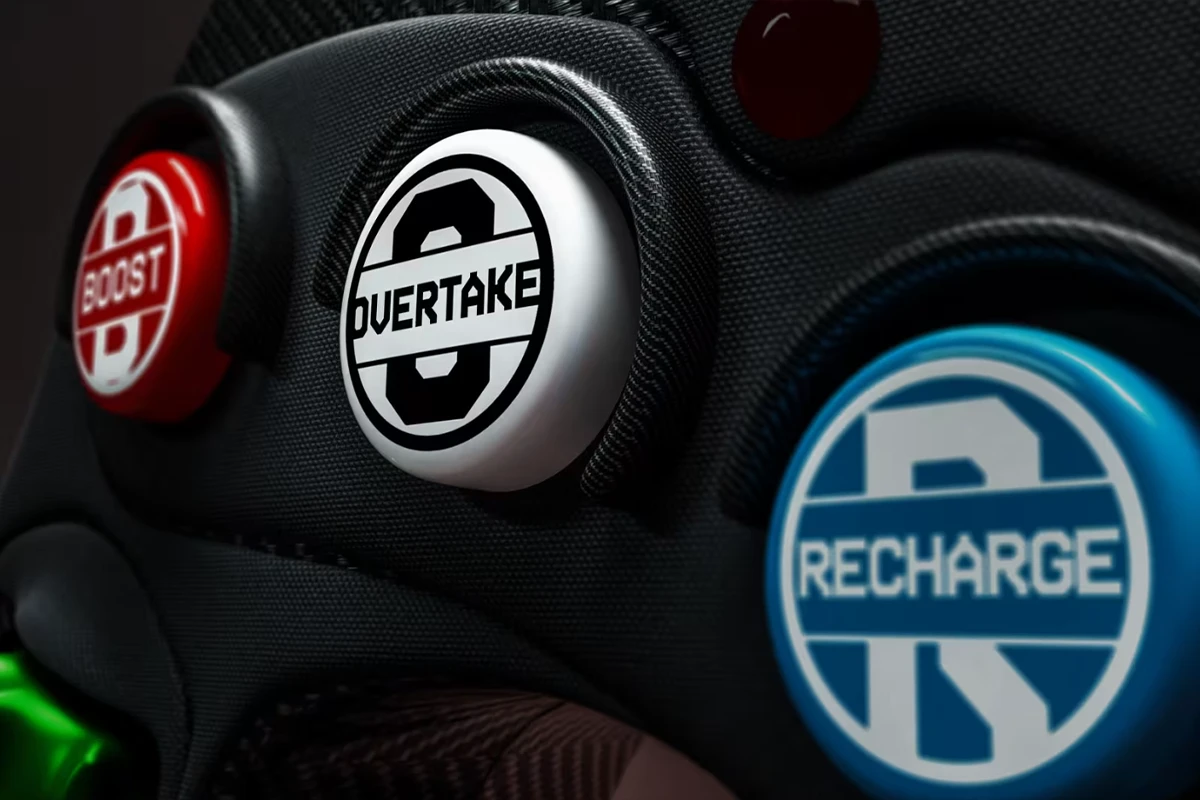
How F1's 2026 Overtake Mode Works: The New Tech Replacing DRS
Formula 1 will introduce a new 'Overtake Mode' in 2026, replacing the current DRS system. It grants a trailing driver a temporary electrical energy boost, making overtaking a more strategic element tied to hybrid power unit management rather than simple aerodynamics.
In 2026, Formula 1 will replace the Drag Reduction System (DRS) with a new 'Overtake Mode', shifting the advantage from aerodynamics to energy management. The system grants a trailing driver a temporary boost in electrical energy, making overtaking a more strategic and energy-dependent maneuver.
Why it matters:
The move from DRS to Overtake Mode represents a fundamental shift in how overtaking is facilitated in F1. It moves the tactical battle from a simple aerodynamic flap to the complex management of the hybrid power unit's energy, aligning with the sport's 2026 technical philosophy of a near 50/50 split between internal combustion and electrical power. This change could make races less predictable and more reliant on driver and team strategy.
The details:
- Activation & Rules: A driver can only activate Overtake Mode if they are within one second of the car ahead at a designated detection point, typically on the approach to the final corner. Once the condition is met, the mode is available for use on the following lap.
- Technical Advantage: The mode allows for an additional 0.5 Megajoules (MJ) of electrical energy to be recuperated and deployed. This raises the total usable energy per lap to 9 MJ, compared to the standard 8.5 MJ for a car not using the mode.
- On-Track Effect: The key benefit is the ability to deploy higher electrical power for a longer duration. This is particularly potent on long straights, enabling a higher top speed to close the gap to the car ahead more effectively.
- Power Curve Benefit: A significant tactical edge comes from the power delivery profile. While a leading car's electrical power begins to taper off from 290 km/h (180 mph), a car in Overtake Mode can access the full 350 kW output of the electric motor up to 337 km/h (209 mph), creating a crucial speed differential.
The big picture:
The introduction of Overtake Mode is perfectly aligned with the new 2026 power unit regulations. The electrical portion of the hybrid system will grow substantially to approximately 350 kW (476 hp), nearly matching the output of the downsized turbocharged internal combustion engine, which will produce around 400 kW (544 hp). This brings F1 closer to an equal split between electric and combustion power, making energy management the central competitive differentiator.
What's next:
The Overtake Mode is not a simple 'push-to-pass' button but a strategic tool that deeply integrates energy management, precise timing, and circuit layout. Its success will depend on how teams optimize their complex energy recovery and deployment strategies. As testing for the 2026 cars begins, the effectiveness of this system in creating genuine, strategic overtaking opportunities will be one of the most watched developments, potentially reshaping race tactics for the next era of Formula 1.