How Verstappen Drove Red Bull's Post-Horner Revival
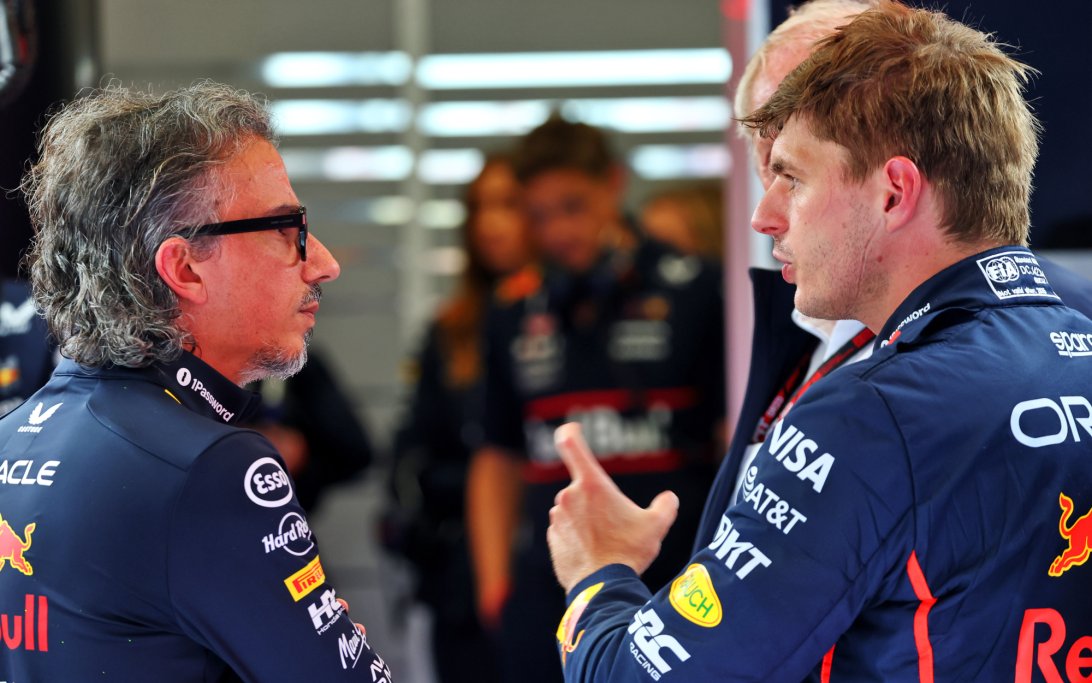
Following Christian Horner's exit, new team boss Laurent Mekies centered Red Bull's strategy on Max Verstappen's feedback, sparking a dramatic 2025 comeback and reshaping the team's development process for the future.
After a difficult start to the 2025 season saw Red Bull fall behind McLaren, the team underwent a major leadership change. New team principal Laurent Mekies immediately shifted the team's philosophy, elevating Max Verstappen's driver feedback to the core of their development strategy. This driver-centric approach ignited a late-season championship charge and fundamentally transformed the team for the future.
Why it matters:
Red Bull's ability to diagnose its issues and implement a radical mid-season transformation demonstrates a level of adaptability that is rare in modern F1. The move underscores the critical, often underestimated, value of elite driver feedback as a development tool, placing Verstappen's insights on par with data from simulators and wind tunnels. By establishing a more efficient and responsive development cycle, Red Bull may have built a crucial foundation for success ahead of the massive 2026 rules reset.
The details:
- The 2025 season began with the RB21 struggling with correlation issues between Red Bull's aging wind tunnel and on-track performance, leaving them consistently behind McLaren.
- A mid-season leadership shake-up saw Christian Horner dismissed and replaced by Laurent Mekies, who immediately prioritized a new development philosophy.
- Mekies empowered Verstappen, giving him greater influence over car setup and development direction, a departure from the previous data-heavy approach.
- This new trust was exemplified at Monza, where Verstappen was allowed to run an extreme setup with a new floor, leading to a dominant victory that catalyzed his championship comeback.
- The result was a remarkable late-season surge, with Verstappen pushing Lando Norris to the final round and ultimately missing the title by just two points.
What's next:
Red Bull's primary focus now shifts to applying this revitalized, driver-centric methodology to the challenge of building a competitive car for the 2026 regulation changes. The team has learned how to extract performance more efficiently, a critical skill that will allow for faster development cycles and quicker problem-solving. Verstappen's established role as a development leader, alongside feedback from teammate Isack Hadjar, will be crucial in establishing a stable and adaptable platform for the new era. While the 2025 title was lost, the transformation has potentially positioned Red Bull to be a more formidable and responsive contender in the long term.