Inside F1's New High-Tech Fuel Flow Meter for 2026
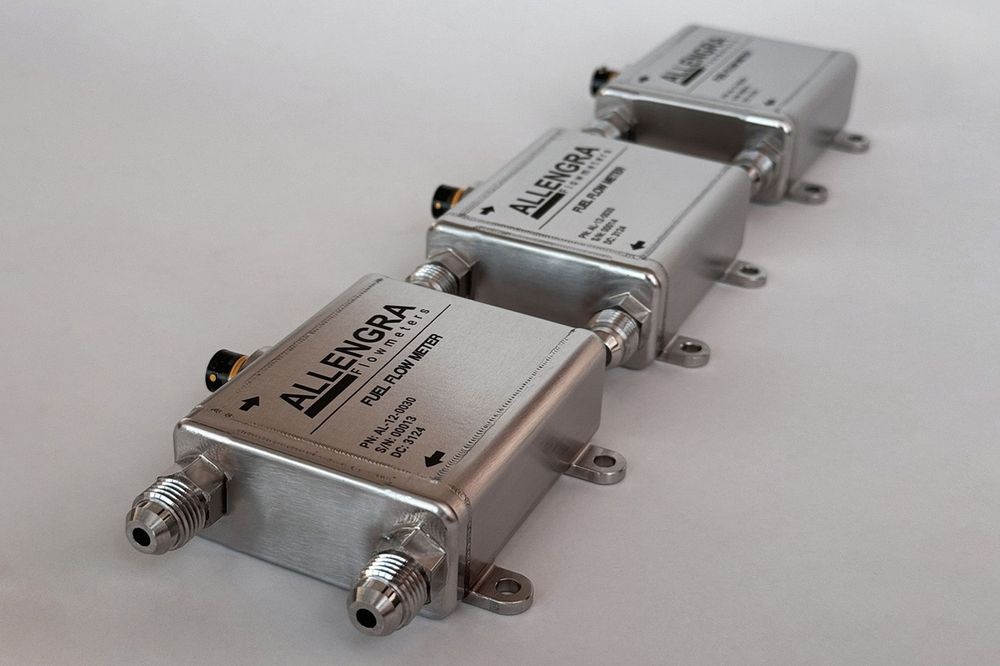
F1 is introducing a sophisticated new fuel flow meter for 2026 from supplier Allengra. It's designed to be more secure against manipulation and will measure fuel energy flow, adding a new strategic layer to the sport.
Formula 1 is set to introduce a highly advanced new fuel flow meter for the 2026 season, designed to be significantly more secure and measure a critical new parameter: fuel energy flow. Supplied by Allengra, this single device consolidates the team and FIA meters into one unit, using multi-layered anti-tampering technology to ensure regulatory compliance. This shift not only enhances policing but also turns fuel energy density into a key strategic battleground for manufacturers.
Why it matters:
The flow meter is the ultimate enforcer of F1's performance regulations, and past controversies have highlighted its vulnerability to manipulation. This new, multi-layered system is designed to be tamper-proof, ensuring all teams operate under the same fuel constraints and upholding the integrity of the sport. Crucially, the introduction of energy flow measurement transforms fuel from a simple consumable into a strategic performance variable, sparking a new development race among suppliers.
The details:
- New Supplier, New Design: Allengra won the tender to supply the new meters, consolidating the separate team and FIA units into a single, compact device.
- Multi-Layered Security: The system uses two pipes with different geometries and operates at different, protected measurement frequencies. This makes it nearly impossible for teams to synchronize with the FIA's encrypted data stream.
- Ultrasonic Speed: The meter uses ultrasonic "time of flight" technology, measuring fuel flow up to 6,000 times per second—three times faster than the current sensors—to ensure extreme accuracy.
- The Energy Parameter: For 2026, the FIA will limit fuel energy flow to 3000 MJ/h. The meter will measure mass flow, which the ECU will then convert to energy flow using the fuel's pre-certified energy density. This means more energy-dense fuels require less mass, potentially offering a weight advantage.
What's next:
The focus will now shift to the fuel suppliers. Manufacturers who can develop fuels with higher energy density will gain a significant strategic advantage, allowing them to run with less fuel weight for the same energy output. This new technical challenge is set to become a quiet but critical front in the competitive landscape of the 2026 regulations, adding another layer of intrigue to the new era.