Jacques Villeneuve explains why McLaren's 'papaya rules' are ridiculed in F1 paddock
Jacques Villeneuve says McLaren's "papaya rules" are mocked simply because the team gave a name to standard driver conduct protocols. He argues every team has such rules but branding them made McLaren a target, as seen in the controversial team orders at Monza.
Former F1 champion Jacques Villeneuve has pinpointed why McLaren's internal team rules have become a source of mockery among rivals, attributing it to the simple act of giving them a catchy nickname. The so-called "papaya rules"—which essentially mandate clean racing between Lando Norris and Oscar Piastri—are standard practice across the grid, but Villeneuve argues that branding them made the team a target.
Why it matters:
In a sport where psychological edges and team dynamics are critical, McLaren's very public framing of basic operational principles inadvertently created a narrative for criticism. This highlights how off-track perception and internal messaging can impact a team's reputation, even when its on-track performance is dominant, as seen in their 2025 constructors' championship win.
The details:
- Villeneuve clarified that the rules themselves are not unusual. Every team expects its drivers to avoid collisions and race fairly.
- The issue, according to the 1997 champion, is that McLaren gave these standard protocols a distinctive name—"papaya rules"—linked to the team's color scheme, making them easily identifiable and, therefore, open to ridicule.
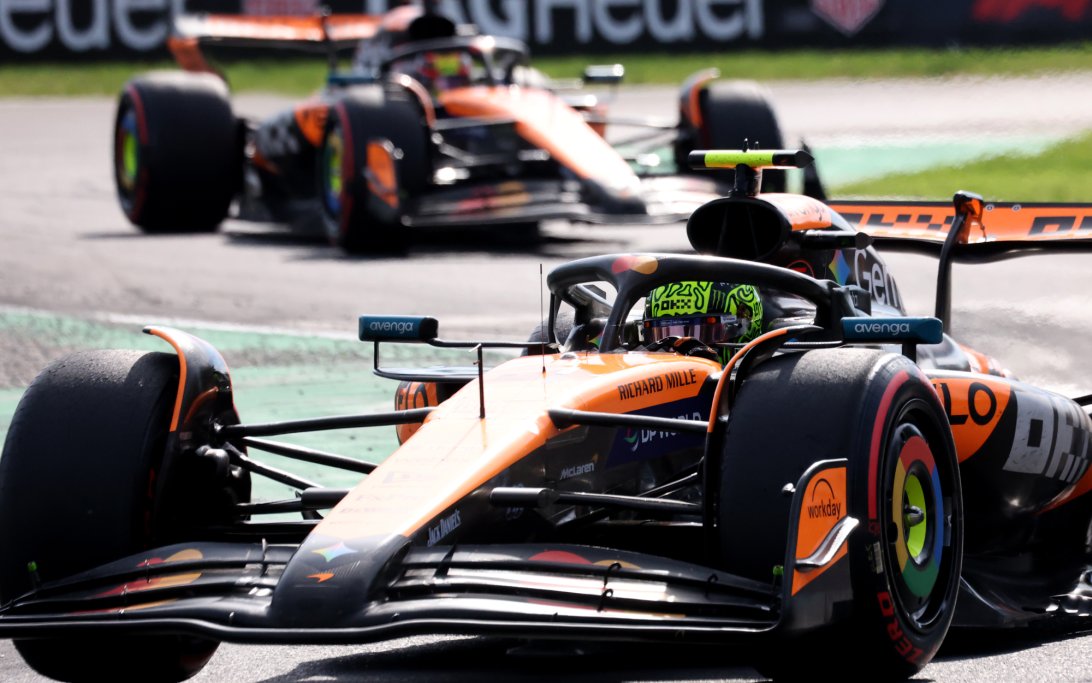
- The most cited example of these rules in action occurred at the 2025 Italian Grand Prix. A strategic error during pit stops saw Norris emerge behind Piastri, prompting the team to issue orders for Piastri to let Norris back through, correcting the team-made error.
- This decision proved highly controversial, especially as both drivers were locked in a tight intra-team championship battle, dividing opinion throughout the paddock on the ethics and optics of the call.
The big picture:
The discussion around the papaya rules ties into McLaren's broader season philosophy of maintaining strict neutrality between Norris and Piastri. The team refused to designate a number-one driver for the title fight, even as Max Verstappen from Red Bull closed in during the final stages. This approach, combined with late-season operational mistakes in Las Vegas and Qatar, nearly cost Norris the drivers' title, which he secured by a narrow two-point margin over Verstappen. Villeneuve noted that despite having the clear best car for much of the year, the drivers' championship was unexpectedly difficult to secure, and losing it would have been "very embarrassing."
Looking ahead:
The episode serves as a lesson in F1's high-stakes environment, where every detail, including internal policy branding, is scrutinized. While McLaren's car performance was unquestioned, the season revealed how management decisions and public perception can complicate even the most dominant campaigns. The team will likely aim to carry its technical strength into 2026 while refining its strategic and internal communications approach to avoid similar distractions.