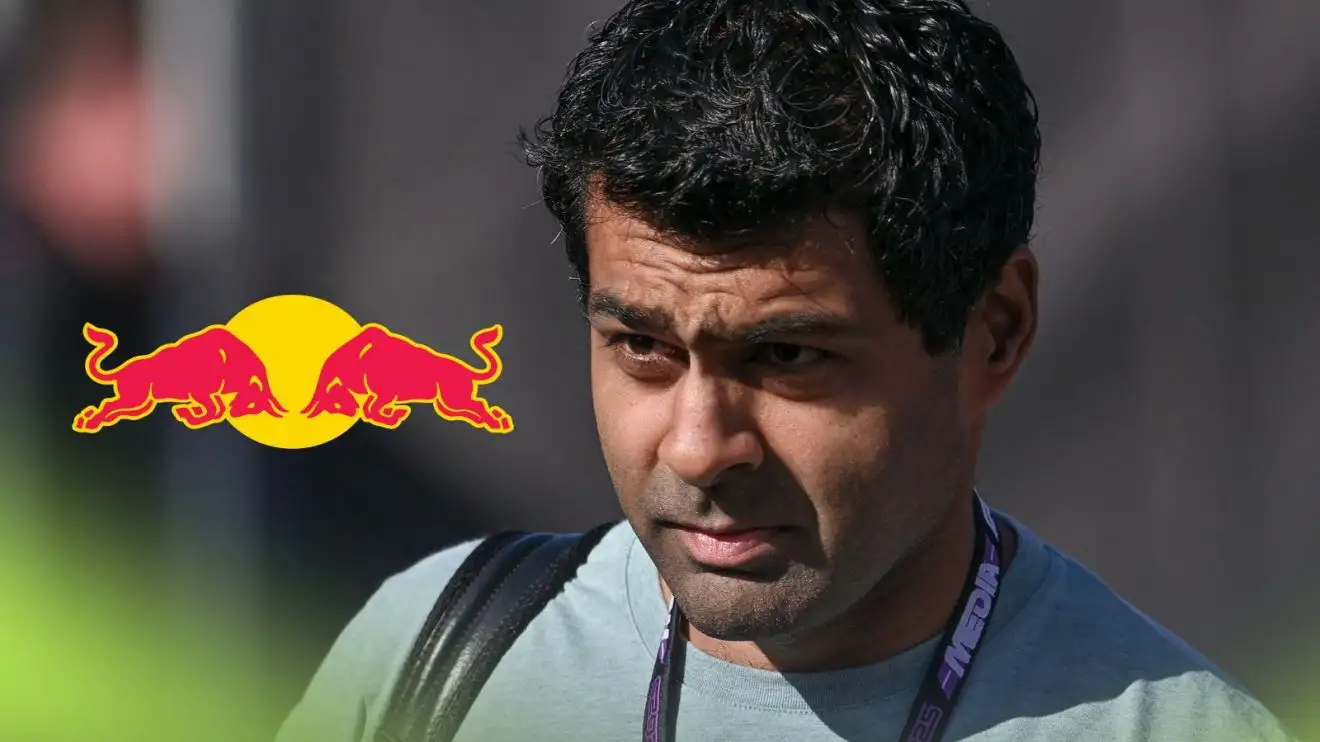
Karun Chandhok Recalls Leaving Red Bull on 'Good Terms'
Former Red Bull junior Karun Chandhok shares anecdotes about Helmut Marko's tough management, revealing he's one of the few who left the team on "good terms."
Former Red Bull junior driver Karun Chandhok has revealed he's among the rare few to leave the team's driver program on "good terms" with Christian Horner and Helmut Marko. Despite the amicable split, Chandhok still experienced the full force of Marko's famously blunt and demanding management style, which he credits for producing results and shaping champions.
Why it matters:
Chandhok's insights offer a rare, humanizing look into the Red Bull leadership culture that has dominated F1 for years. This perspective is particularly relevant now following the recent departures of both Horner and Marko, ending a two-decade era at the top of the team. It highlights the high-pressure, no-nonsense environment that forged champions like Sebastian Vettel and Max Verstappen, showing that the tough love approach was a deliberate, if harsh, strategy for success.
The details:
- Chandhok stated he chose to leave the Red Bull junior program in 2008 because he saw no path to a Toro Rosso (now AlphaTauri) seat, but managed to depart on good terms with both Horner and Marko.
- He recalled classic "vintage Marko" moments, including being hung up on mid-sentence while explaining a race weekend and being called "an old man" at age 24 in the Valencia paddock.
- Despite the harshness, Chandhok gives Marko immense credit for his bold, results-driven decisions, singling out the call to promote a young Max Verstappen directly from F3 to F1 as a prime example of his visionary approach.
The big picture:
The departure of both Horner and Marko marks the end of an era for Red Bull, a team built on their distinct and often uncompromising leadership styles. As the team transitions under new management, stories like Chandhok's serve as a reminder of the ruthless efficiency and high-stakes culture that defined its period of unprecedented success. The challenge for the new leadership will be to maintain that winning edge while potentially evolving the team's internal dynamics.