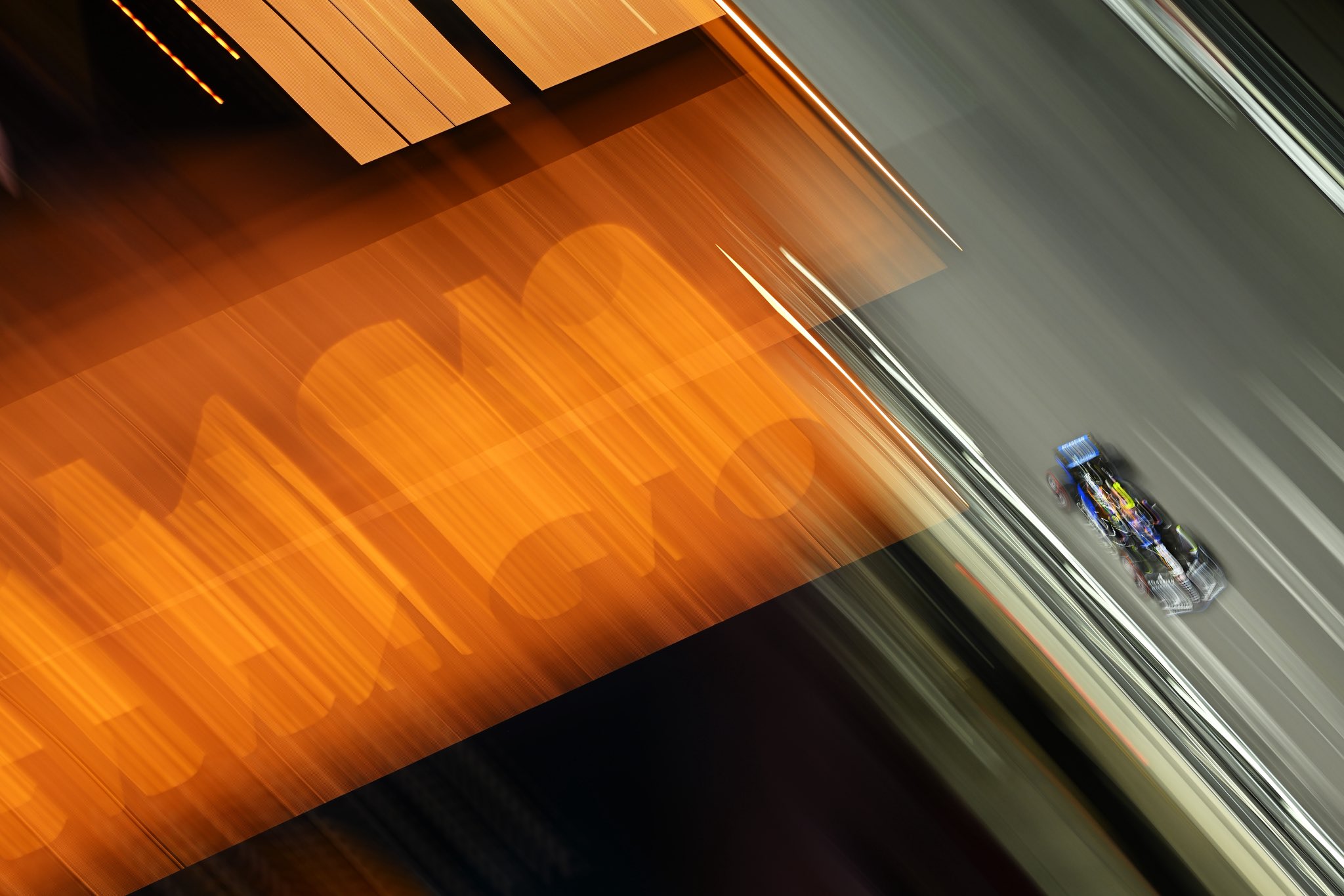
Las Vegas Speed Trap: Who Was the Fastest in Qualifying?
Charles Leclerc led the speed trap in Las Vegas qualifying, leveraging Ferrari's low-downforce wing on a surprisingly wet track. Despite treacherous conditions, teams aimed for aggressive low-downforce setups to exploit the circuit's long straights. The race strategy is expected to be a one-stop, Medium-to-Hard, but in typical Vegas fashion, unexpected events could easily upend all predictions.
Formula 1 teams arrived in Las Vegas armed with two years of data, but that advantage evaporated the moment the weekend descended into disrupted sessions and – for the first time in Sin City – a fully wet track. Despite the treacherous conditions, setups were geared aggressively toward low-downforce trim to exploit the circuit’s vast straights, especially the 1.8km blast down the Strip where cars rocket past Vegas’ glittering landmarks.
Why it matters:
- The unique challenges of a wet Las Vegas track for the first time meant teams had to adapt quickly, with straight-line speed still a crucial factor given the circuit's layout.
- Qualifying speed trap numbers, though anecdotal due to conditions, offer a glimpse into team setups and engine performance under pressure, especially on a circuit known for its long straights.
The details:
- Charles Leclerc topped the speed trap readings, largely due to Ferrari’s Monza-spec rear wing, which is designed for minimal drag and is the least loaded among the front-runners.
- The unusually wide spread across the field in speed trap numbers reflected the track’s rapid evolution during qualifying, transitioning from extreme wets to intermediate conditions.
- George Russell's Mercedes also posted strong straight-line numbers, despite carrying slightly more downforce, benefiting from improved tire temperature management.
- The session avoided any red flags, a testament to the grid’s finesse in conditions that offered little margin for error, with the exception of Alex Albon’s misjudgment.
The big picture:
- Teams had planned their setups aggressively for low downforce to maximize speed on the long straights of the Las Vegas Strip Circuit.
- The unexpected wet conditions during qualifying forced drivers and teams to balance straight-line speed with the necessary grip for survival, making the speed trap data a mix of strategic intent and situational adaptation.
What's next:
- With dry conditions expected for the race, Pirelli projects a Medium-to-Hard one-stop strategy as the quickest option, though high graining on the Soft compound makes it a risky choice.
- Pirelli chief Mario Isola also sees potential in a Medium-Hard-Hard two-stop for teams that saved an extra set of the most durable compound.
- However, in Vegas, a single misplaced drain cover, a late safety car, or an ambitious lunge under the lights can shred any carefully crafted plan, suggesting chaos could still dictate the outcome.