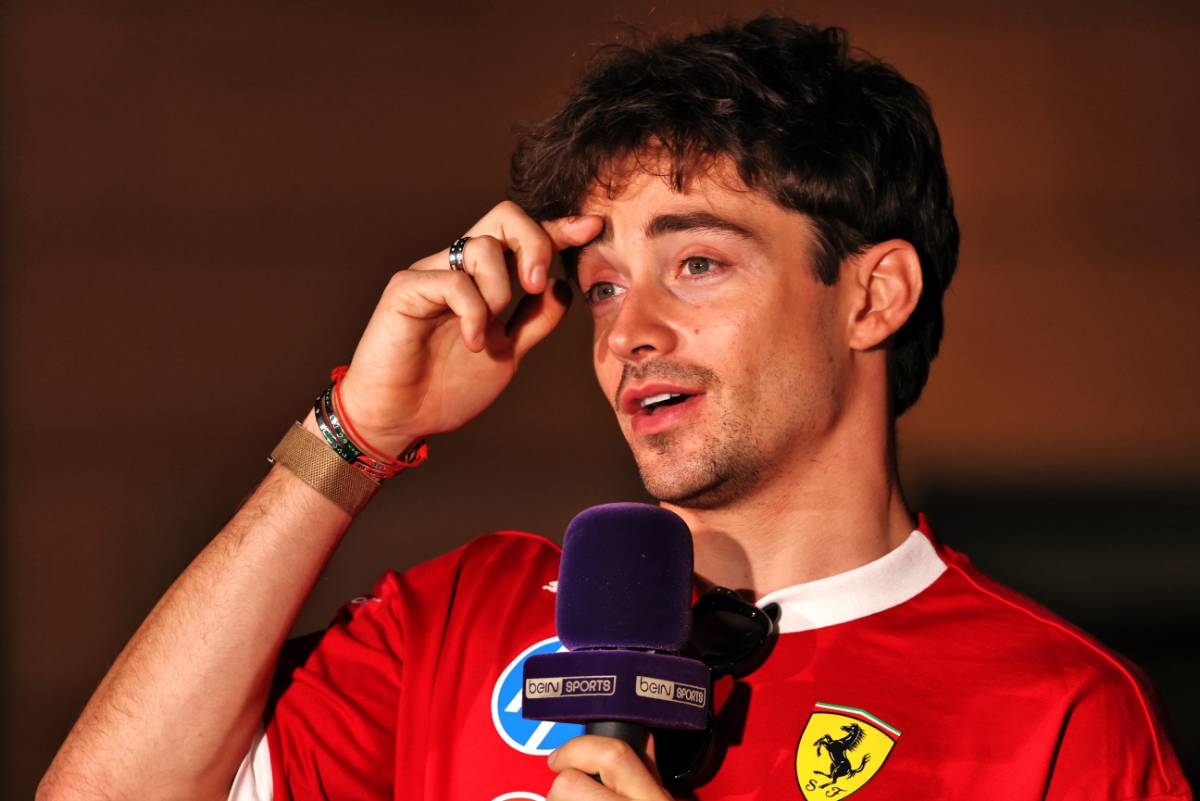
Leclerc Softens Stance on 2026 F1 Cars After Simulator Sessions
Charles Leclerc has shifted his stance on Formula 1's 2026 cars, moving from skepticism to intrigue after recent simulator sessions. The Ferrari driver initially voiced concerns about the radical aerodynamic and hybrid changes but now embraces the strategic challenges. His evolving perspective highlights the complex development work underway and the anticipated emphasis on energy management and driver adaptability in the next generation of F1 racing.
Charles Leclerc has shifted his perspective on Formula 1's 2026 cars, moving from initial skepticism to a more intrigued outlook after recent simulator sessions at Ferrari's Maranello HQ. The Monegasque driver, who previously admitted he was “not a fan” of the first sim experience, now embraces the challenge presented by the radical new technical regulations.
Why it matters:
Ferrari's pursuit of a breakthrough engine could dramatically reshape the competitive landscape of F1. A powerful yet reliable power unit is crucial for a team aiming to challenge the established frontrunners and return to championship contention, a position they haven't held consistently since 2018. Leclerc's evolving view highlights the ongoing development and adaptation required from drivers and teams as they prepare for a significant technical overhaul, which promises to introduce complex strategic elements to racing.
The Details:
- Leclerc, an eight-time Grand Prix winner, was among the first drivers to publicly react to the 2026 car concept earlier this year, expressing concerns about the dramatic changes in aerodynamics and the hybrid power unit's energy management demands.
- After further simulator runs, his perspective has evolved. He stated, “I enjoy the challenge of thinking differently,” emphasizing how the iterative process at Ferrari has helped him adjust.
- The simulation work has become a complex exercise in strategy, energy management, and adaptability, going beyond just raw lap times.
- Leclerc noted that the process of “thinking as a group in what clever ways we can find in order to tackle some issues that we’ll have with next year’s car, it has been a very interesting process.”
- He also highlighted the importance of driver feedback in determining “the tools that we need to manage different kinds of situations,” especially regarding fighting with other cars during the race.
What's next:
While Leclerc remains cautiously optimistic, he acknowledges that the true measure of enjoyment will only come behind the wheel of the real car. He admitted, “At the sim, it’s difficult to actually get those feelings. But for sure, there will be a lot more thinking when driving and especially during the race to manage that energy that we’ll have added next year.” For now, Leclerc's updated stance adds an air of intrigue, signaling that the Ferrari star is mentally primed for a season of strategic challenges, energy battles, and adapting to unprecedented technical constraints, with the ultimate thrill of racing awaiting the real car's debut on track.