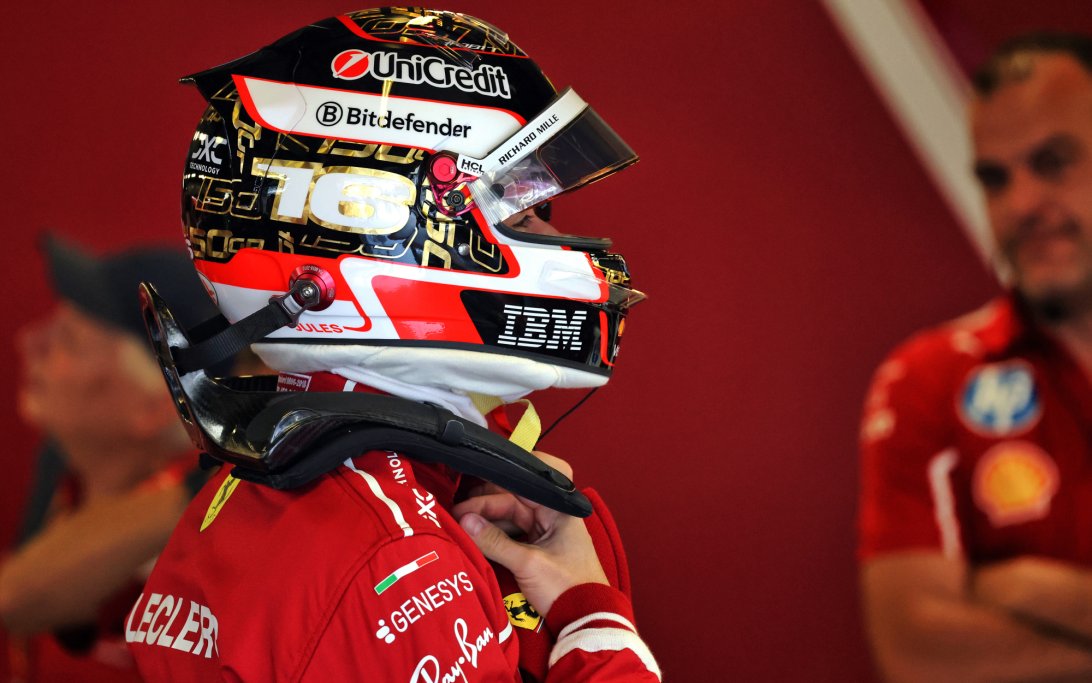
Leclerc Warms to 2026 F1 Cars After Simulator Work
Charles Leclerc, initially critical of the 2026 F1 cars, now sees them as an interesting challenge after collaborative simulator sessions with Ferrari engineers.
Charles Leclerc has softened his initial criticism of the 2026 F1 cars, shifting from skepticism to embracing the "challenge of thinking differently" after extensive simulator work with Ferrari. The Monegasque driver, who previously stated he was "not a big fan" of the new regulations, now finds the collaborative engineering process to tackle the cars' unique characteristics "very interesting." He reserves final judgment, however, for the real-world test in Barcelona.
Why it matters:
Leclerc's initial skepticism was a potential red flag for the new era, which features a significant 50/50 power split between the combustion engine and electric motors. His newfound optimism, born from hands-on collaboration, suggests the new cars, while different, may still offer the demanding and engaging experience drivers and fans crave. A top driver's endorsement is crucial for the success of such a major regulatory overhaul.
The details:
- Leclerc's first sim session was "very strange," sparking questions and a deep dive with the factory to find "clever ways" to tackle the new car's issues.
- The driver's role has shifted to providing detailed feedback on "feelings" and the "tools" needed to manage different situations, emphasizing a greater mental component to driving.
- A key focus for 2026 will be energy management during races, a direct consequence of the increased electric power deployment.
- The first on-track test for the new cars is scheduled for a private session in Barcelona at the end of January, where Leclerc will get his true first impression.
What's next:
The true test will come at the end of January when Leclerc and other drivers get behind the wheel of the 2026 cars for the first time during the closed-door test in Barcelona. While the simulator work has been promising, the physical sensations and on-track behavior will ultimately determine if the new regulations deliver a competitive and exciting product for the teams and the fans.