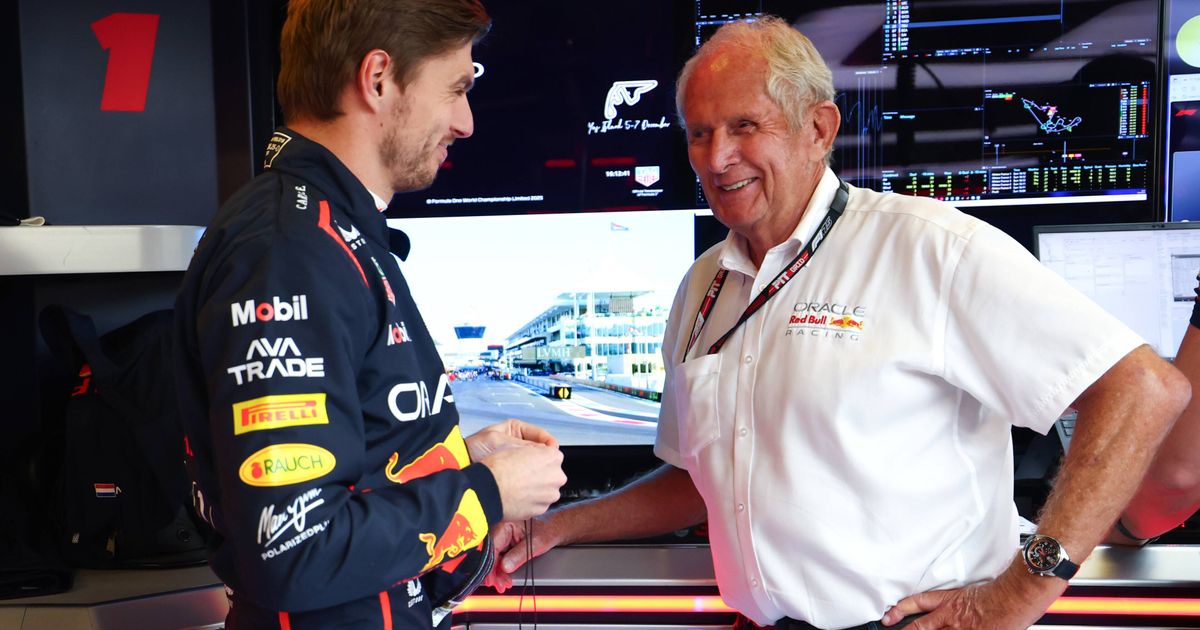
Marko confident in Red Bull's 'risky' 2026 engine project
Helmut Marko backs Red Bull's risky strategy to develop its first in-house F1 engine for 2026, citing strong team leadership and a 'no risk, no fun' philosophy. He believes the team is well-positioned for the major regulation reset, despite the inherent challenges of becoming a full powertrain manufacturer.
Helmut Marko has expressed strong confidence in Red Bull's structure and direction ahead of the 2026 regulation overhaul, despite acknowledging the significant risk involved in developing its first-ever in-house Formula 1 power unit. The former advisor highlighted the team's leadership and the foundational 'no risk, no fun' principle shared with late founder Dietrich Mateschitz as key reasons for his optimism.
Why it matters:
The 2026 season represents the biggest technical reset in recent F1 history, with new chassis and power unit rules set to scramble the competitive order. Red Bull's decision to build its own engine for the first time is a monumental and expensive undertaking. Success would cement its status as a true constructor powerhouse, while failure could see it lose the dominant position it has held since the last major regulation change in 2022.
The details:
Marko's confidence stems from two core pillars: leadership and philosophy.
- Leadership Structure: He specifically praised the team principals at Red Bull Racing and its sister team, Racing Bulls, stating the organization is "well-positioned" with "two good team principals in Laurent Mekies and Alan Permane." This endorsement suggests stability and capable management are in place to navigate the coming challenges.
- In-House Engine Gamble: The central risk is Red Bull Powertrains' first fully self-developed F1 engine. Marko confirmed this is a "huge step" that "carries certain risks," moving the team from a customer of Honda (and previously Renault) to a full manufacturer.
- Foundational Philosophy: He directly linked this risky approach to the ethos established with Dietrich Mateschitz, quoting their shared principle: "no risk, no fun." This indicates the aggressive strategy is a deliberate cultural choice, not an accidental path.
Looking ahead:
The true test will come on track in 2026. While Marko projects confidence, the reality of the development race is stark. Other manufacturers like Mercedes, Ferrari, and Audi (taking over Sauber) are pouring resources into their 2026 projects. Red Bull's late start in engine manufacturing compared to these established players means it must execute flawlessly to avoid a performance deficit. The team's current success buys it goodwill, but 2026 will be a definitive reset where past titles offer no advantage.