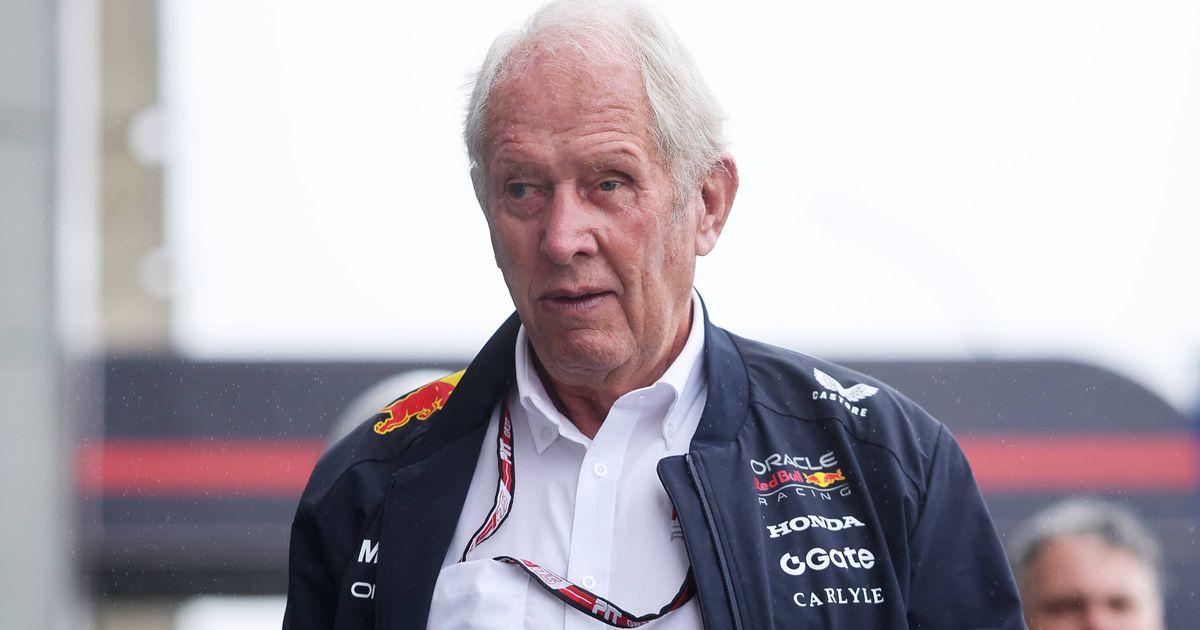
Marko's Exit Marks Red Bull's Shift Toward Corporate Professionalism
Helmut Marko's unofficial departure ends his controversial tenure at Red Bull Racing. Once a key architect, his recent role was largely ceremonial amid growing tensions with team leadership. The move signals Red Bull's shift toward corporate professionalism over outspoken personalities.
Helmut Marko's departure from Red Bull Racing—though not yet official—represents less a loss than a strategic recalibration. The Austrian advisor, once instrumental in building the team's dynasty, had long operated in a ceremonial capacity while his unfiltered commentary increasingly clashed with the organization's modern corporate identity.
Why it matters:
Marko's exit crystallizes Formula 1's evolving culture where media-trained professionalism supersedes old-school outspokenness. His frequent controversies—like blaming rookie Andrea Kimi Antonelli for Lando Norris passing Max Verstappen in Qatar—forced Red Bull to issue damage-control statements, revealing how his style now conflicts with the team's operational needs despite his historical significance.
The Details:
- Diminished Role: While attending every race, Marko hadn't held operational authority for years, functioning primarily as Verstappen's informal confidant rather than a decision-maker.
- Controversy Catalyst: His Qatar GP remarks about Antonelli sparked social media backlash against the Mercedes-bound rookie, requiring Red Bull's public relations team to quietly distance themselves the next day.
- Power Struggle Fallout: Marko's bitter feud with former team principal Christian Horner—reportedly contributing to Horner's exit—highlighted internal fractures. Red Bull GmbH now appears determined to eliminate such destabilizing dynamics.
- Media Persona vs Reality: Though cherished by journalists for unfiltered access, Marko's blunt style became a liability for a team prioritizing controlled messaging in F1's increasingly corporate environment.
What's next:
Red Bull's transition reflects broader paddock trends where technical directors and data-driven executives replace personality-driven leadership. The team will likely maintain Marko's legacy through:
- Continued development of young driver programs he championed
- Strategic retention of his historical insights in advisory capacities
- Tighter media protocols preventing unilateral statements
This shift won't diminish Marko's legendary status—he remains one of F1's last authentic voices—but confirms Red Bull's commitment to operating by modern corporate playbook. As rival teams increasingly professionalize, Marko's departure signals that even iconic figures must adapt or exit when their style conflicts with organizational evolution.