McLaren Explains Costly Qatar Grand Prix Strategy Error
McLaren team principal Andrea Stella explained the critical strategic error at the Qatar Grand Prix where the team chose not to pit during an early Safety Car. This decision, made in the belief that rivals wouldn't all pit, allowed Max Verstappen and others to gain a 'cheap stop' advantage. Despite superior pace and a recovery to second and fourth, the time lost from two full-length pit stops under green flag conditions proved insurmountable, highlighting the high stakes of F1 strategy.
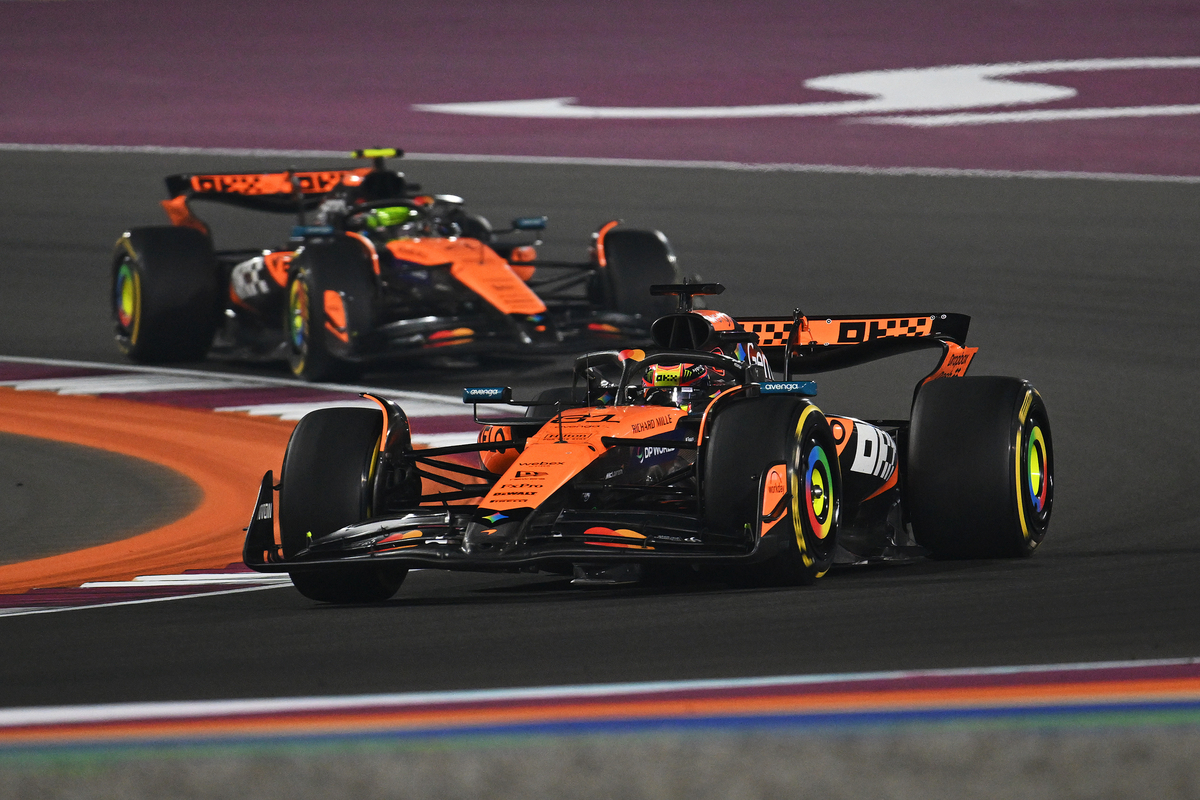
McLaren team principal Andrea Stella has clarified the strategic misstep that derailed a promising Qatar Grand Prix, ultimately paving the way for Max Verstappen's victory and leaving both Oscar Piastri and Lando Norris to rue lost opportunities. Despite holding a strong position with Piastri on pole and Norris well in contention, McLaren chose not to pit either driver during an early Safety Car, a decision that proved costly.
Why it matters:
McLaren's uncharacteristic strategic blunder in Qatar highlights the razor-thin margins in Formula 1, where a single decision can dramatically alter race outcomes. For a team on an upward trajectory, learning from such errors is crucial for sustained competitiveness and future championship bids. This miscalculation gifted their rivals an advantage and underscores the importance of quick, decisive strategy calls under pressure.
The Details:
- Early Race Scenario: Piastri started from pole, with Norris also in a strong position, and McLaren cars demonstrated superior raw speed early in the race.
- Safety Car Incident: On Lap 7, a collision between Nico Hülkenberg and Pierre Gasly triggered an early Safety Car.
- McLaren's Decision: McLaren chose not to pit either of its drivers, hoping to maintain track position.
- Competitors' Response: Nearly all other teams, including Red Bull with Max Verstappen, immediately pitted their cars for a 'cheap stop' under the Safety Car.
- Rationale for Not Pitting: Team Principal Andrea Stella explained that McLaren did not expect the entire field behind them to pit. He also cited concerns about the potential time loss for the second driver during a double-stack pit stop.
- Acknowledged Error: Stella admitted, "it wasn't the correct decision," acknowledging the misjudgment post-race.
- Consequences: Piastri and Norris were forced to make their mandatory two full-length pit stops under green-flag conditions, losing significant track time and positions. This scenario was precisely what Pirelli's 25-lap stint limit was designed to penalize.
- Race Outcome: Despite their superior pace, the time lost was insurmountable. Piastri recovered to second, and Norris to fourth, but Verstappen had already built an unassailable lead.
High Degradation Seals McLaren's Fate:
Stella further elaborated that unusually high tire degradation played a significant role in preventing McLaren from recovering their lost ground. While they hoped their car's pace could open enough of a gap, the tires simply couldn't sustain it.
- "Any other safety car would have put us in a very strong position," Stella noted, indicating the flexibility they had hoped for.
- However, the prescribed strategy for those who pitted early (e.g., Lap 7-32-57) proved highly effective due to the high degradation levels.
- "We thought that the pace in the car also could have allowed us to open enough of a gap, but there was a much higher degradation and therefore we couldn't exploit the pace of the car entirely," he explained.
What's next:
McLaren is committed to reviewing the incident and learning from the mistake. As the title fight intensifies and the season heads towards its finale, such strategic lessons become even more critical for the team's ongoing development. The team aims to respond strongly in upcoming events, understanding that every decision holds significant weight in their pursuit of the top.