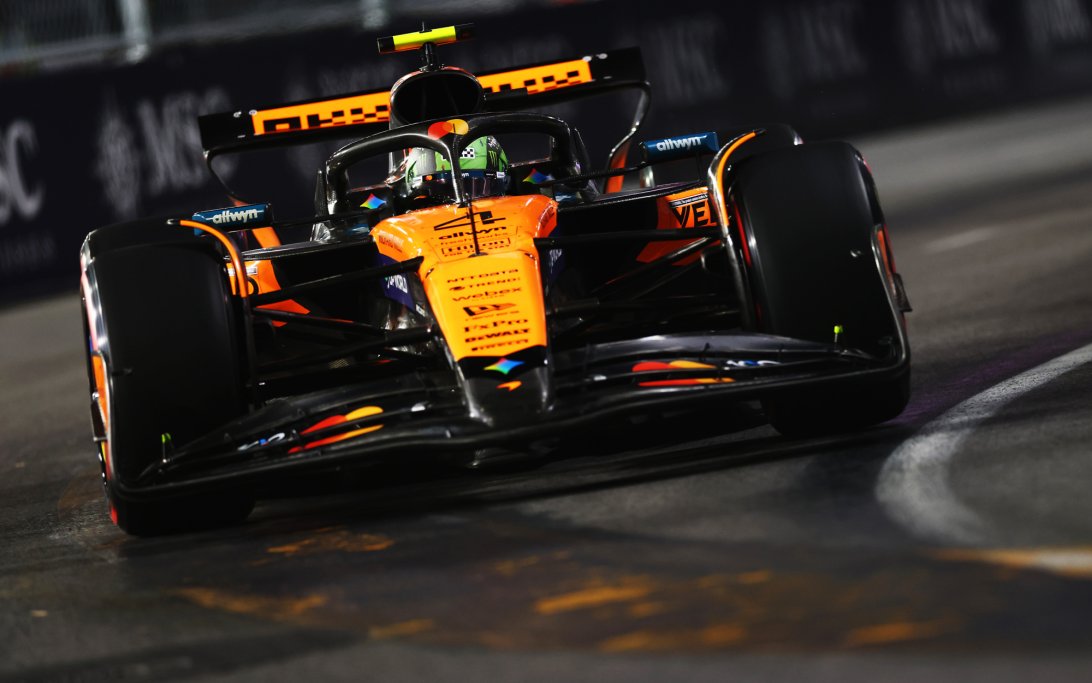
McLaren Issues Statement After Norris, Piastri Disqualifications in Las Vegas
McLaren confirmed the disqualification of Lando Norris and Oscar Piastri from the Las Vegas Grand Prix due to exceeding the allowed skid thickness. The team cited unexpected, high levels of porpoising and accidental car damage during the race as the cause, which led to excessive ground contact. The FIA noted the breach was unintentional, but the penalty stands, impacting McLaren's championship aspirations.
McLaren has released a statement acknowledging the disqualification of Lando Norris and Oscar Piastri from the Las Vegas Grand Prix due to a breach of technical regulations concerning skid thickness. The team attributed the issue to unexpected and high levels of porpoising during the race, which was not observed in practice sessions.
Why it matters:
This disqualification is a significant blow for McLaren, especially given the strong performances from both drivers over the Las Vegas weekend. It comes at a critical juncture in the Championship campaign, impacting their fight for constructors' points and the drivers' individual standings. The incident also highlights the intricate challenges teams face with current ground-effect aerodynamics and the fine line between performance and technical compliance.
The Details:
- Technical Breach: Both Car 4 (Lando Norris) and Car 81 (Oscar Piastri) were found in breach of Article 3.5.9 of the Technical Regulations, which mandates a minimum skid thickness of 9mm.
- Measurement Violations: Norris's car was found to be in breach by a maximum of 0.12mm on the rearmost skid, while Piastri's car showed a maximum deviation of 0.26mm on the rearmost skid.
- Unexpected Porpoising: McLaren stated that both cars experienced "unexpected, high levels of porpoising" during the race, a phenomenon not observed during practice sessions.
- Ground Contact: This excessive porpoising led to increased contact between the car's floor and the track surface, resulting in the skid block wear beyond the legal limit.
- Accidental Damage: The team also reported finding accidental damage to both cars after the race, which contributed to an "increase of movement of the floor."
- Unintentional Breach: The FIA acknowledged that the breach was unintentional, with no deliberate attempt to circumvent regulations, and that mitigating circumstances existed.
Between the lines:
While the FIA recognized the unintentional nature of the breach, the strictness of technical regulations leaves no room for tolerance once a car is found to be non-compliant. The incident underscores the complexities of managing ground-effect cars, where aero performance is critically linked to ride height and floor stability. Unexpected track conditions or subtle car damage can have amplified effects on ride height, leading to unforeseen technical non-compliance. This isn't the first time a team has faced such issues, with Mercedes also experiencing similar disqualifications in the past due to skid block wear. It serves as a reminder that even the slightest deviation from the rules, irrespective of intent, carries severe penalties in F1.
What's next:
McLaren is currently investigating the reasons behind the unexpected porpoising and the specific impact of accidental damage. Despite the setback, the team remains focused on the final two races of the season. Their ability to quickly understand and address these aerodynamic behaviors will be crucial for their performance and compliance in the upcoming rounds and for future car development.