McLaren Reveals Findings on Las Vegas Disqualification
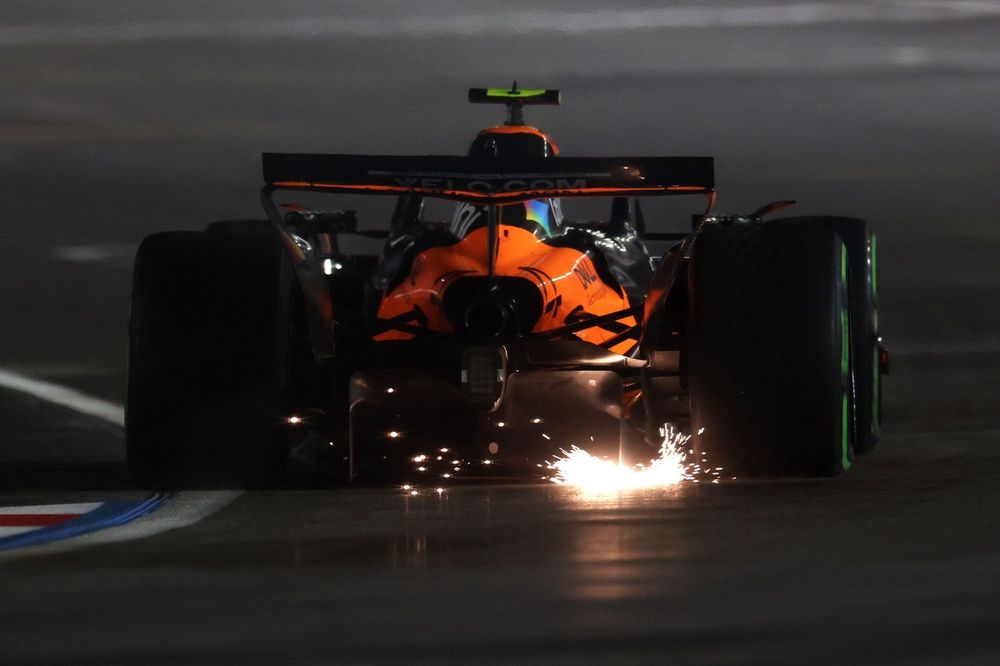
McLaren's team principal Andrea Stella explained the Las Vegas disqualification was due to unexpected porpoising, causing excessive skid plate wear for both Lando Norris and Oscar Piastri. Despite drivers' efforts and a safe setup, the unique track conditions negated their safety margin. Stella also hinted at potential future FIA review of penalty proportionality for minor technical infringements.
McLaren has completed its internal investigation into the double disqualification at the Las Vegas Grand Prix, with team principal Andrea Stella providing insights into the unexpected porpoising that led to excessive skid plate wear. Both Lando Norris and Oscar Piastri were stripped of their second and fourth-place finishes, respectively, due to the technical infringement.
Why it matters:
McLaren's disqualification significantly impacted the drivers' championship standings, bringing Max Verstappen level with Piastri and within 24 points of Norris. Understanding the root cause is crucial for McLaren to prevent future penalties and maintain its competitive momentum as the season concludes.
The details:
- Unexpected Porpoising: From early laps in the race, data indicated an unexpected and concerning level of porpoising. While Lando Norris's car could be better monitored via telemetry, Oscar Piastri's car presented a challenge after losing a grounding sensor.
- Remedial Actions Ineffective: The team quickly realized the porpoising was causing high skid wear. Both drivers were instructed to take remedial actions at various parts of the circuit, but these efforts proved largely ineffective in reducing the oscillations due to the car's operating window and track characteristics.
- Setup Approach: Andrea Stella denied the team took excessive risks with the car's setup, stating they applied a “safety margin” in ride height based on practice data. However, this margin was negated by the unforeseen large vertical oscillations.
- Porpoising Mitigation Challenges: The porpoising condition was difficult to mitigate. Even reducing speed—which theoretically increases ground clearance—was only effective in some sections of the track and counterproductive in others.
Between the lines:
While McLaren accepted the penalty, Stella highlighted that the breach was marginal, with Norris's wear at 0.12 mm and Piastri's at 0.26 mm—both slightly exceeding the 9mm minimum. The FIA acknowledged the infringement was unintentional, and Stella suggested the FIA might need to review the proportionality of penalties for minor, accidental technical breaches in the future, as current rules left no margin for stewards other than disqualification.
What's next:
McLaren is confident the issue will not recur in the final two races in Qatar and Abu Dhabi. They attribute the specific conditions that led to the porpoising and excessive grounding to the unique operating window of the car in Las Vegas and the circuit characteristics. The team believes its established setup approach will lead to optimal performance in the upcoming races, having also gained valuable insights into the car's operating window and porpoising regime from the Las Vegas experience.