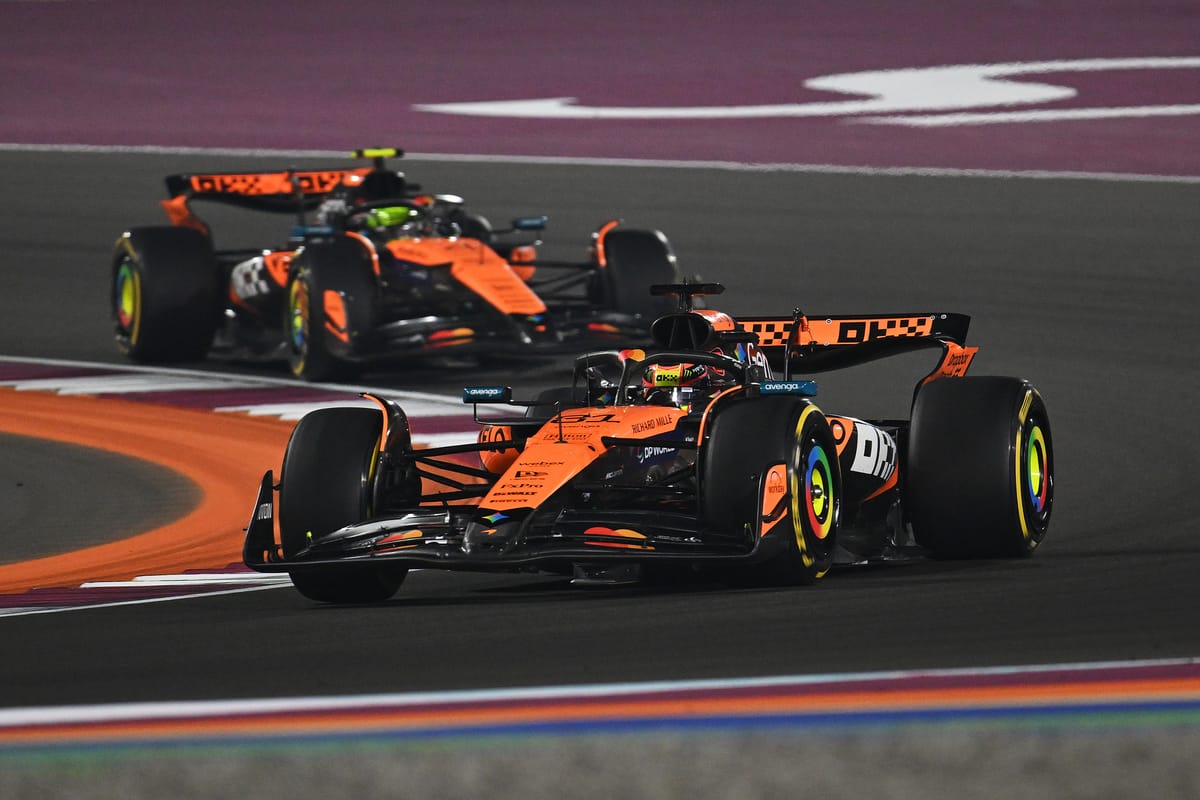
McLaren's Alleged Favouritism Ultimately Hurt Norris More
McLaren's controversial strategy at the Qatar Grand Prix, where it opted not to double-stack Lando Norris and Oscar Piastri, has ignited debate and accusations of favouritism. While some believe the move aimed to protect Norris, analysts argue it ultimately hurt his championship chances more by allowing Max Verstappen to gain ground. The incident highlights the intricate challenges of managing rival teammates in a title fight and the significant impact of strategic decisions on both driver and team outcomes.
McLaren's strategy at the Qatar Grand Prix has sparked widespread criticism and conspiracy theories regarding alleged favouritism towards Lando Norris over Oscar Piastri. Critics suggest the team's decision not to double-stack both cars during a lap seven safety car, unlike nearly every other team, aimed to prevent Norris from being disadvantaged behind Piastri. However, this move arguably did more harm than good to Norris's championship aspirations.
Why it matters:
McLaren's handling of the Qatar GP highlights the intense pressure on teams to manage inter-team rivalries, especially when drivers are competing for a world title. The perception of bias can severely impact team morale and driver performance, while strategic blunders can have significant championship consequences. This incident puts McLaren's commitment to fairness under scrutiny and raises questions about how it balances individual driver ambitions with overall team success.
The details:
- Qatar Strategy Flaw: During a lap seven safety car, McLaren opted not to bring both Norris and Piastri in for a double-stack pit stop. Had they done so, Piastri might have still beaten Max Verstappen for the race win, but Norris would have been disadvantaged by queuing behind his teammate.
- Allegations of Bias: The prevailing theory suggests McLaren avoided double-stacking to prevent Norris from losing further championship ground to Piastri, sacrificing a potential race win for Piastri in the process.
- Counter-Argument: According to Scott Mitchell-Malm on The Race F1 Podcast, by allowing Verstappen to capitalize on McLaren's strategy, the team inadvertently hurt Norris's championship prospects more. He argued that letting Verstappen close the gap and potentially win the title over Piastri is "way more damaging to Norris's prospects" than Norris losing points to Piastri.
- Championship Implications: Following Qatar, Norris leads Verstappen by 12 points and Piastri by 16 points. The controversy is likely to intensify as the season decider approaches.
- Standard Practice: Mark Hughes noted that if Norris had been delayed by queuing behind Piastri, it would align with general team practice where the lead driver on track (in this case, Piastri, who qualified ahead and maintained position) has strategic priority. Therefore, Norris would not have had grounds to claim unfair treatment.
The big picture:
The Qatar incident underscores the complexities of managing two championship-contending drivers within the same team. While McLaren aims for fairness, the perception of bias, whether real or imagined, can overshadow strategic decisions. The team's choice, intended or not, to prioritize one driver's immediate championship standing inadvertently opened the door for a rival to gain an advantage, potentially making Norris's path to the title more difficult.
What's next:
The 'favouritism' debate is expected to escalate as the season heads towards its climax. McLaren faces the challenge of managing both drivers and their respective fanbases while ensuring transparent and justifiable strategic decisions. How the team navigates the remainder of the season, particularly if the championship remains tight, will be crucial in defining its reputation for fairness and its drivers' title aspirations.