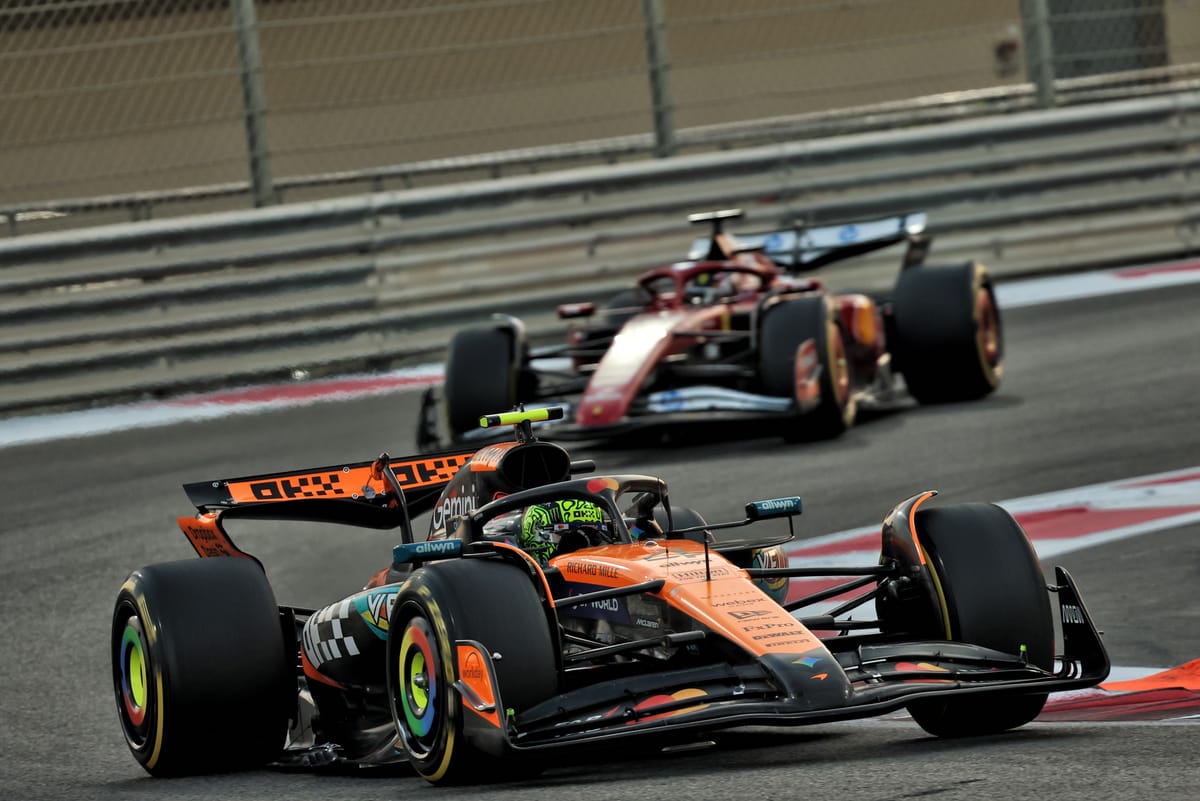
McLaren's Calculated Sacrifice: Why the 2025 Title Fight Was Closer Than It Appeared
McLaren's narrow 2025 F1 title win, secured by Lando Norris, wasn't a collapse but a deliberate strategic play. The team chose to halt development on its dominant car early to focus entirely on the 2026 regulations, allowing a resurgent Red Bull to close the gap and create a tense finale. The success of this high-risk, long-term gamble will only be judged next season.
McLaren's 2025 championship victory, secured by Lando Norris with a mere two-point margin in Abu Dhabi, has sparked debate over whether the team squandered its early-season dominance. While late-season errors kept Red Bull in contention, a deeper look reveals a deliberate strategic trade-off: McLaren prioritized its 2026 car development early, allowing a resurgent Red Bull to close the performance gap and create a nail-biting finale.
Why it matters:
The 2025 title fight serves as a high-stakes case study in long-term Formula 1 strategy. McLaren's decision to halt development on its dominant MCL39 mid-season—sacrificing short-term comfort for a potential 2026 advantage—highlights the brutal calculus teams face under a cost cap and with major regulation changes on the horizon. The outcome validates a high-risk approach to winning championships by the smallest possible margin.
The Details:
- Divergent Development Paths: McLaren opted for an aggressive 2025 car designed to deliver a massive initial performance buffer. This allowed the team to switch its factory focus "super early" to the 2026 project, accepting that in-season upgrades would become minimal.
- Red Bull's Resurgence: In contrast, Red Bull, under new Team Principal Laurent Mekies, continued aggressive development to understand its organization and rectify early-season weaknesses. By the final races, Team Principal Andrea Stella conceded Red Bull had "the fastest car once again."
- The Law of Diminishing Returns: By mid-season, McLaren's heavily optimized MCL39 was yielding tiny gains. Technical Director Neil Houldey noted upgrades were worth mere "30 milliseconds," making the switch to 2026 development, where gains are larger and faster, an obvious choice.
- Pressure-Induced Errors: The convergence in car performance forced McLaren to operate at the limit. This elevated pressure contributed directly to the costly mistakes in Las Vegas (double disqualification) and Qatar (strategy blunder) that nearly cost them the title.
The Big Picture:
McLaren's strategy was a calculated gamble rooted in the unique constraints of the final year before the 2026 regulation overhaul. With the least wind tunnel time due to F1's Aerodynamic Testing Restrictions (ATR), the team had to allocate its limited resources meticulously. The philosophy mirrors that of four-time champion Alain Prost: winning at the slowest speed possible. For McLaren, the goal was to secure the title with the minimum necessary effort in 2025 to maximize resources for 2026.
What's Next:
The ultimate verdict on McLaren's strategy will be delivered in 2026.
- If McLaren arrives with another benchmark car, its decision to endure a stressful 2025 finale will be seen as a masterstroke, potentially leaving rivals who over-developed their 2025 cars behind.
- Conversely, if McLaren is on the back foot next season, the team may rue the points and stress it could have saved with a more conventional development approach. The two-point margin in Abu Dhabi wasn't just a title decider; it was the direct result of a strategic bet that will take another full season to fully assess.