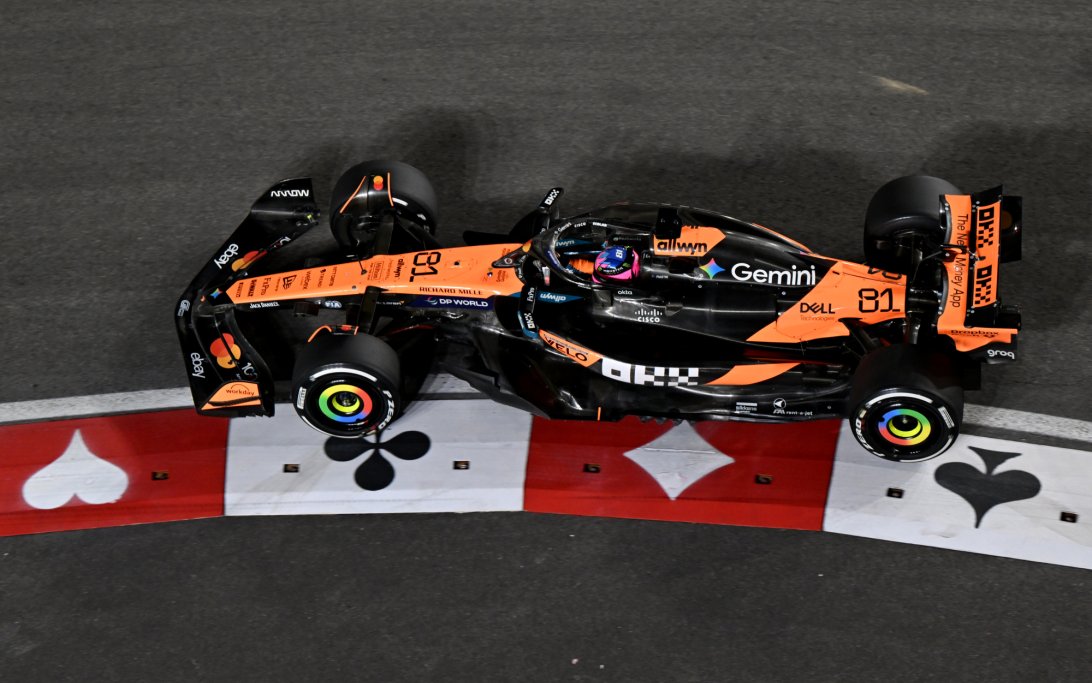
McLaren Takes Action for Qatar After Las Vegas Disqualification
After a double disqualification in Las Vegas due to excessive skid block wear, McLaren has implemented immediate measures to prevent similar issues at the Qatar Grand Prix. The team is proactively adjusting its car setup, especially concerning ride height and aerodynamics, to navigate the unique demands of the Lusail International Circuit. With mandatory pit stops forcing maximum performance stints, McLaren faces added pressure to ensure reliability and maintain its championship pursuit.
Following their double disqualification in Las Vegas, McLaren has implemented new measures to prevent a repeat at the Qatar Grand Prix. The team aims to put the previous race's issues behind them as they focus on the drivers' championship.
Why it matters:
McLaren's disqualification in Las Vegas due to excessive skid block wear highlighted a critical vulnerability in their car setup, particularly concerning ride height and aerodynamic choices in specific track conditions. Addressing this issue is crucial for their championship aspirations and for maintaining credibility within Formula 1's stringent technical regulations. Successfully adapting their setup will determine their performance in Qatar and other high-speed, low-ride-height circuits.
The Details:
- McLaren's cars were disqualified in Las Vegas after Lando Norris' and Oscar Piastri's skid blocks were found to be excessively worn at the end of the race.
- The low temperatures in Las Vegas led teams to pursue higher downforce for quicker tire warm-up, pushing McLaren to an aerodynamic package and extremely low ride heights that ultimately caused porpoising and led to the disqualification.
- Qatar's Unique Conditions: While dissimilar to Las Vegas, the Lusail International Circuit presents its own challenges. It demands medium aerodynamic load and low ride height to maximize performance through its long, fast corners, which could still contribute to plank wear.
- Rumored Setup: It's rumored that the setup McLaren used in Las Vegas was initially approved for Qatar, with only minor adjustments planned for suspension response. This suggests a systemic approach to their setup that needed urgent re-evaluation.
- Proactive Adjustments: RacingNews365 understands that McLaren engineers began developing an alternative setup immediately after the Las Vegas race to proactively avoid similar plank wear issues.
- Mandatory Pit Stops Impact: The introduction of two mandatory pit stops in Qatar, based on Pirelli's advice due to extreme tire wear, divides the race into three short stints. This means virtually no tire management, resulting in three stints driven at maximum performance.
- Increased Bottoming Out Risk: Higher speeds and vertical loads from maximum performance driving will increase the potential for cars to bottom out, exacerbating the risk of plank wear compared to races with tire management.
What's next:
McLaren faces heightened scrutiny and pressure as they approach the Qatar Grand Prix. Their ability to successfully implement and validate their new setup will be a key storyline. The team must demonstrate effective problem-solving to protect their championship ambitions against constant threats like Max Verstappen and maintain their competitive edge. The outcome in Qatar will be a significant indicator of their adaptability and engineering prowess.