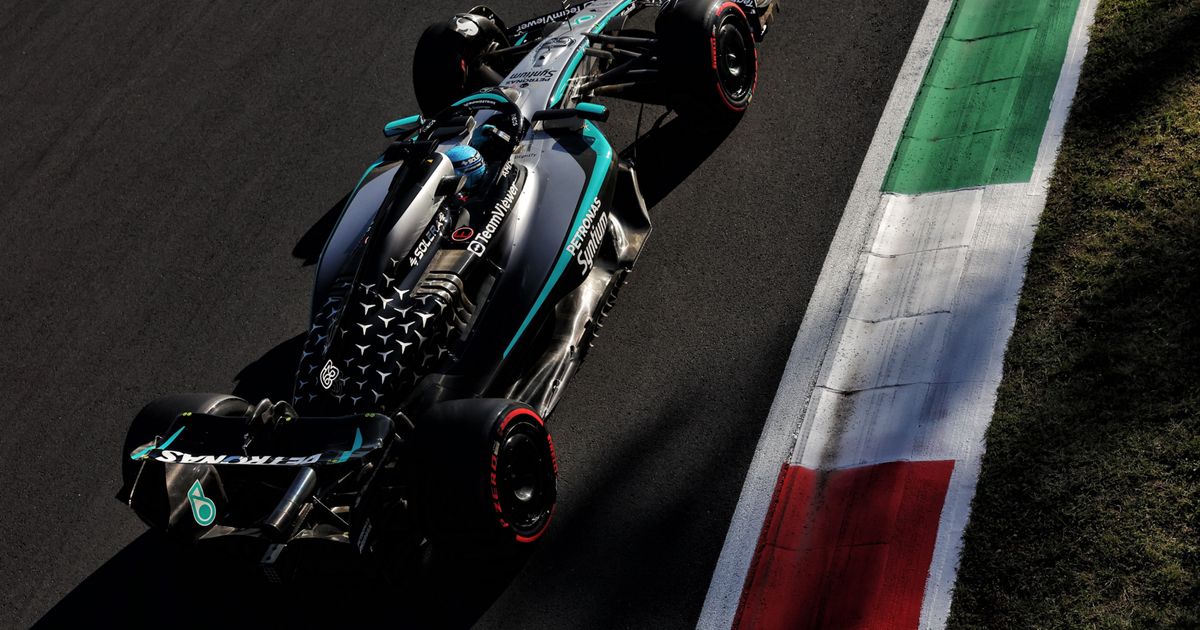
Mercedes Should Not Be Penalized for Rivals' Incompetence, Says Opinion Piece
A GPblog opinion piece argues against penalizing Mercedes for potential 2026 power unit superiority, stating it would punish engineering success. This comes amid reports that Mercedes, Red Bull Ford, and Audi have solved a key regulatory challenge early.
An opinion piece argues that Mercedes should not face penalties for its engineering excellence in the 2026 power unit development, while rivals reportedly grapple with the new regulations. The piece contends that penalizing a team for success sets a dangerous precedent for Formula 1's competitive ethos.
Why it matters:
The core debate touches on the fundamental principle of competition in F1: should the sport artificially hinder a team that has done a better job within the rules? This discussion arises amid rumors that Mercedes, Red Bull Ford, and Audi have all found solutions to a specific technical challenge posed by the 2026 regulations, potentially widening the performance gap. The outcome could influence future regulatory philosophy and the balance between competition and containment.
The details:
- The central argument is that penalizing Mercedes for its rivals' potential shortcomings would undermine the sport's meritocratic nature. The opinion suggests F1 should reward innovation, not punish it.
- Reports indicate that Mercedes, along with Red Bull Ford and Audi, have identified a way to address a key issue expected under the 2026 power unit rules, giving them a potential head start.
- This development comes against a backdrop where other manufacturers may be struggling with the complexity of the new engine formula, which emphasizes greater electrical power and sustainable fuels.
The big picture:
This is not a new debate in F1. The sport has a long history of implementing success-based penalties or technical directives to reel in dominant teams, from aerodynamic testing restrictions to engine freeze regulations. The 2026 power unit rules represent a massive reset, and teams are investing heavily to gain an early advantage. How the FIA manages any significant performance disparity from the outset will be crucial for the health of the championship.
What's next:
The focus will remain on the development race as the 2026 season approaches. Official tests and the first races will reveal the true competitive order. If one manufacturer emerges with a clear and overwhelming power unit advantage, the calls for intervention—or against it—will grow louder, forcing the FIA to make a defining decision on competition versus control.