Money Over Talent: The Painful Reality of F1's Junior Ladder
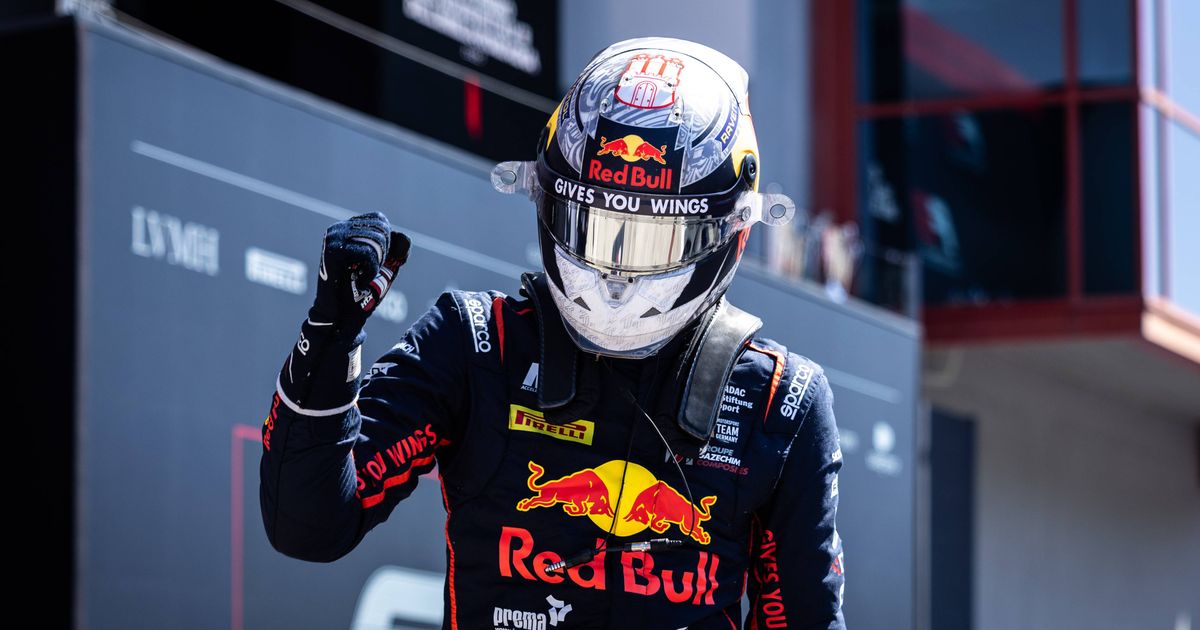
The contrasting fortunes of Tim Tramnitz and Cian Shields expose the harsh financial realities of the F1 ladder. Despite a top-four F3 finish, Tramnitz lacks the budget for F2, while Shields, with zero points in F3 and F2, secures a seat and an FP1 run due to his father's wealth, highlighting a systemic 'pay-to-play' barrier.
A promising talent like Tim Tramnitz is being sidelined from Formula 2 due to a lack of funding, while a driver with a poor competitive record, Cian Shields, secures both an F2 seat and an FP1 outing with Aston Martin, primarily because of his father's wealth. These contrasting cases highlight a harsh and recurring truth in motorsport: financial backing often outweighs pure driving talent on the path to Formula 1.
Why it matters:
The junior ladder is meant to identify and develop the best drivers for F1, but when financial barriers block genuine talent, the entire system's credibility is undermined. This dynamic risks depriving the pinnacle of motorsport of its future stars and perpetuates a cycle where access is increasingly gated by wealth rather than merit, potentially diluting the quality of the grid long-term.
The details:
- Cian Shields' Path: Despite scoring zero points in both Formula 3 and his debut F2 season, Shields secured an FP1 drive with Aston Martin in Abu Dhabi and a 2025 F2 seat with AIX Racing. His father, Seamus Shields, is reportedly worth €173 million, facilitating these opportunities.
- Tim Tramnitz's Dilemma: The Red Bull junior, who finished a strong fourth in the 2024 F3 championship, has no F2 seat for 2025. Teams have cited his insufficient budget as the primary reason, forcing him to consider career paths outside the traditional F1 ladder.
- The German Factor: Tramnitz's nationality adds another layer of difficulty. Unlike drivers from some other nations, German talents currently receive limited financial support from their country's automotive industry, despite the presence of Mercedes and Audi in F1.
The big picture:
This is not an isolated incident but a systemic issue. Motorsport, unlike many top football leagues, lacks a centralized, merit-based financial structure for junior categories. Personal sponsorship and family wealth become critical differentiators, creating a 'pay-to-play' environment at the crucial step between F3 and F2. The situation creates a vicious circle: without a breakout German star like Schumacher or Vettel to inspire national investment, the pipeline for future German talent remains underfunded.
What's next:
For Tramnitz, the coming weeks involve evaluating offers outside of F2, which likely means putting his F1 dream on hold. For the sport, these cases renew questions about the sustainability and fairness of the junior ladder's funding model. Without structural changes to better support identified talents, F1 risks continuing to lose promising drivers to financial realities long before their skill can be truly judged on track.