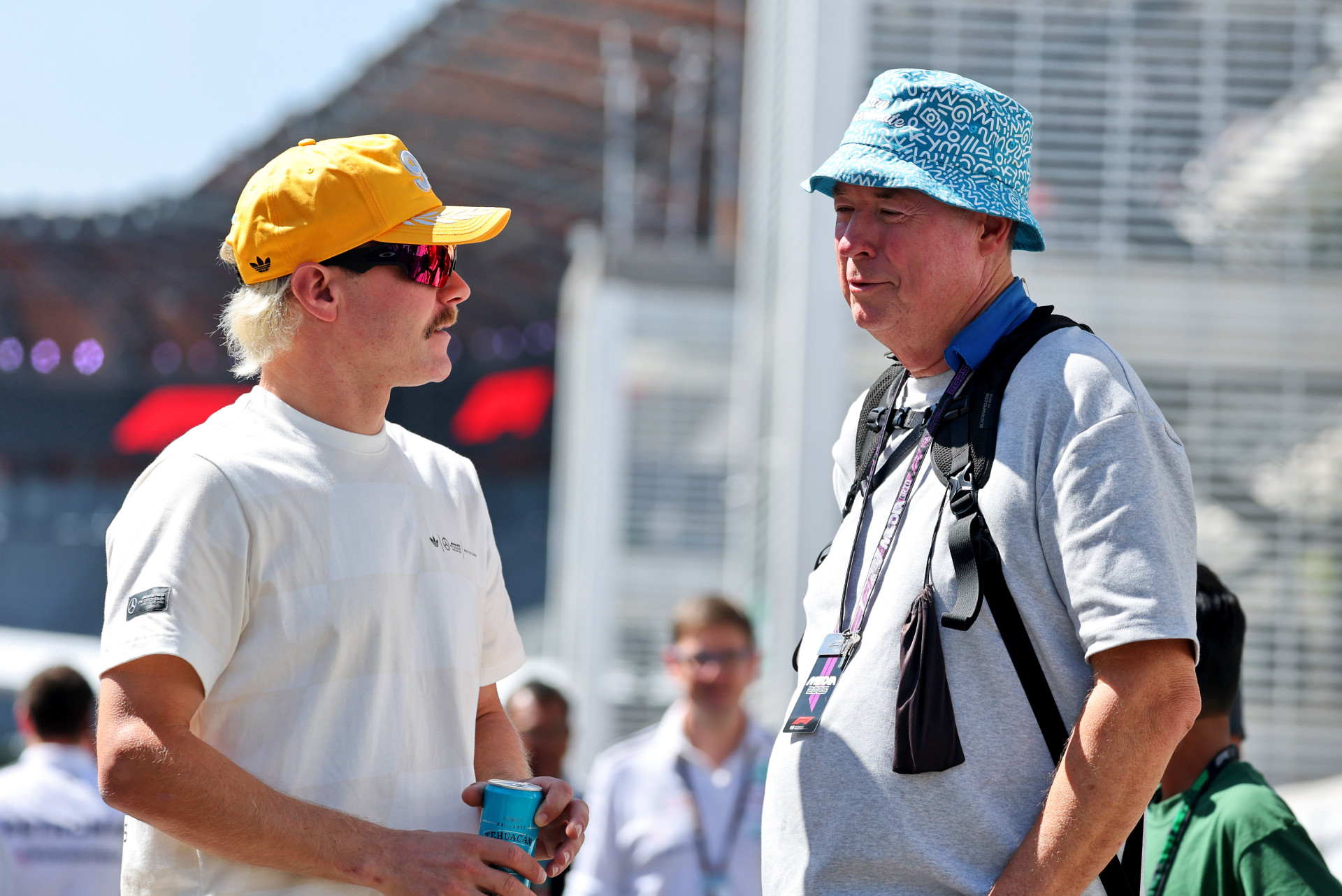
Navigating the Unwritten Rules of the Modern F1 Paddock
Photographer Kym Illman reveals how navigating unwritten rules and maintaining trust with teams and drivers is essential for survival in F1's modern, crowded paddock. His success hinges on providing exclusive behind-the-scenes content while strictly adhering to a code of conduct that prioritizes relationships over sensationalism.
Independent photographer Kym Illman has built a massive following by capturing the Formula 1 moments you don't see on TV, but his access hinges on navigating a complex set of unwritten rules. In an era where fan interest and social media have transformed the paddock into a crowded space, maintaining trust with drivers and teams has become the currency for survival.
Why it matters:
As F1's popularity soars, the working environment for media and creators inside the paddock has fundamentally shifted. The balance between providing exclusive behind-the-scenes content and respecting the privacy and protocols of teams and drivers defines who gets to stay. Illman's experience highlights the delicate, relationship-driven ecosystem that now governs access to the sport's inner sanctum.
The Details:
- A Changed Environment: Illman notes the paddock was far less populated when he started in 2017. Now, Saturdays and Sundays are packed with "selfie hunters and autograph hunters," making it difficult to get clean shots of drivers. This shift is driven by F1's push for fan accessibility and the global interest fueled by Drive to Survive.
- The Content Niche: Operating independently, Illman's strategy is to show what the broadcast doesn't. He focuses on moments in car parks, during paddock walk-ins, and around the FIA garages, providing the "stuff nobody shows" to an audience that otherwise sees the same TV feed.
- The Unwritten Code: Sustaining access requires adhering to strict, unofficial guidelines.
- Compliance is key: If a driver, their partner, or a team requests content be taken down or corrected, he does so immediately.
- Maintaining a positive or neutral tone is crucial; being "constantly negative" is a fast track to losing paddock credentials.
- Understanding the Audience: His social media success relies on giving people what they want—positive, human, behind-the-scenes moments—rather than forcing standard race coverage or car photos that generate little traction.
The Big Picture:
Illman's model, while successful, is difficult to replicate due to the immense workload and the fragile nature of the access it depends on. He suggests that as F1 continues to grow, paddock access is likely to become more restricted, not more open. This places ever-greater importance on trust, discretion, and long-standing relationships, cementing the paddock as a space where reputation and respect are as valuable as a camera lens.