Norris' Past Comments Continue to Fuel Online Hate Despite Champion's Regret
New world champion Lando Norris has expressed regret for past controversial comments made about rivals like Max Verstappen and Lewis Hamilton. Despite his public apology, edited clips of those moments continue to be shared online by some fans to criticize him, highlighting how old soundbites can fuel lasting negative narratives in F1's digital fan culture.
Despite Lando Norris addressing and expressing regret for past controversial comments, edited videos highlighting those moments continue to circulate online, used by some to justify negative sentiment towards the new world champion. The McLaren driver's championship win has amplified the visibility of these old soundbites, creating a divisive online narrative separate from his on-track achievement.
Why it matters:
The persistence of these 'hate videos' underscores the lasting and often selective nature of online discourse in modern F1 fandom. Even as a driver matures and acknowledges past mistakes, digital content can freeze moments in time, creating a distorted public persona that fuels negativity. This dynamic impacts how drivers interact with media and fans, potentially making them more guarded.
The details:
- The most commonly cited comments are from heated moments in previous seasons: a 2024 remark to Max Verstappen at Interlagos ("It's not talent, it's just luck") and a 2023 retort to Lewis Hamilton at the Hungaroring ("You had a fast car seven years ago").
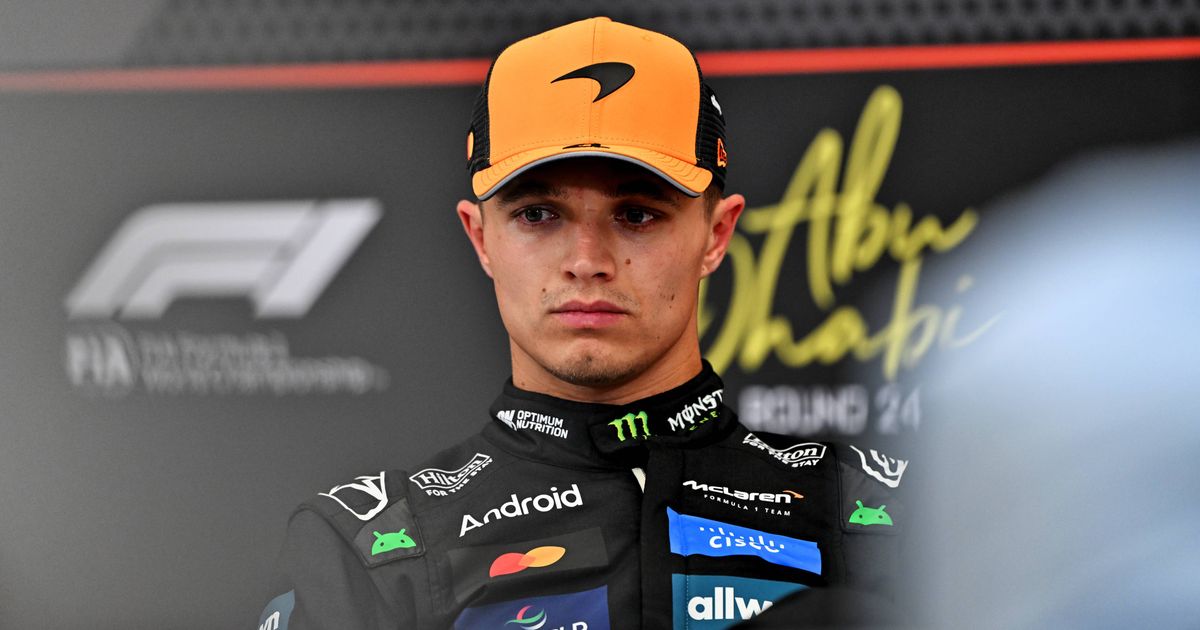
- In Abu Dhabi, Norris directly addressed these past statements, showing significant introspection. He admitted to saying "some stupid things" and expressed clear regret, wishing he "could take them back."
- He contextualized the comments as products of the "heat of the moment," often realizing immediately after speaking that he had made a mistake.
- Despite this public reckoning, social media algorithms and partisan fan communities continue to recirculate the clips devoid of their context or his subsequent apology, using them as purported evidence to validate criticism.
The big picture:
This situation highlights a recurring tension in the spotlight of Formula 1. Drivers are expected to show passion and rivalry, yet every word uttered in frustration can be captured, archived, and weaponized years later. Norris's experience mirrors that of other top drivers like Verstappen and Hamilton, who have also faced years of criticism based on isolated comments or moments. The champion's regret shows personal growth, but the online ecosystem often prioritizes conflict over narrative progression, making it difficult for a public figure to fully move past old controversies.
What's next:
As Norris begins his reign as world champion, managing his public persona will be as crucial as his performance on track. His candid admission of regret in Abu Dhabi sets a new, more mature tone for his media interactions. However, the entrenched nature of online fan dynamics means these edited videos will likely persist in certain corners of the internet. Norris's challenge will be to continue letting his driving and his evolved conduct define his legacy, rather than soundbites he himself has disavowed.