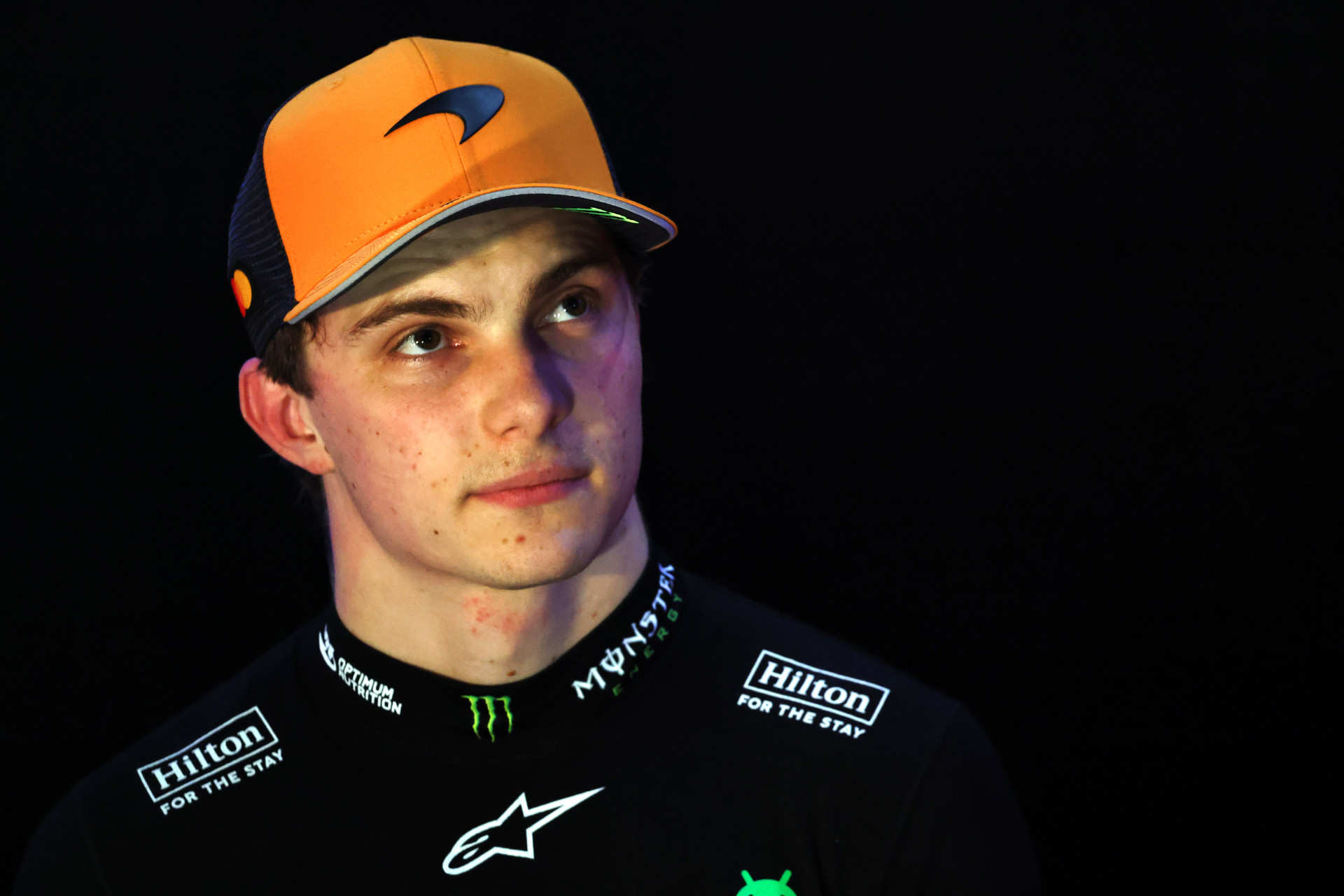
Oscar Piastri 'Conspiracy Theory' Reaches Australian Parliament
A light-hearted moment in the Australian Parliament saw a senator raise a 'conspiracy theory' about McLaren's alleged bias against Oscar Piastri, potentially costing him a championship. This highlights how deeply F1 fans, and now even politicians, are invested in the young Australian driver's season and the controversial team decisions that have impacted his races.
A lighthearted, yet notable, discussion in the Australian Parliament saw a senator raise a 'conspiracy theory' suggesting McLaren has been biased against Oscar Piastri, potentially costing him a championship.
Why it matters:
After a season marked by contentious strategy calls and team orders, the debate surrounding McLaren's treatment of Oscar Piastri has evidently resonated beyond the F1 fan base, reaching even parliamentary discourse. While presented humorously, this exchange highlights the intense public and political interest in Piastri's performance and the perceived fairness of team decisions, particularly in a sport where national pride often intertwines with driver success. It underscores the passion Australian fans have for their rising F1 star.
The Details:
- Parliamentary Query: During a Senate Rural and Regional Affairs and Transport Legislation Committee hearing, Nationals Senator Matt Canavan jokingly questioned department secretary Jim Betts about whether McLaren's strategy was intentionally disadvantaging Piastri.
- Ministerial Support: Assistant Minister Anthony Chisholm, whose daughter is an F1 fan, acknowledged that Piastri has "copped some raw decisions this year," echoing fan sentiment.
- Qatar Grand Prix Blunder: The theory gained significant traction after the Qatar Grand Prix, where McLaren's decision not to pit Piastri and Lando Norris under an early Safety Car allowed Max Verstappen to take victory. Piastri had been in a strong position for the win after starting from pole.
- Italian Grand Prix Controversy: Earlier in the season, Piastri was instructed to let Norris past after a slow pit stop at Monza, sparking accusations of team favoritism.
- Singapore Collision: An opening lap collision in Singapore saw Norris collide with Piastri, with Norris later accepting responsibility. Fans, however, viewed this, along with other incidents, as further evidence of bias.
- 'Papaya Rules': McLaren's internal 'papaya rules,' designed to prevent intra-team collisions, have often left Piastri on the unfavorable side of team judgment calls.
- McLaren's Stance: McLaren has consistently denied favoritism, stating they will not impose team orders for the title decider, despite Piastri revealing a conversation in Qatar about potentially assisting Norris in the final two rounds.
Between the lines:
While the parliamentary exchange was clearly in jest, it underscores the deep emotional investment fans have in their national sporting heroes. For Piastri, navigating these perceived injustices while maintaining competitive performance adds another layer of complexity to his nascent F1 career. The intensity of fan scrutiny and the occasional political spotlight can place immense pressure on both the driver and the team.
What's next:
With the season progressing, all eyes will be on McLaren's strategic decisions and team dynamics. Whether McLaren can effectively dispel these 'conspiracy theories' will largely depend on future race outcomes and transparent communication regarding their strategy and driver management. Piastri's performance in the remaining races will be crucial, not only for his championship aspirations but also for shaping the public narrative around his treatment within the team.