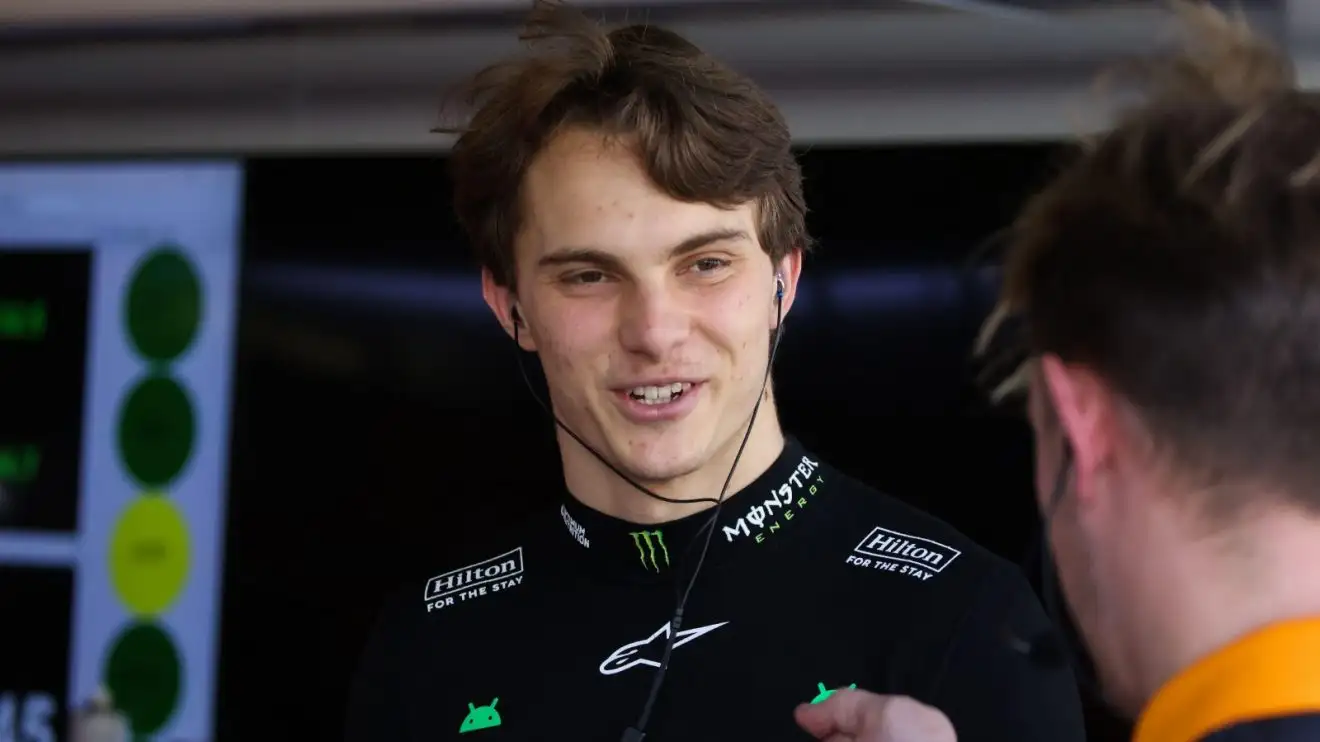
Piastri: 2026 F1 Regulations Will Put a Premium on Driver Skill
McLaren's Oscar Piastri believes the 2026 F1 regulations, with their increased electrical power, will reward driver skill and battery management, creating more opportunities to impact races and making them more exciting for fans.
Oscar Piastri has offered his initial thoughts on the 2026 F1 regulations, predicting that the shift towards more electrical power will significantly increase the importance of driver skill. The McLaren driver highlighted that managing battery power will be a new and crucial challenge, creating more opportunities for drivers to make a difference on track. He believes this change will be exciting for fans, though he admits the new rules reset the competitive order, making it anyone's guess who will come out on top.
Why it matters:
The 2026 regulations represent a monumental shift for Formula 1, moving away from the traditional V6 turbo-hybrid power units to a system with a much greater emphasis on electrical energy. Piastri's comments suggest that instead of drivers being passengers in heavily assisted machines, their ability to precisely manage complex power deployment could become a key differentiator. This could lead to more varied race strategies and on-track battles, potentially addressing fan concerns about the 'predictability' of recent seasons.
The details:
- The primary change for 2026 is the power unit, which will feature a 50/50 split between electrical and internal combustion engine power, a significant increase from the current split.
- Piastri emphasized that drivers will face a steep learning curve, needing to master battery management in ways "never had to have done in a race car before."
- Competitive Reset: With a complete overhaul of the technical regulations, Piastri noted that "you never quite know who’s going to nail it and who’s not," leveling the playing field and offering a chance for teams to break from the current pecking order.
- He admitted there's no guarantee of continued success for McLaren, adding, "hopefully we’re one of the people that nail it."
What's next:
Teams across the grid are now deep in the design and development phase for their 2026 challengers, with the next 12-18 months being critical to getting the new regulations right. The focus will be not just on maximizing the electrical power but also on integrating it seamlessly with the chassis and aerodynamics. While Piastri is optimistic about the increased role for drivers, the ultimate success of the 2026 rules will depend on whether the on-track product delivers the exciting and unpredictable racing he envisions.