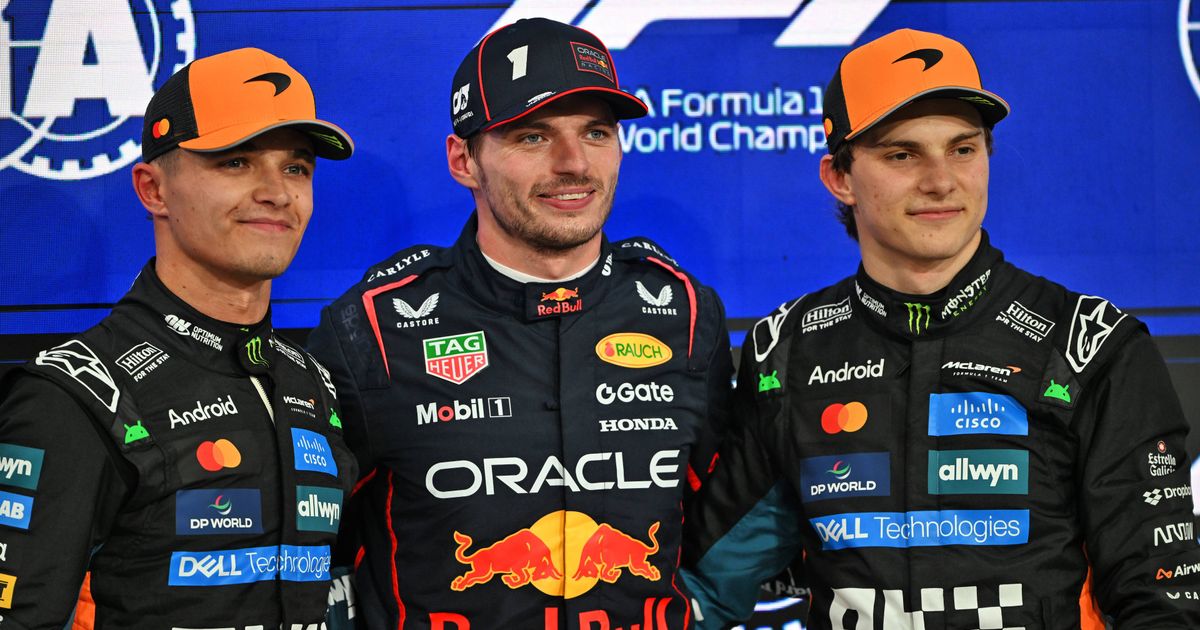
Piastri: 2026 F1 Rules Will Demand a New Style of Driving
Oscar Piastri believes the 2026 F1 regulations will shift the focus to driver skill, particularly in managing increased electrical power and battery deployment, offering new ways to gain a competitive edge.
Oscar Piastri warns that the 2026 Formula 1 regulations will fundamentally challenge drivers, forcing them to adapt to a new style of racing. With a significant shift towards electrical power, managing battery deployment will become a critical skill, creating more opportunities for drivers to showcase their talent and directly influence race outcomes.
Why it matters:
The 2026 reset represents a massive opportunity for teams to close the gap to the current front-runners and potentially reshape the competitive order. A greater emphasis on driver input, particularly in energy management, could lead to more unpredictable and exciting racing, rewarding skill and adaptability over raw car performance alone.
The details:
- The new power units will feature a much higher ratio of electrical power to combustion engine output, fundamentally changing how the cars deliver power on track.
- Drivers will need to master battery deployment and energy management in ways they've never had to before, treating it as a key strategic tool during a race rather than just a 'set and forget' system.
- Piastri emphasized that this creates "a lot of points where you can make the difference as a driver," suggesting that talent and precision in this area could be a decisive factor in battles for position.
- The Australian driver, who finished third in the 2024 championship, believes these changes will be exciting for fans as driver skill becomes more visible and impactful.
What's next:
Teams are already deep in development, with drivers like Piastri spending extensive time in simulators to understand the new driving dynamics required for 2026. The challenge for constructors like McLaren is not just to build a fast car, but one that allows its driver to maximize the potential of the complex new power units. While the full impact remains to be seen, the regulations are designed to create a closer, more competitive grid where driver talent can shine brighter than ever.