Piastri and Russell Downplay Catastrophic Tyre Failure Fears at Qatar GP
Oscar Piastri and George Russell have both dismissed fears of a catastrophic tyre failure at the Qatar Grand Prix, despite concerns raised by Pirelli and the FIA. While acknowledging vibrations and the unique challenges of the Lusail circuit, both drivers believe the measures taken, including lap limits, are sufficient to manage safety risks. The situation highlights the ongoing battle between aggressive track conditions, tyre longevity, and driver safety in Formula 1.
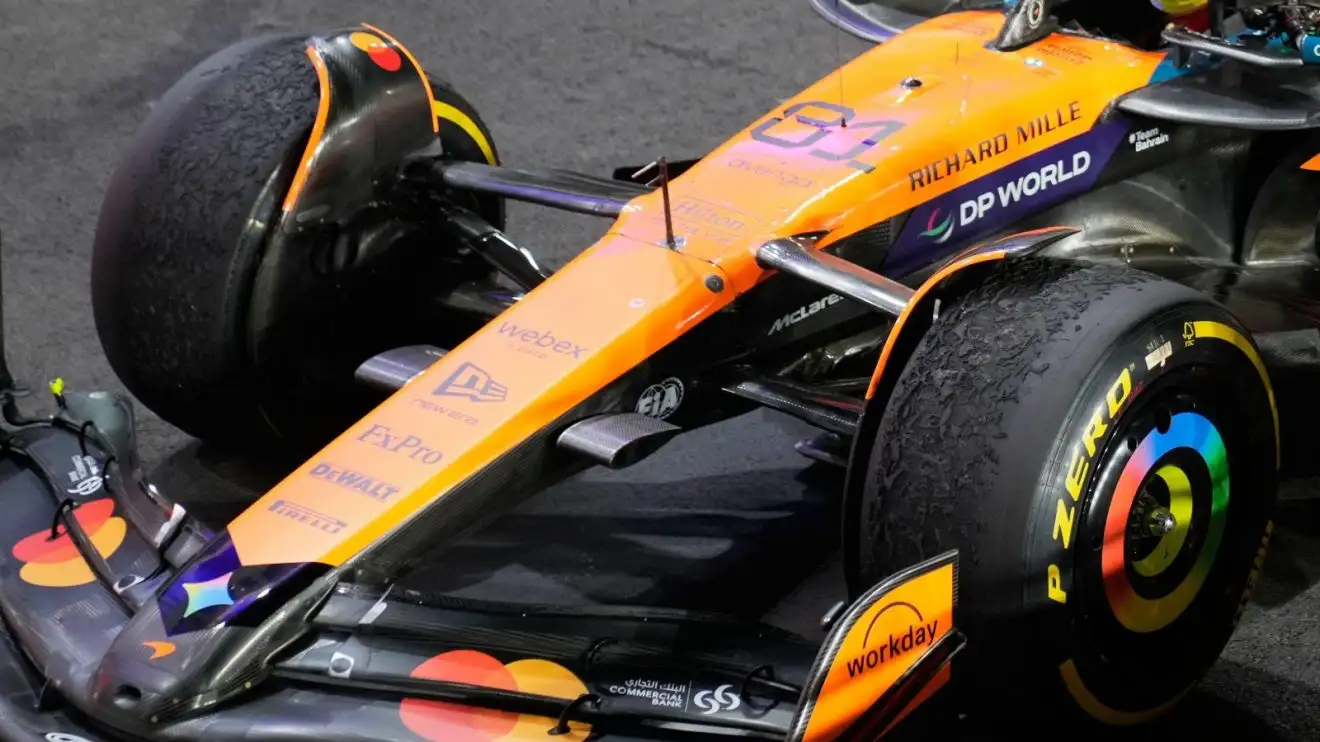
Oscar Piastri and George Russell have both eased concerns about a "catastrophic" breakdown of tyres during the Qatar GP, even after Pirelli raised initial worries and implemented a lap limit for each set. The Lusail International Circuit's adhesive nature and close gravel bits contribute to significant tyre wear, a situation the FIA is closely monitoring.
Why it matters:
Tyre safety is paramount in Formula 1, and the unique challenges posed by the Lusail circuit have prompted unprecedented measures, including a lap limit per tyre set. The ongoing debate among drivers and officials highlights the fine line between pushing performance boundaries and ensuring driver safety, especially as the sport grapples with the ever-increasing demands placed on tyre technology.
The Details:
- Initial Concerns: Pirelli announced a lap limit for each tyre set even before the event, due to concerns about tyre integrity on the high-stress Lusail International Circuit.
- Circuit Characteristics: The track's highly abrasive surface combined with sharp gravel fragments near the racing line has significantly escalated tyre wear, prompting further scrutiny.
- FIA Monitoring: PlanetF1.com understands the FIA is actively monitoring the situation and may introduce additional precautionary measures before Sunday's Grand Prix if deemed necessary.
- Driver Perspectives:
- Oscar Piastri: The sprint race winner acknowledged a vibration in his tyres but downplayed the risk of a "catastrophic" failure, particularly for the rear tyres. He stated, "Whenever you've got to put a limit in for things like this, obviously it's a little bit of a concern. But everything was fine... I think they've taken the measures."
- George Russell: Russell defended Pirelli, noting the difficulty of creating a tyre suitable for a 24-race season and the specific demands of a track like Lusail. He explained that the front-left tyre's outside edge is particularly vulnerable due to cornering forces. Russell added, "I don't think we should be putting any heat on [Pirelli]. Probably they've made the best tyre possible for 24 races, but it's just the nature of this track being so quick, they need to introduce something like that."
The Big Picture:
The challenges at the Qatar GP underscore a broader issue in F1: the trade-off between aggressive circuit design, performance demands, and tyre durability. While drivers push the limits, tyre manufacturers face the complex task of producing compounds that can withstand diverse conditions across a long season. This incident could influence future track designs and tyre development strategies, potentially leading to more flexible regulations or bespoke tyre compounds for specific, high-stress venues.
What's next:
The FIA's final decision on any additional measures for the main Grand Prix will be crucial. The performance of the tyres during Sunday's race, particularly under prolonged stints, will provide vital data for both Pirelli and the teams. How teams manage tyre degradation and strategy will likely be a decisive factor, adding an extra layer of complexity to what is already a high-stakes event.