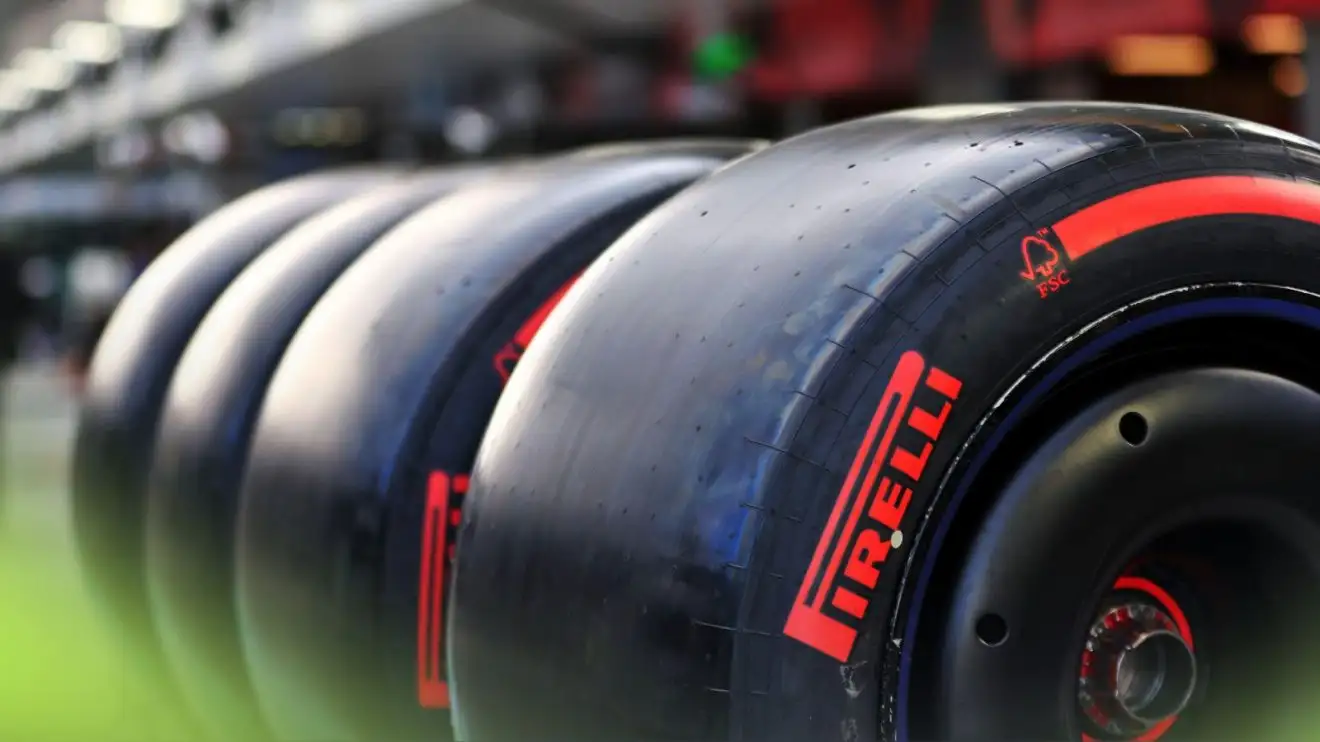
Pirelli Announces Major F1 2026 Tyre Compound Change
Pirelli has announced a significant change for the F1 2026 season, confirming only five dry tire compounds will be in use, dropping the softest C6. This decision aims to enhance strategic variability by ensuring a wider performance gap between compounds and is part of extensive development for the new generation of narrower F1 cars, which will feature completely overhauled chassis and power unit regulations.
Pirelli, Formula 1's exclusive tire supplier since 2011, has confirmed a significant change to its dry tire compound range for the 2026 season: the softest C6 compound will be dropped, leaving only five dry compounds in use. This decision comes as part of extensive testing and development to adapt to the sport's comprehensive new chassis and power unit regulations.
Why it matters:
- Strategic Variability: Reducing the number of compounds aims to ensure a wider and more consistent performance gap between the remaining tires, thereby increasing strategic options during races.
- New Regulations: The 2026 season will introduce entirely new cars with narrower tires (25mm narrower at the front, 30mm at the rear) to reduce overall car width and material waste. Pirelli's adjusted compound range is critical to the performance and safety of these new machines.
- Development Challenges: Developing tires for cars that don't yet exist poses significant challenges, requiring Pirelli to rely on 'mule cars' set up with low downforce to simulate future conditions.
The Details:
- Compound Reduction: Pirelli will move from six dry compounds (C1 to C6) to five, ranging from C1 (hardest) to C5 (softest).
- Reason for C6 Removal: The C6 compound was dropped because recent tests revealed an insufficient performance difference between it and the C5. Pirelli noted that the time gap was too small to offer a significant performance advantage or contribute meaningfully to strategic variability.
- Extensive Testing: Pirelli has been conducting tests on current-generation 'mule cars,' configuring them for low downforce to simulate the expected characteristics of 2026 F1 cars. This process has involved feedback from all 10 F1 teams.
- Aerodynamic Impact: The narrower tires are part of a broader regulatory push to reduce car dimensions and improve aerodynamic efficiency, requiring a complete rethink of tire construction and compound performance.
- Final Testing: One last day of 2026 tire testing is scheduled to occur after the Abu Dhabi Grand Prix, giving teams a final opportunity to evaluate four of the five new compounds before they are expected to be homologated by the FIA.
What's next:
- Homologation: The FIA is expected to homologate the new tire compounds following the final test, solidifying Pirelli's 2026 lineup.
- Impact on Teams: Teams will need to adapt their car designs and race strategies to the new tire characteristics and the reduced range of available compounds, potentially altering the competitive landscape.
- Strategic Implications: The success of Pirelli's goal to increase strategic variability will be closely watched, as it could lead to more unpredictable and exciting races in the 2026 season.