Pirelli Under Fire: Komatsu Calls for Better Tire Design Amid Qatar's Mandatory Pit Stops
Pirelli's mandatory 25-lap tire limit for the Qatar Grand Prix, enforcing a minimum two-stop strategy, has drawn criticism from team principals and drivers. Ayao Komatsu argued for better tire design with clear degradation layers to avoid 'artificial regulations' that harm racing. While some drivers prioritize safety, others, like Pierre Gasly, believe teams should manage tire life, highlighting the ongoing tension between safety, strategy, and tire performance in F1.
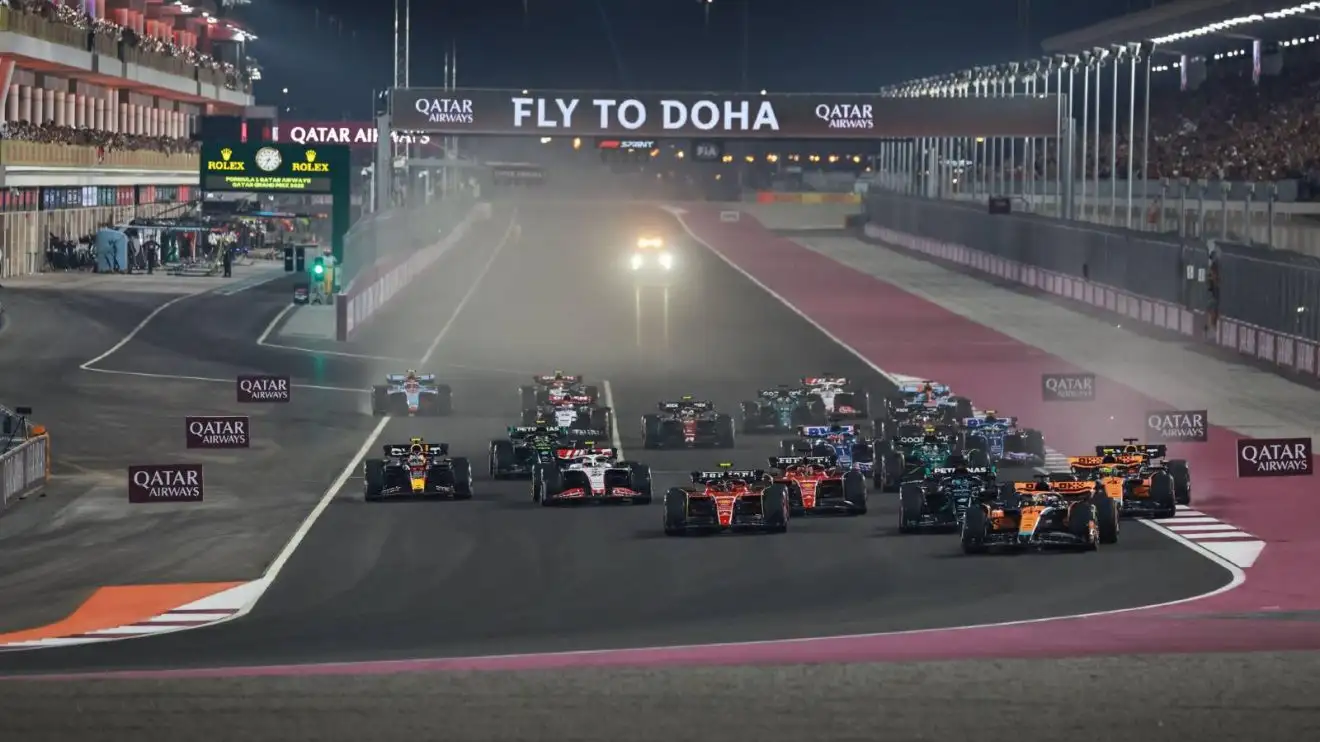
Ayao Komatsu has suggested a superior solution to the tire degradation issues that led to a mandatory maximum tire life rule at the Qatar Grand Prix. This weekend, each driver must make at least two pit stops due to a 25-lap limit on tire usage, a measure that has sparked debate among teams and the FIA.
Why it matters:
- The FIA and several teams are reportedly unhappy with the impact of the mandatory 25-lap tire life limit for the Qatar Grand Prix. This rule, designed to prevent dangerous tire failures on the demanding Losail Circuit, will severely restrict strategic variety, forcing all teams into a minimum two-stop race.
- This situation highlights ongoing tensions between tire safety, strategic freedom, and Pirelli's design capabilities, especially after a similar 18-lap limit was imposed in Qatar last year due to different kerb-related issues.
The Details:
- Mandatory 25-Lap Limit: Pirelli imposed a cumulative 25-lap maximum for all tire compounds (hard, medium, soft) across practice, qualifying, Sprint, and the Grand Prix sessions.
- Reason for the Limit: The measure was implemented due to extreme tire wear rates caused by the Losail Circuit's long, sweeping corners and abrasive surface, which Pirelli identified as a safety risk.
- Lack of Performance Drop-off: A key concern is that tires showed no performance drop-off before reaching maximum wear, making it difficult for teams to judge risk. The 25-lap limit was deemed the safest option to prevent failures.
- Strategic Impact: With the Grand Prix being 57 laps, the 25-lap limit mandates at least two pit stops for every driver, significantly reducing strategic options.
Between the lines:
- Komatsu's Critique: Ayao Komatsu, the only team principal to speak to the media on Thursday, criticized these "artificial regulations," arguing they harm racing by forcing strategies.
- Call for Better Design: Komatsu believes Pirelli should design tires with a clear, non-linear degradation layer. This would allow teams to monitor wear more effectively through lap time drop-offs, rather than relying on arbitrary limits.
- Driver Perspectives:
- Pierre Gasly advocated for open strategy, trusting teams and engineers to manage risk.
- Charles Leclerc acknowledged the safety concerns, understanding the FIA's preventative measures, despite drivers' natural inclination to push limits.
- Carlos Sainz emphasized the temporary nature of the Qatar rule and stated that forced two-stop limits, like a recently shelved F1 Commission proposal, are detrimental to strategic variety in racing.
What's next:
While the current rule is a temporary safety measure for Qatar, the broader debate over tire design and strategic limitations will likely continue. Komatsu's suggestions for a more intuitive tire degradation system could influence future tire development. The F1 Commission's recent decision to pause a permanent two-stop strategy proposal indicates a general resistance within the sport to artificially imposed strategic constraints, reinforcing the desire for natural race evolution rather than regulatory mandates.