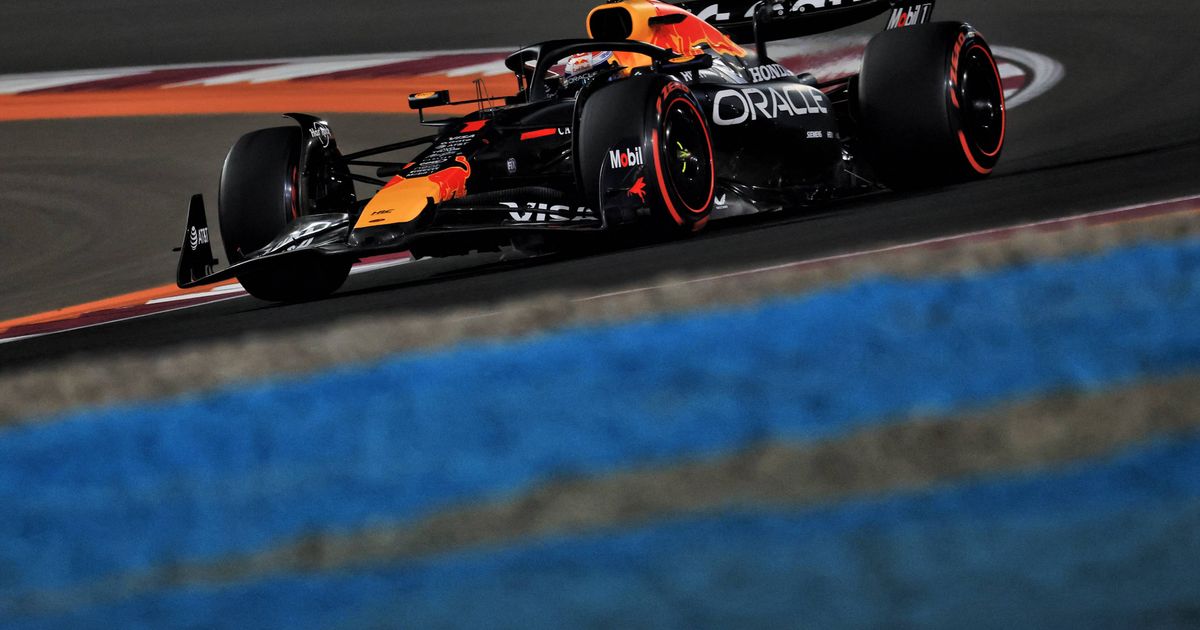
Qatar GP: Tyre Strategy Implications Under Two-Stop Rule
The Qatar Grand Prix introduces a mandatory two-stop strategy with a 25-lap limit per tyre stint, significantly impacting team approaches. This regulation, aimed at tyre safety in high-speed, hot conditions, will force teams to carefully manage compound choices and pit stop timings. Key strategies include medium-medium-soft, medium-hard-soft, and medium-hard-medium combinations. The race outcome will hinge on optimal execution within these strict parameters.
The Qatar Grand Prix introduces a unique challenge: a mandatory two-stop tyre strategy, with each stint limited to a maximum of 25 laps. This regulation forces teams into carefully managed approaches, aiming to optimize performance while adhering to strict safety guidelines.
Why it matters:
This enforced two-stop rule, driven by Pirelli's concerns over tyre integrity in Qatar's high-speed conditions, significantly impacts race strategy. It levels the playing field in terms of strategic options, but also introduces new layers of complexity as teams must perfectly time their pit stops and compound choices to gain an advantage. Managing tyre degradation and balancing stint lengths become paramount, especially as high temperatures are expected to persist throughout the race.
The details:
- Mandatory Two-Stop Rule: Each driver is restricted to a maximum of 25 laps per tyre stint, necessitating at least two pit stops during the race.
- Strategy Alignment: On paper, this rule is expected to result in more aligned strategies across the grid, as teams have less freedom in managing tyre life over the full race distance.
- Compound Choices: Despite the two-stop rule, teams retain full discretion over which of Pirelli's soft, medium, and hard compounds to use for each of the three planned stints.
- Likely Strategy Options:
- Medium-Medium-Soft: This popular choice involves an initial stint on mediums, followed by another medium stint, and concluding with softs. Pit stop windows would typically be between laps 21-25 for the first stop and laps 40-46 for the second.
- Medium-Hard-Soft: An alternative involves starting on mediums, switching to hards in the middle stint, and then deploying fresher softs for the final run to the flag.
- Medium-Hard-Medium: Skipping the soft compound entirely, this strategy could see earlier pit stops compared to the previous two options.
- Alternative for Out-of-Top-10 Starters: Drivers starting further down the grid might consider beginning on hards, followed by two stints on mediums, or an initial medium stint followed by softs to finish.
- Weather Conditions: Dry and hot conditions are expected for the race, adding another factor to tyre management and potential degradation.
The big picture:
The mandatory two-stop rule at the Qatar Grand Prix represents a rare intervention in Formula 1 strategy. While designed for safety, it inherently creates a more structured and less open-ended strategic challenge. Teams that master the nuances of pit stop timing and compound deployment within these constraints will likely find themselves at a significant advantage, particularly in a championship battle where every point counts. This unique scenario will test the adaptability of strategists and the consistency of pit crews.
What's next:
The race outcome will heavily depend on how teams interpret and execute their chosen tyre strategies under the 25-lap stint limit. The interaction between compound performance, degradation rates in the hot Qatar conditions, and the precise timing of pit stops will be critical. It will be fascinating to see if any team can uncover a superior approach within these strict parameters, potentially turning a safety measure into a strategic masterstroke.