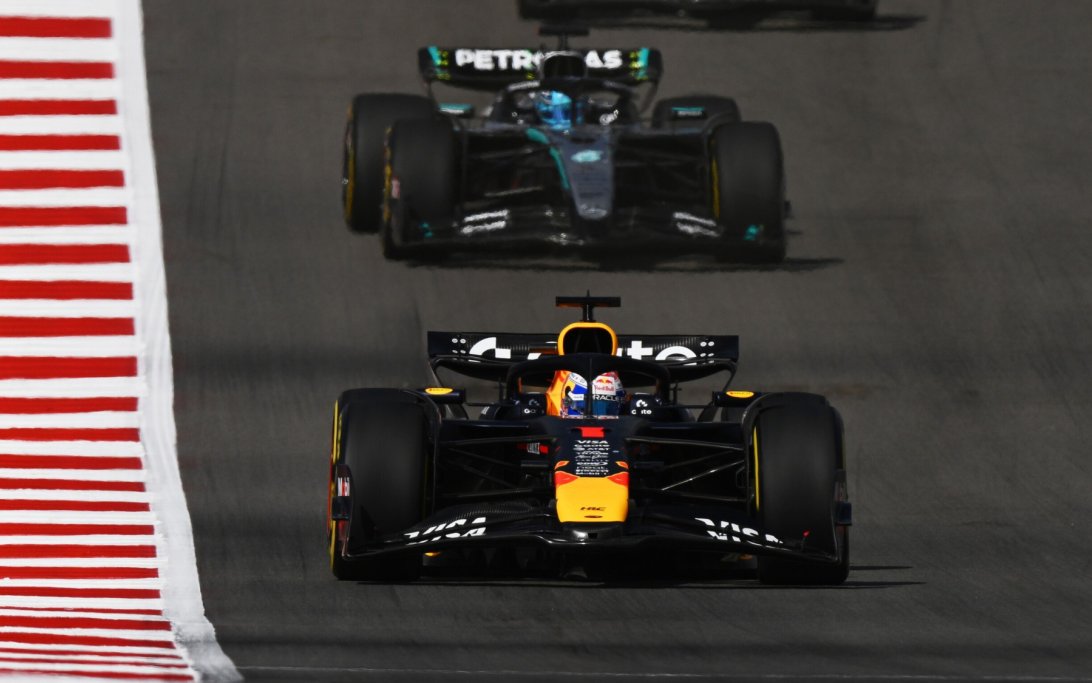
Red Bull and Mercedes at Center of 2026 Engine Loophole Controversy
Red Bull and Mercedes are accused of exploiting a loophole in the 2026 F1 engine regulations to maintain a higher compression ratio, potentially gaining a 15hp advantage. Rivals Honda, Audi, and Ferrari are demanding the FIA close the loophole, but logistical hurdles may force the governing body to allow it temporarily, setting the stage for technical protests and controversy at the season opener.
Red Bull and Mercedes are reportedly exploiting a regulatory loophole in the 2026 Formula 1 power unit regulations, focusing on compression ratios, which could grant them a significant early performance advantage and has sparked fierce opposition from rival manufacturers.
Why it matters:
The controversy strikes at the heart of F1's most significant technical overhaul in years. With the 2026 rules shifting to a 50/50 split between combustion and battery power, any early advantage could define the competitive order for the new era. This dispute tests the FIA's ability to maintain a level playing field during a period of massive regulatory change.
The details:
- The core issue involves the mandated compression ratio reduction from 18:1 in 2025 to 16:1 in 2026. Reports suggest Mercedes and Red Bull have found methods to maintain an effective ratio near 18:1 during actual running without technically violating the letter of the FIA's rules.
- The performance gain from this workaround is estimated to be substantial. Circuit analysis indicates a potential benefit of around 15 horsepower and a three-tenths of a second per lap advantage at a season-opening venue like Melbourne.
- The remaining power unit suppliers—Honda, Audi, and Ferrari—are demanding immediate regulatory intervention. They argue the loophole undermines the spirit and intent of the new regulations designed to reset the competitive landscape.
- This is not the only regulatory battle emerging. The FIA recently amended technical rules to prevent manipulation of the new fuel-flow meter, which switches from a mass flow to an energy flow limit, closing another potential loophole ahead of the sustainable fuel mandate.
The big picture:
The FIA faces a significant dilemma. Implementing a sudden regulation change with the Australian Grand Prix approaching and complex engine development cycles already locked in would create impossible production timelines for all manufacturers. This logistical reality means the governing body is likely to temporarily allow the contested interpretation, at least for the start of the season.
What's next:
If the alleged performance advantage materializes on track in Melbourne, expect immediate formal protests from rival teams, potentially triggering lengthy technical disputes. The 2026 season, set to begin with winter testing in Barcelona in late January, promises unprecedented unpredictability as teams navigate the comprehensive new rules. This controversy sets the stage for battles not only on the circuit but also in the stewards' room, defining the early phase of F1's new technical era.