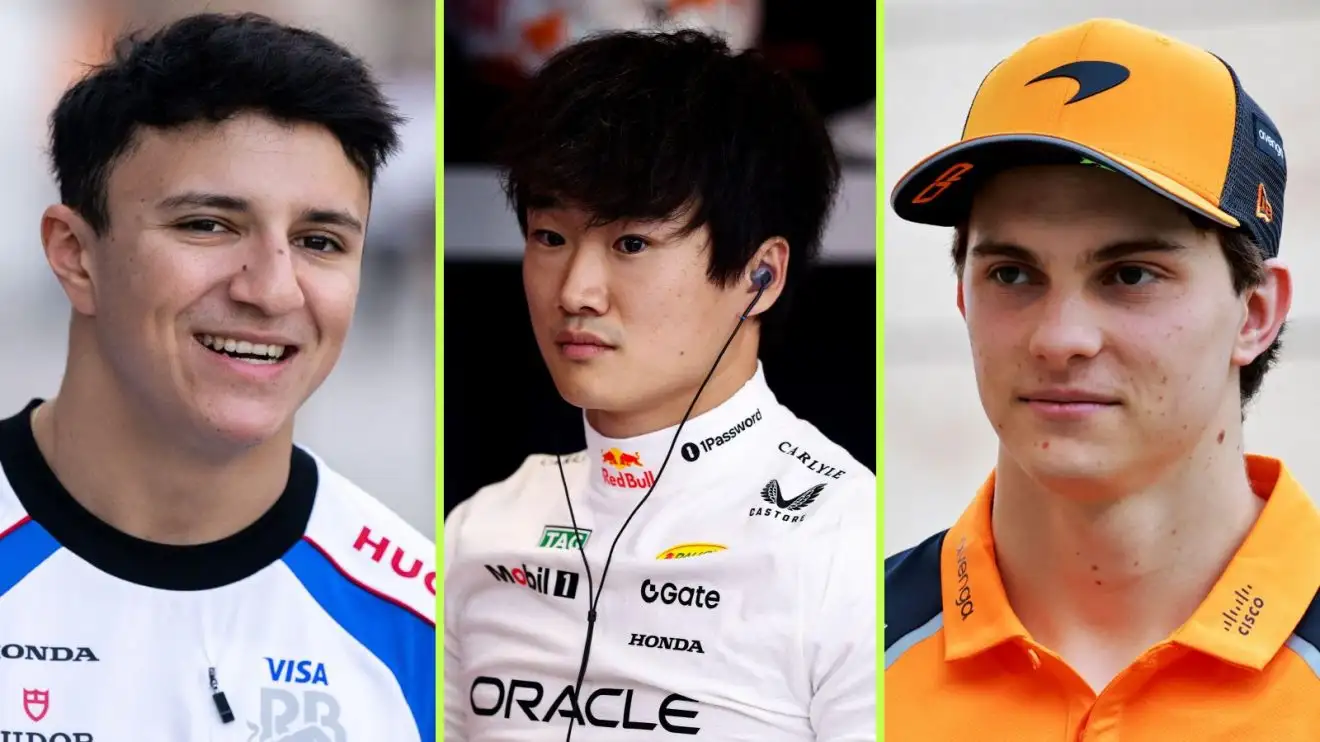
Red Bull Announces 2026 F1 Line-ups; Piastri to Miss Abu Dhabi FP1
Red Bull has announced its 2026 F1 driver line-ups, promoting Isack Hadjar to Red Bull Racing alongside Max Verstappen and partnering Liam Lawson with Arvid Lindblad at Racing Bulls, leaving Yuki Tsunoda without a full-time race seat. Meanwhile, Oscar Piastri will miss Abu Dhabi FP1 to accommodate a rookie session, potentially affecting his title decider preparations. These moves underscore Red Bull's strategy to integrate young talent from its academy, sparking significant debate about the future competitive landscape.
Red Bull has unveiled its driver line-ups for the 2026 Formula 1 season, making significant changes across both Red Bull Racing and Racing Bulls. Isack Hadjar will step up to partner Max Verstappen at Red Bull Racing, while Liam Lawson will remain with Racing Bulls, joined by rising teenage prospect Arvid Lindblad. These announcements have notable implications for Yuki Tsunoda, who will not have a full-time race seat.
Why it matters:
Red Bull's 2026 driver decisions represent a major reshuffle aimed at solidifying their long-term future in Formula 1. By promoting young talent, the team is signaling a clear strategy to nurture their academy drivers and integrate them into their F1 program. This move could reshape the competitive landscape, particularly for Red Bull Racing's top team and its junior outfit, Racing Bulls, as they prepare for the new engine regulations.
The Details:
- Red Bull Racing Line-up: Max Verstappen will be joined by Isack Hadjar for the 2026 season. Hadjar's promotion comes after a promising junior career, signaling Red Bull's confidence in his potential to perform alongside a multiple world champion.
- Racing Bulls Line-up: Liam Lawson retains his seat and will be partnered by Arvid Lindblad. Lindblad, an 18-year-old British driver, has been a standout in the Red Bull junior program and is tipped as a future star.
- Yuki Tsunoda's Role: Yuki Tsunoda will transition to a test and reserve driver role for Red Bull in 2026. This decision effectively removes him from a full-time F1 race seat, a significant setback for the Japanese driver who has been a consistent presence with the junior team.
- Oscar Piastri's FP1 Absence: Ahead of the 2026 announcements, Oscar Piastri is set to miss the first practice session of the Abu Dhabi Grand Prix. This is due to FIA regulations requiring teams to run rookie drivers in at least two FP1 sessions during the season. Pato O'Ward will take Piastri's seat for the hour-long session, potentially impacting Piastri's preparation for a crucial title decider weekend.
- Lindblad's Promise: Footage has resurfaced showing a young Arvid Lindblad telling Lando Norris to 'remember me' as he would 'see him in five years.' With his F1 call-up, Lindblad has delivered on that promise, adding an interesting narrative to his ascent.
The big picture:
Red Bull's strategic moves for 2026 highlight a clear commitment to their driver development pipeline. The promotion of Hadjar and Lindblad underscores their belief in nurturing talent from within their extensive junior program. While this offers stability and a clear path for their young drivers, it also raises questions about the future of drivers like Tsunoda, who have been integral to their junior team but now find themselves without a race seat. These decisions are critical as teams prepare for the significant rule changes expected in 2026, where strong driver pairings will be essential for adapting to new regulations and maximizing performance.
What's next:
The focus immediately shifts to the current season's finale in Abu Dhabi, where Piastri's FP1 absence could be a minor hurdle in his title pursuit. Looking further ahead, the driver market will continue to be a hot topic of debate, with discussions surrounding whether Red Bull made the right calls, especially regarding Tsunoda's future. The performances of Hadjar, Lindblad, and Lawson in the coming years will be closely scrutinized as Red Bull's long-term vision unfolds. The 2026 season, with its new technical regulations, will be the true test of these strategic line-up decisions.