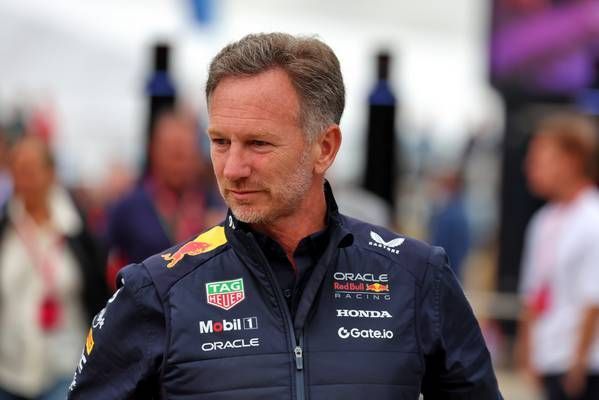
Red Bull's Mintzlaff details summer decision to dismiss Horner
Red Bull's Oliver Mintzlaff explains the summer decision to dismiss Christian Horner was a necessary step to "start a new chapter," despite honoring his historic success. The move coincides with Red Bull's crucial shift to developing its own power unit for 2026, a factor key to securing Max Verstappen's long-term future.
Red Bull chief Oliver Mintzlaff has provided new insight into the team's summer decision to part ways with Team Principal Christian Horner, framing it as a necessary step to turn the page despite Horner's historic success with the organization.
Why it matters:
The dismissal of a figure as central as Horner, who led Red Bull to multiple championships over two decades, signals a significant cultural and strategic shift within one of Formula 1's most dominant teams. Mintzlaff's comments reveal the internal calculus behind moving on from a successful legacy to forge a new chapter, a decision that will define Red Bull's post-Horner era.
The details:
In an interview, Mintzlaff clarified the rationale behind the summer move.
- He emphasized the decision was not taken lightly, acknowledging Horner's "great track record" and the success he brought to the team, which is appreciated by everyone in the company.
- However, he stated the organization felt it was time to "turn the page and start a new chapter," indicating a desire to move beyond relying on past achievements.
- Mintzlaff rejected the characterization of being a "hire and fire manager," but stood by the call as a necessary professional measure for the organization's future.
The big picture:
The Horner dismissal occurred against a backdrop of prolonged speculation about Max Verstappen's future, with strong links to Mercedes throughout the summer. While Verstappen has since confirmed he will stay with Red Bull for 2025, his long-term commitment is widely seen as contingent on the success of the team's next major project: the in-house developed RB22 and its new power unit for 2026, following the end of the Honda partnership. The leadership change and technical overhaul represent a pivotal, high-stakes transition for the team.
What's next:
All eyes are now on Red Bull's ability to navigate this dual transition—new leadership and new powertrain development—without losing its competitive edge. The performance of the RB22 and the stability of the team post-Horner will be critical factors in retaining top talent, most notably Verstappen, and defining Red Bull's competitive identity for the next era of Formula 1.